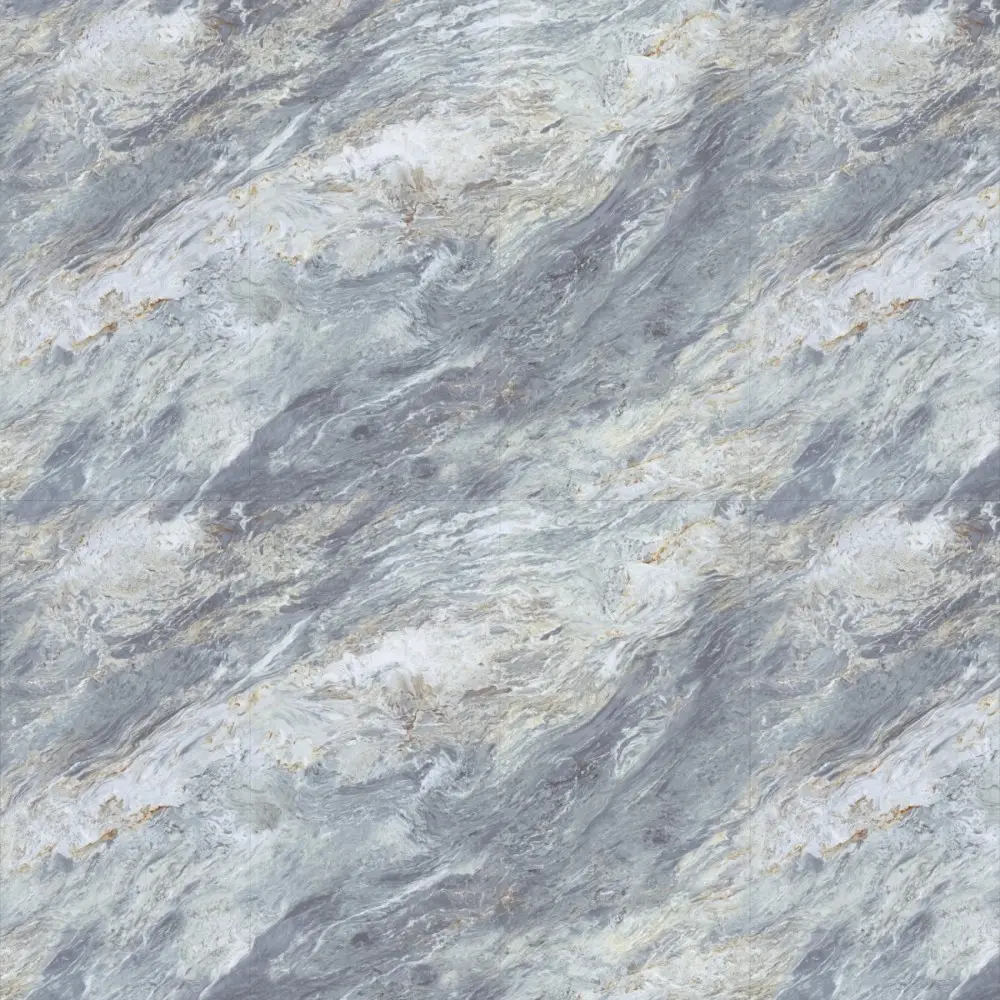
high quality bathroom tile
High quality bathroom tile represents the pinnacle of modern bathroom design and functionality, offering homeowners and designers an exceptional solution for creating stunning, durable, and practical bathroom spaces. These premium tiles combine advanced manufacturing techniques with superior materials to deliver products that exceed traditional expectations for performance and aesthetics. The main functions of high quality bathroom tile extend far beyond basic floor and wall covering, encompassing moisture protection, thermal regulation, slip resistance, and long-term structural integrity. These tiles serve as a comprehensive barrier system that protects underlying surfaces from water damage, humidity, and daily wear while maintaining their visual appeal for decades. Technologically, high quality bathroom tile incorporates cutting-edge features such as nano-surface treatments that repel water and stains, advanced ceramic compositions that resist cracking and chipping, and precision-engineered textures that provide optimal grip without compromising style. Many premium options feature antibacterial coatings that actively inhibit the growth of harmful microorganisms, contributing to healthier indoor environments. The manufacturing process utilizes high-temperature firing techniques and controlled porosity levels to create tiles with exceptional density and minimal water absorption rates. Applications for high quality bathroom tile span residential and commercial environments, from luxury home bathrooms and spa facilities to high-traffic public restrooms and hospitality venues. These versatile products adapt to various design styles, from contemporary minimalist aesthetics to traditional ornate patterns. Installation applications include shower enclosures, bathtub surrounds, flooring systems, accent walls, and decorative borders. The tiles work equally well in wet areas like steam rooms and dry zones such as powder rooms, demonstrating their adaptability across different moisture levels and usage patterns.
 EN
EN