EN
EN

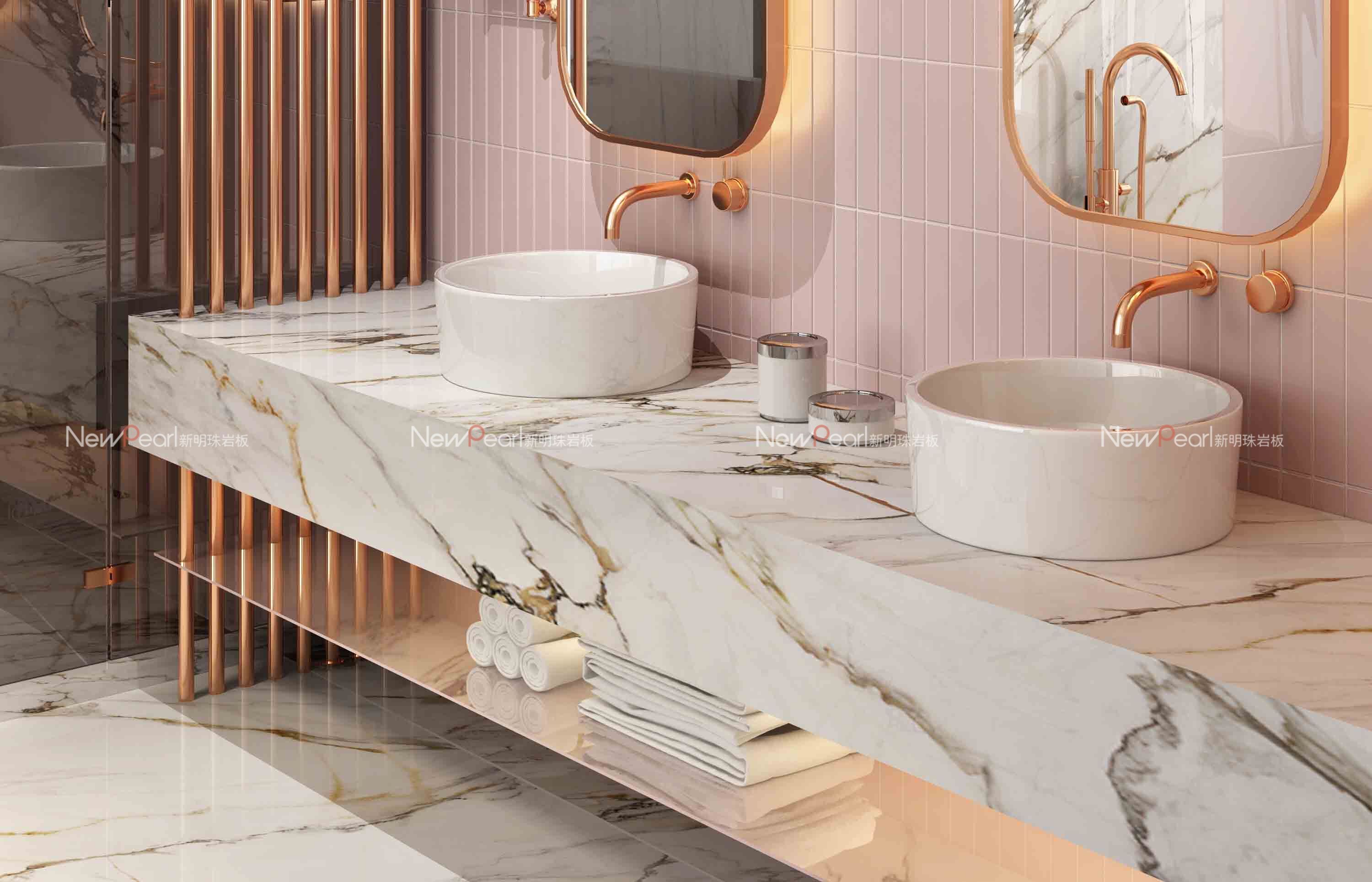
The question of whether porcelain countertops can truly resist knife damage has long concerned homeowners and commercial kitchen designers seeking durable surface solutions. Traditional porcelain countertops, while offering many advantages, have historically shown vulnerability to sharp implements and cutting tools. However, recent advances in glazing technology have fundamentally changed this equation, with specialized porcelain countertops now achieving Mohs 7 hardness ratings that provide genuine knife resistance while maintaining the aesthetic appeal and practical benefits that make porcelain a preferred choice for modern kitchen installations.
Understanding the relationship between hardness ratings and practical knife resistance requires examining the science behind advanced porcelain manufacturing processes. The Mohs scale measures mineral hardness from 1 to 10, with common kitchen knives typically ranging between 5.5 to 6.5 on this scale. When porcelain countertops achieve a Mohs 7 hardness rating through specialized glazing techniques, they surpass the hardness of most kitchen implements, creating a surface that maintains its integrity even under direct contact with sharp steel blades. This technological breakthrough represents a significant evolution in countertop materials, offering both the visual sophistication of porcelain and the practical durability demanded by high-performance kitchen environments.
The Science Behind Mohs 7 Hardness Glazing Technology
Understanding Mineral Hardness and Surface Protection
The Mohs hardness scale provides a standardized method for measuring a material's resistance to scratching and cutting damage. When porcelain countertops receive specialized glazing that achieves Mohs 7 hardness, they join the ranks of materials like quartz in terms of surface durability. This hardness level is achieved through the application of specific mineral compounds during the glazing process, creating a protective layer that bonds molecularly with the underlying porcelain substrate. The resulting surface combines the natural beauty of porcelain with enhanced resistance to daily wear patterns.
The glazing process involves precise temperature control and mineral composition management to ensure uniform hardness distribution across the entire countertop surface. Unlike surface coatings that can wear away over time, this hardness is integrated into the glaze structure itself, providing long-term protection that maintains its effectiveness throughout the countertop's lifespan. This advancement addresses one of the primary concerns that previously limited porcelain countertops in high-use kitchen applications where direct cutting and food preparation activities occur regularly.
Comparative Analysis with Traditional Kitchen Materials
When comparing Mohs 7 hardness porcelain countertops to other popular kitchen surfaces, the performance advantages become evident. Standard granite typically measures between 6 to 7 on the Mohs scale, while marble ranges from 3 to 4, making it significantly more vulnerable to knife damage. Engineered quartz surfaces generally achieve Mohs 7 hardness, placing advanced porcelain countertops in direct competition with this premium category while offering additional benefits in terms of design flexibility and manufacturing precision.
The knife resistance provided by Mohs 7 hardness glazing means that typical kitchen knives, which measure 5.5 to 6.5 on the hardness scale, cannot scratch or damage the surface under normal use conditions. This creates a practical advantage for busy kitchens where accidental direct cutting on the countertop surface might occur. However, this hardness also ensures that knives maintain their sharpness longer, as the hard surface does not dull blade edges through micro-abrasion the way softer materials might.
Practical Benefits of Knife-Resistant Porcelain Surfaces
Kitchen Performance and Durability Advantages
Porcelain countertops with Mohs 7 hardness glazing deliver exceptional performance in real-world kitchen applications. The knife-resistant surface eliminates the concern about accidental cutting damage, reducing maintenance requirements and extending the countertop's aesthetic lifespan. This durability particularly benefits commercial kitchen environments and busy residential kitchens where food preparation intensity demands surfaces that can withstand intensive daily use without showing wear patterns or damage accumulation over time.
The practical implications extend beyond knife resistance to include resistance to other forms of mechanical damage. Sharp utensils, heavy cookware impacts, and the sliding of appliances across the surface become less concerning when porcelain countertops achieve this level of hardness. This comprehensive durability makes them suitable for applications where other materials might require protective measures or frequent maintenance interventions to maintain their appearance and functionality.
Maintenance and Long-Term Performance
The enhanced hardness of these advanced porcelain countertops significantly reduces maintenance requirements compared to softer materials. The non-porous nature of porcelain, combined with the hard glazed surface, creates a countertop that resists staining, bacterial growth, and etching from acidic substances. This combination of properties makes daily cleaning more straightforward while ensuring that the surface maintains its original appearance even after years of intensive use in demanding kitchen environments.
Long-term performance benefits include resistance to thermal cycling damage, which can affect other hard materials when exposed to temperature variations common in kitchen environments. The thermal expansion characteristics of porcelain, combined with the durable glazed surface, create a stable platform that maintains dimensional integrity and surface quality regardless of the hot pots, cold items, and temperature fluctuations that characterize normal kitchen operations.
Design Flexibility and Aesthetic Considerations
Visual Appeal and Pattern Options
Advanced porcelain countertops with enhanced hardness do not compromise on aesthetic versatility. The glazing process that achieves Mohs 7 hardness can accommodate a wide range of colors, patterns, and surface textures, allowing designers to specify these durable surfaces for projects requiring specific visual characteristics. This flexibility includes the ability to replicate natural stone patterns, achieve solid contemporary colors, or create custom designs that align with specific architectural or interior design requirements.
The manufacturing precision possible with porcelain allows for consistent pattern matching and color uniformity across large installations, addressing challenges that can occur with natural materials where variations might affect the overall visual impact. This consistency, combined with the practical benefits of knife resistance, makes these porcelain countertops suitable for both residential and commercial applications where design quality and performance durability must coexist effectively.
Installation and Integration Considerations
The installation process for knife-resistant porcelain countertops requires specific considerations related to the material's hardness and precision manufacturing tolerances. Professional installation ensures proper support structures that accommodate the material's characteristics while maintaining the structural integrity necessary for long-term performance. The hard surface also influences edge treatment options and fabrication techniques, requiring specialized tools and expertise to achieve precise cuts and finished edges that complement the overall installation quality.
Integration with kitchen appliances and fixtures benefits from the dimensional stability and hardness of these advanced porcelain surfaces. The material's resistance to thermal expansion and contraction helps maintain tight tolerances around integrated sinks, cooktops, and other built-in elements, reducing the likelihood of gap formation or alignment issues that can affect both functionality and appearance over time.
Commercial and Residential Applications
High-Performance Kitchen Environments
Commercial kitchen applications particularly benefit from the knife resistance and durability of Mohs 7 hardness porcelain countertops. Restaurant kitchens, institutional food service facilities, and commercial food preparation areas require surfaces that can withstand intensive daily use while maintaining hygiene standards and visual appeal. The combination of knife resistance, non-porous surface characteristics, and easy cleaning makes these porcelain countertops ideal for environments where food safety regulations and operational efficiency demands intersect.
The economic advantages in commercial applications include reduced replacement costs and minimized downtime for repairs or refinishing. When porcelain countertops can resist the cutting damage that commonly affects other materials in commercial kitchen environments, the total cost of ownership decreases significantly. This durability also supports consistent food preparation operations without concerns about surface degradation affecting food quality or presentation standards that are crucial in professional kitchen environments.
Residential Kitchen Integration
Residential applications benefit from the peace of mind that comes with knife-resistant porcelain countertops, particularly in households where cooking activities are frequent and varied. Families with active cooking routines appreciate surfaces that can handle the occasional direct cutting incident without permanent damage. This practical benefit combines with the aesthetic appeal of porcelain to create countertops that serve both functional and design objectives in modern home kitchens.
The investment value of knife-resistant porcelain countertops in residential settings relates to their longevity and maintained appearance over time. Unlike materials that show wear patterns or require periodic refinishing, these durable porcelain surfaces maintain their original quality and appearance throughout their service life. This characteristic makes them particularly attractive for homeowners who view their kitchen renovation as a long-term investment in both property value and daily living quality.
FAQ
How does Mohs 7 hardness compare to typical kitchen knife hardness?
Most kitchen knives measure between 5.5 to 6.5 on the Mohs hardness scale, making them softer than porcelain countertops with Mohs 7 hardness glazing. This hardness differential means that normal kitchen knives cannot scratch or damage the countertop surface, while the knife edges may actually stay sharper longer due to the hard, smooth surface that does not cause micro-abrasion during contact.
Will the knife resistance decrease over time with regular use?
The Mohs 7 hardness rating is achieved through glazing that becomes an integral part of the porcelain surface structure, not a coating that can wear away. This means the knife resistance remains consistent throughout the countertop's lifespan under normal use conditions. The molecular bonding between the hardened glaze and porcelain substrate ensures long-term durability that does not diminish with cleaning, temperature changes, or daily kitchen activities.
Can these porcelain countertops handle other sharp implements besides knives?
Yes, the Mohs 7 hardness provides resistance to various sharp kitchen implements including can openers, corkscrews, and kitchen shears. However, it is important to note that while the surface resists damage from typical kitchen tools, extremely hard materials like diamond-tipped tools or carbide implements could still potentially cause damage due to their higher hardness ratings.
Do knife-resistant porcelain countertops require special cleaning products?
No special cleaning products are required for porcelain countertops with enhanced hardness glazing. Standard household cleaners, mild detergents, and even gentle abrasive cleaners can be used safely without affecting the surface hardness or appearance. The non-porous nature of the glazed surface actually makes cleaning easier and more effective than many other countertop materials, requiring only routine wiping and occasional deeper cleaning to maintain optimal appearance and hygiene.