EN
EN

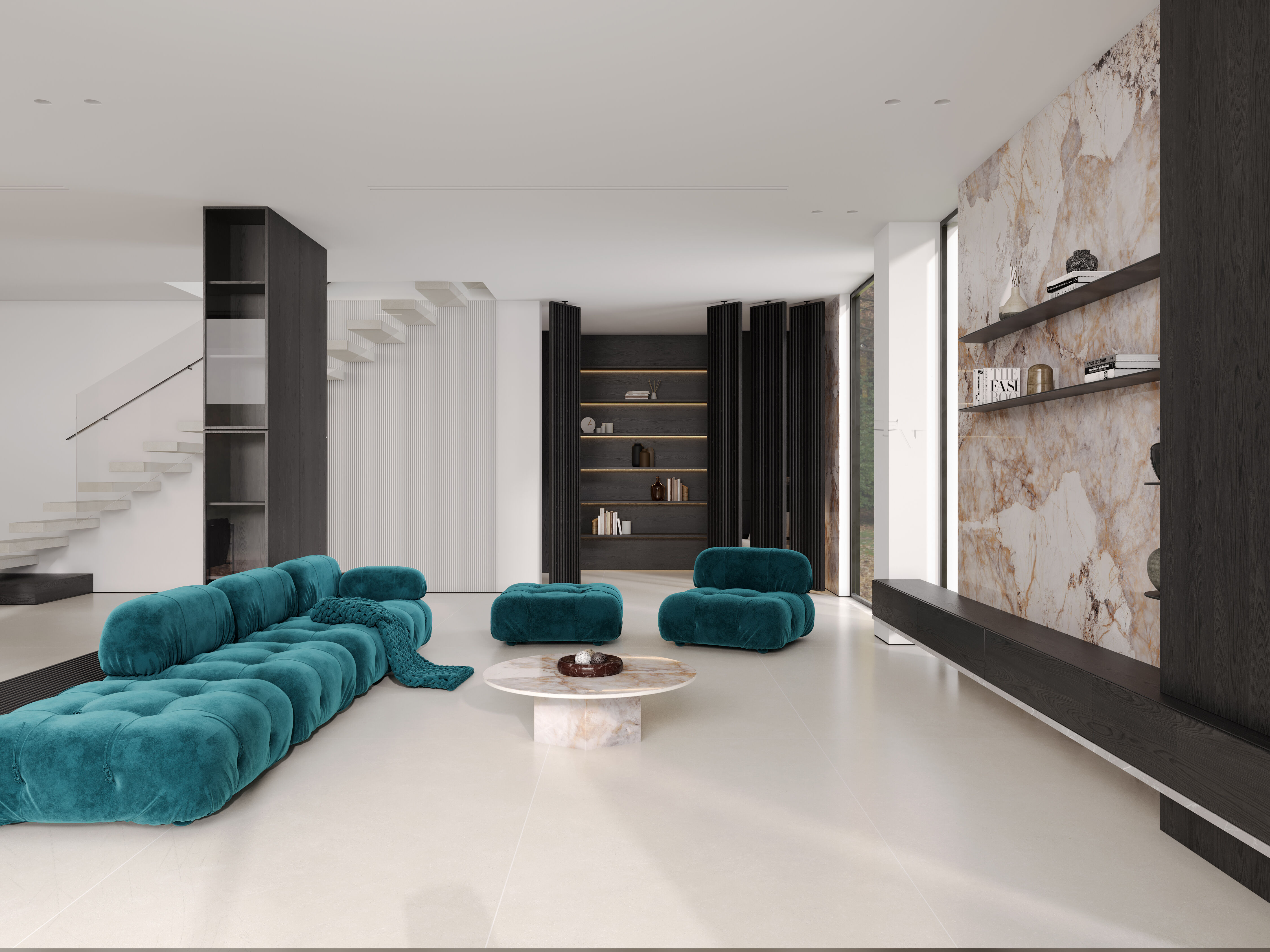
Interior design today demands materials that deliver both stunning visual impact and practical performance, which is why designers increasingly turn to sintered stone as their material of choice for creating sophisticated spaces. This revolutionary material transforms any environment when paired with strategic lighting design, creating an instant elevation in elegance that captivates clients and end users alike. The designer's formula for achieving this transformation lies in understanding how sintered stone interacts with different lighting techniques to produce breathtaking results.

Professional designers who master this pairing technique consistently deliver spaces that exceed client expectations, combining the technical advantages of sintered stone with lighting's transformative power. The synergy between these elements creates depth, drama, and visual interest that traditional materials simply cannot match. Understanding this formula enables designers to specify materials and lighting schemes that work harmoniously together, resulting in spaces that feel both luxurious and thoughtfully crafted.
Understanding Sintered Stone's Unique Light-Interactive Properties
Surface Characteristics That Enhance Light Reflection
Sintered stone possesses distinctive surface properties that make it exceptionally responsive to lighting design, with its controlled porosity and consistent texture creating uniform light reflection patterns. The material's manufacturing process results in a surface that can range from matte to high gloss, each finish interacting differently with both natural and artificial light sources. Designers who understand these characteristics can specify the appropriate sintered stone finish to achieve their desired lighting effect.
The dense composition of sintered stone eliminates the irregular surface variations found in natural materials, ensuring consistent light behavior across large installations. This predictability allows designers to calculate lighting requirements accurately and achieve uniform illumination without the hotspots or dead zones common with other materials. The material's ability to maintain its surface integrity under various lighting conditions makes it ideal for applications where lighting intensity may vary throughout the day.
Color and Pattern Response to Illumination
Different sintered stone patterns and colors respond uniquely to lighting, with some designs becoming more pronounced under directional lighting while others achieve subtle elegance through diffused illumination. Veined patterns in sintered stone can be dramatically highlighted or softly suggested depending on the lighting angle and intensity chosen by the designer. The material's consistent coloration ensures that these effects remain stable over time, unlike natural stones that may fade or discolor under prolonged light exposure.
The color temperature of lighting significantly impacts how sintered stone appears, with warm lighting enhancing earth tones and cool lighting bringing out contemporary grays and whites. Designers can use this responsiveness to create different moods within the same space by adjusting lighting throughout the day. The material's ability to showcase subtle color variations under different lighting conditions provides designers with multiple design personalities within a single material specification.
Strategic Lighting Techniques for Maximum Impact
Directional Lighting for Dramatic Effect
Directional lighting techniques transform sintered stone surfaces into focal points that command attention while maintaining sophisticated elegance throughout the space. Track lighting, spotlights, and linear LED strips positioned at specific angles can create striking visual effects on sintered stone walls, countertops, and feature installations. The key lies in understanding how the angle of incidence affects the material's appearance, with grazing angles creating texture emphasis while direct illumination showcases color depth.
Professional designers often employ a combination of directional lighting sources to create layered effects on sintered stone surfaces, using primary lights for general illumination and accent lights for highlighting specific features or patterns. This approach prevents the flat appearance that can result from single-source lighting while maintaining the material's inherent elegance. The positioning of directional lights must consider both the desired visual effect and practical requirements such as task lighting and general illumination needs.
Ambient Lighting for Subtle Sophistication
Ambient lighting techniques create a foundation of gentle illumination that allows sintered stone to display its natural beauty without overwhelming the space with dramatic effects. Recessed ceiling lights, cove lighting, and indirect lighting sources provide the base level illumination that makes sintered stone installations feel integrated rather than imposed within the overall design scheme. This approach works particularly well in residential settings where comfort and livability are as important as visual impact.
The uniform light distribution achieved through ambient lighting showcases the consistent quality of sintered stone while creating a sense of spaciousness and calm. Designers often use this technique in conjunction with natural lighting to create seamless transitions between day and evening lighting scenarios. The material's ability to reflect ambient light evenly helps reduce the number of light fixtures required, creating cleaner architectural lines while maintaining adequate illumination levels.
Application Strategies for Different Design Contexts
Residential Applications and Intimate Spaces
In residential settings, the pairing of sintered stone with carefully planned lighting creates intimate yet elegant environments that feel both luxurious and livable. Kitchen islands clad in sintered stone benefit from a combination of pendant lighting for task illumination and under-cabinet lighting for ambient glow, creating functional workspace that doubles as an entertainment focal point. The material's resistance to heat and staining makes it ideal for these high-use areas where lighting must serve both aesthetic and practical purposes.
Bathroom applications of sintered stone paired with strategic lighting create spa-like experiences that transform daily routines into moments of luxury. Backlit vanity mirrors combined with sintered stone surfaces create even, flattering illumination while the material's water resistance ensures long-term performance. Designers often specify warm color temperatures in these spaces to enhance the comfort factor while maintaining the sophisticated appearance that sintered stone provides.
Commercial and Hospitality Environments
Commercial applications demand lighting and material combinations that create immediate visual impact while withstanding high traffic and intensive use conditions. Sintered stone paired with dynamic lighting systems in hotel lobbies, restaurants, and retail spaces creates memorable experiences that enhance brand identity and customer engagement. The material's durability ensures that these installations maintain their appearance despite heavy use, while lighting flexibility allows for mood changes throughout different operational periods.
Hospitality designers particularly value sintered stone's ability to appear different under various lighting conditions, allowing the same space to transition from energetic daytime environment to intimate evening setting through lighting adjustments alone. The material's non-porous surface prevents staining and odor absorption, maintaining a fresh appearance that supports the hygiene standards essential in food service and accommodation environments. This combination of aesthetic flexibility and practical performance makes sintered stone an ideal choice for spaces that must function effectively around the clock.
Technical Considerations for Optimal Results
Light Source Selection and Color Temperature
The selection of appropriate light sources significantly impacts how sintered stone performs within the overall design scheme, with LED technology offering the precise control necessary for achieving optimal results. Color temperature selection ranges from warm 2700K for intimate residential settings to cool 4000K for commercial applications, with each choice affecting how the material's colors and patterns appear. Designers must consider both the immediate visual impact and long-term performance when specifying lighting for sintered stone installations.
High-quality LED sources provide the consistent output necessary to maintain uniform appearance across large sintered stone surfaces while offering energy efficiency that supports sustainable design goals. The ability to control light intensity through dimming systems allows designers to create multiple lighting scenarios within the same space, maximizing the versatility of sintered stone installations. Color rendering index considerations ensure that the material's true colors are accurately represented under artificial lighting conditions.
Installation Planning and Electrical Coordination
Successful integration of sintered stone and lighting requires careful coordination between electrical and installation teams to ensure that lighting infrastructure supports the desired design outcomes. Pre-planning of electrical rough-in work must accommodate both current lighting requirements and potential future modifications, particularly in commercial settings where operational needs may evolve. The timing of sintered stone installation relative to electrical work affects both the feasibility and cost of achieving optimal lighting integration.
Designers must specify appropriate electrical load requirements for lighting systems while ensuring that heat generation from light sources does not adversely affect sintered stone performance. While sintered stone can withstand significant temperature variations, proper spacing between light sources and material surfaces ensures optimal longevity for both elements. The integration of smart lighting controls requires additional electrical infrastructure that must be coordinated with sintered stone installation schedules to avoid conflicts and delays.
FAQ
What makes sintered stone particularly well-suited for lighting integration compared to natural stone?
Sintered stone offers superior consistency in surface texture, color, and light reflection properties compared to natural stone, eliminating the variations that can create uneven lighting effects. Its manufacturing process produces uniform density and porosity, ensuring predictable light interaction across entire installations. Additionally, sintered stone maintains its appearance and performance under various lighting conditions without the fading, discoloration, or thermal sensitivity issues that can affect natural materials over time.
How do I determine the right lighting intensity for different sintered stone finishes?
The optimal lighting intensity depends on the specific finish and application context, with polished surfaces requiring less intense lighting due to their higher reflectivity, while matte finishes may need stronger illumination to achieve the desired visual impact. Generally, ambient lighting should provide 20-30 foot-candles for residential applications and 30-50 foot-candles for commercial spaces, with accent lighting adding 3-5 times the ambient level for dramatic effect. Testing with sample pieces under proposed lighting conditions helps determine the ideal intensity before final specification.
Can sintered stone installations include integrated lighting elements like LED strips or fiber optics?
Yes, sintered stone can accommodate integrated lighting elements when properly planned during the design phase, with LED strips often incorporated behind translucent or thinner sections to create backlighting effects. Fiber optic integration is possible in custom fabrication scenarios where the material thickness and installation method allow for discrete cable routing. These integrated approaches require close coordination between lighting designers, fabricators, and installers to ensure both aesthetic success and long-term reliability of the installation.
How does the pairing of sintered stone with lighting affect maintenance requirements and long-term performance?
The combination of sintered stone with quality lighting systems actually reduces overall maintenance requirements, as the material's non-porous surface resists staining and does not require periodic sealing like natural stone. LED lighting systems paired with sintered stone installations can operate for years without replacement, while the material maintains its appearance without degradation from light exposure. Regular cleaning involves simple wiping with appropriate cleaners, and lighting maintenance typically involves only occasional fixture cleaning and eventual LED replacement after many years of service.
Table of Contents
- Understanding Sintered Stone's Unique Light-Interactive Properties
- Strategic Lighting Techniques for Maximum Impact
- Application Strategies for Different Design Contexts
- Technical Considerations for Optimal Results
-
FAQ
- What makes sintered stone particularly well-suited for lighting integration compared to natural stone?
- How do I determine the right lighting intensity for different sintered stone finishes?
- Can sintered stone installations include integrated lighting elements like LED strips or fiber optics?
- How does the pairing of sintered stone with lighting affect maintenance requirements and long-term performance?