EN
EN

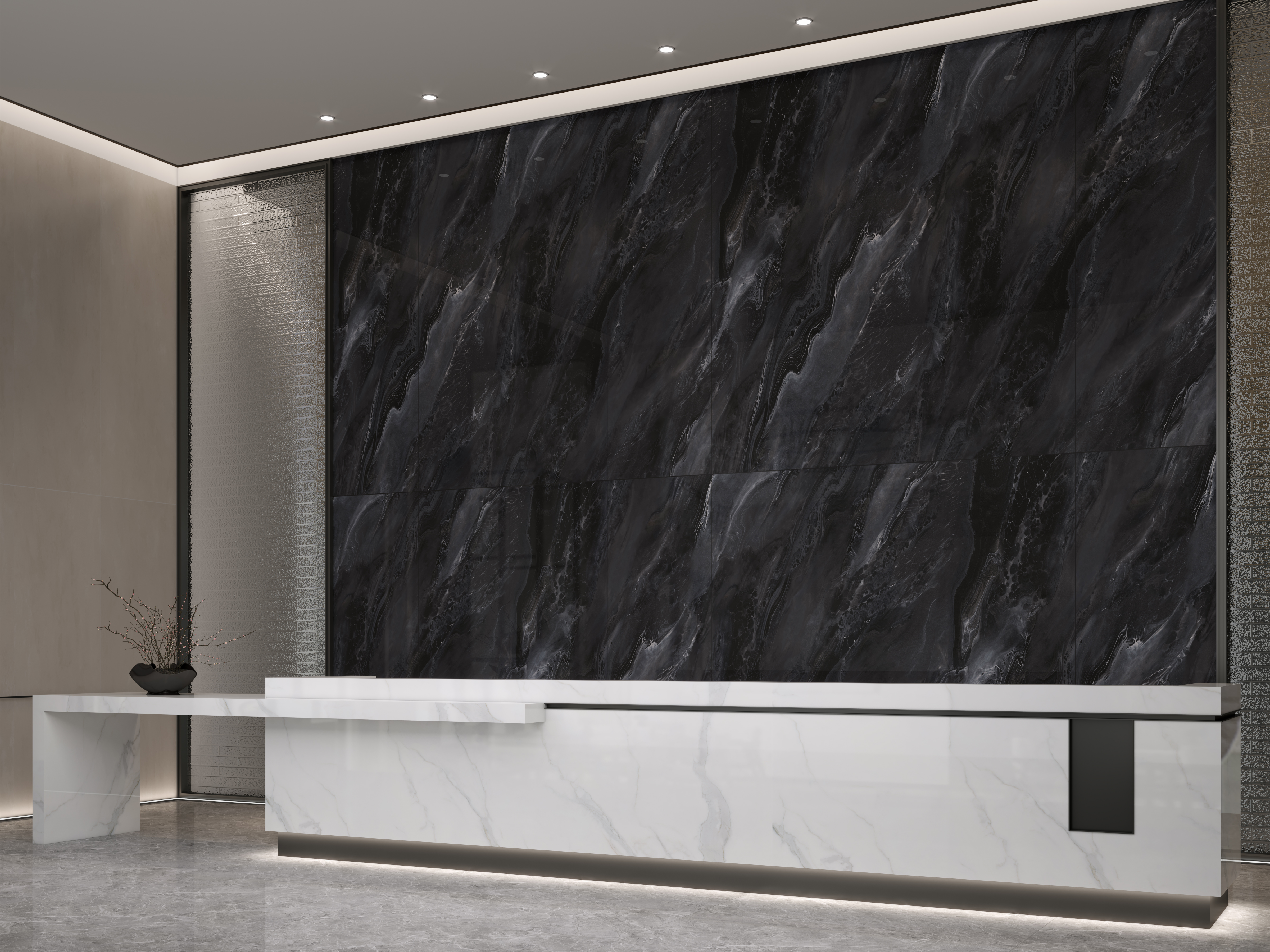
Public spaces demand careful consideration of every design element, but none more critical than flooring safety. When specifying matt tiles for high-traffic areas such as shopping centers, hospitals, airports, and government buildings, slip resistance ratings serve as the fundamental metric that determines whether your project meets both safety regulations and liability protection standards. These ratings directly impact occupant safety, insurance coverage, and long-term maintenance costs, making them an essential factor in procurement decisions.

Understanding slip resistance ratings becomes even more crucial when dealing with matt finish tiles, which present unique surface texture characteristics that affect traction performance. Unlike glossy surfaces that may appear obviously slippery, matt tiles can vary dramatically in their slip resistance properties despite similar visual appearances. This complexity requires facility managers, architects, and procurement specialists to move beyond aesthetic preferences and prioritize measurable safety performance data when making sourcing decisions for public applications.
Understanding Slip Resistance Rating Systems and Their Critical Role
The Science Behind Slip Resistance Measurements
Slip resistance ratings quantify the coefficient of friction between footwear and flooring surfaces under controlled testing conditions. These measurements determine how much grip a surface provides when subjected to various moisture levels, contaminants, and foot traffic patterns typical in public environments. For matt tiles specifically, the surface texture created during manufacturing directly influences these friction coefficients, making standardized testing essential for accurate performance prediction.
The most widely recognized testing methods include the ASTM C1028 standard, which uses a horizontal dynamometer to measure static coefficient of friction, and the pendulum test method outlined in ASTM C1028. These slip resistance ratings provide numerical values that architects and specifiers can use to match tile performance with specific environmental conditions and safety requirements in public spaces.
International Standards and Regulatory Compliance
Different regions maintain varying slip resistance standards, creating complexity for international projects or facilities operating across multiple jurisdictions. The Americans with Disabilities Act (ADA) requires minimum slip resistance ratings for accessible routes, while European standards focus on different classification systems such as the R-rating scale. Understanding these regulatory frameworks ensures that matt tile selections meet local building codes and accessibility requirements.
Compliance with slip resistance ratings also affects insurance coverage and liability exposure for public space operators. Insurance carriers increasingly scrutinize flooring specifications during risk assessments, often requiring documented slip resistance performance data before providing coverage. This regulatory landscape makes slip resistance ratings a business-critical factor rather than merely a technical specification.
Matt Tile Surface Characteristics and Rating Impact
Matt finish tiles achieve their non-reflective appearance through surface texturing processes that create microscopic irregularities affecting friction performance. These surface variations can enhance or reduce slip resistance depending on the manufacturing technique, texture depth, and pattern distribution. Pressed matt tiles often exhibit different slip resistance characteristics compared to glazed matt surfaces, requiring careful evaluation of rating data specific to the production method.
The relationship between visual appearance and actual slip resistance performance in matt tiles often surprises specifiers. Tiles that appear similarly textured can produce significantly different friction coefficients, emphasizing the importance of relying on laboratory-tested slip resistance ratings rather than visual assessment alone when sourcing for public applications.
Critical Applications Where Slip Resistance Ratings Determine Safety Outcomes
Healthcare Facilities and Patient Safety Requirements
Hospitals, clinics, and medical centers present unique challenges for matt tile selection due to frequent exposure to bodily fluids, cleaning chemicals, and the presence of individuals with mobility limitations. Slip resistance ratings in these environments must account for wet conditions, chemical contamination, and the increased vulnerability of patients using assistive devices. Medical facility flooring failures can result in serious injuries and substantial liability exposure.
Emergency departments, surgical suites, and patient corridors require matt tiles with slip resistance ratings that maintain performance under multiple contamination scenarios. The Joint Commission on Accreditation of Healthcare Organizations emphasizes environmental safety standards that directly reference slip resistance requirements, making these ratings a compliance necessity rather than a design preference.
Educational Institutions and Student Safety Considerations
Schools, universities, and daycare facilities experience intense foot traffic combined with frequent spills and outdoor moisture tracked into buildings. Matt tiles in these applications must maintain consistent slip resistance ratings throughout daily cleaning cycles and seasonal weather variations. The presence of children and young adults, who may engage in running or sudden directional changes, amplifies the importance of reliable traction performance.
Cafeterias, gymnasiums, and entrance areas represent particularly challenging environments where slip resistance ratings must account for food spills, athletic activities, and wet weather conditions. Legal liability for educational institutions has increased significantly in recent years, making documented slip resistance performance essential for risk management and insurance compliance.
Commercial Retail and Customer Protection
Shopping centers, grocery stores, and retail establishments balance aesthetic appeal with customer safety requirements when selecting matt tiles. These environments experience diverse contamination sources including food spills, tracked moisture, and cleaning product residues that can dramatically affect surface traction. Slip resistance ratings provide the quantitative data necessary to ensure customer safety while maintaining the desired visual appearance.
Customer injury claims in retail environments often focus on inadequate slip resistance performance, making proper tile selection a crucial component of loss prevention strategies. Retailers increasingly require slip resistance ratings that exceed minimum code requirements to provide additional safety margins and reduce liability exposure.
Economic Impact and Long-Term Cost Considerations
Insurance and Liability Cost Relationships
Property insurance premiums and liability coverage costs directly correlate with documented slip resistance ratings in many commercial insurance policies. Insurers recognize that flooring with verified slip resistance performance reduces claim frequency and severity, often resulting in premium discounts for facilities that can demonstrate compliant tile specifications. This economic incentive makes slip resistance ratings a quantifiable return on investment rather than merely a safety expense.
Litigation costs associated with slip-and-fall incidents can exceed hundreds of thousands of dollars per incident when inadequate slip resistance ratings contribute to accidents. Legal discovery processes increasingly examine flooring specifications and testing documentation, making proper slip resistance rating verification essential for defending against liability claims. The cost difference between standard and high-performance slip-resistant matt tiles often represents a fraction of potential legal exposure.
Maintenance and Replacement Cost Factors
Matt tiles with appropriate slip resistance ratings often demonstrate superior durability under heavy foot traffic and frequent cleaning regimens common in public spaces. The surface texturing that provides slip resistance can also improve wear characteristics and reduce the appearance of scratches and scuffs that necessitate premature replacement. This correlation between slip resistance ratings and longevity creates additional economic value beyond initial safety considerations.
Maintenance protocols for preserving slip resistance ratings require specific cleaning products and techniques that may affect operational costs. However, the investment in proper maintenance typically costs significantly less than addressing safety incidents or replacing flooring systems that fail to meet performance requirements. Facilities that prioritize slip resistance ratings often report reduced maintenance complaints and longer replacement cycles.
Sourcing Strategies and Supplier Evaluation Criteria
Verification and Testing Documentation Requirements
Procuring matt tiles with reliable slip resistance ratings requires comprehensive testing documentation from manufacturers or third-party testing laboratories. Suppliers should provide test reports that specify testing methods, environmental conditions, and numerical results for both dry and wet surface conditions. This documentation becomes crucial for regulatory compliance verification and insurance requirement satisfaction.
Quality suppliers maintain batch testing records that demonstrate consistent slip resistance ratings across production runs, as manufacturing variations can affect surface texture and friction performance. Procurement specifications should require statistical data showing rating consistency and acceptable tolerance ranges to ensure delivered products meet project requirements throughout the installation.
Supplier Quality Assurance and Certification Programs
Leading matt tile manufacturers implement quality management systems that monitor slip resistance ratings throughout production processes. These systems include regular testing protocols, surface texture analysis, and corrective action procedures that maintain consistent performance characteristics. Suppliers with ISO certification and dedicated slip resistance testing capabilities typically provide more reliable rating documentation and product consistency.
International suppliers may require additional verification of slip resistance ratings to ensure compatibility with local standards and testing methods. Cultural and regulatory differences in slip resistance evaluation can create specification misalignments that compromise project safety requirements. Establishing clear communication protocols and testing standard references prevents costly specification errors during sourcing activities.
Sample Testing and Performance Validation
Comprehensive matt tile sourcing includes sample testing programs that validate slip resistance ratings under project-specific conditions. Laboratory testing of samples using identical methods and criteria ensures that delivered products will perform as specified in actual installation environments. This validation process provides additional confidence in supplier claims and reduces performance risk in critical public applications.
Field testing capabilities allow for slip resistance rating verification after installation but before facility occupancy. These tests confirm that installation procedures, substrate conditions, and environmental factors have not compromised the specified slip resistance performance. Early detection of rating deficiencies enables corrective action before public safety exposure occurs.
FAQ
What slip resistance rating is required for public spaces with matt tiles?
Public spaces typically require slip resistance ratings with a coefficient of friction of 0.6 or higher for dry conditions and 0.42 or higher for wet conditions, as specified by ADA guidelines. However, specific requirements vary by jurisdiction and application type, with healthcare and educational facilities often requiring higher ratings. Always consult local building codes and accessibility standards for precise requirements applicable to your project location and intended use.
How do slip resistance ratings change over time with normal wear?
Slip resistance ratings can either improve or degrade over time depending on the matt tile surface characteristics and maintenance practices. Textured surfaces may experience initial improvement as foot traffic removes manufacturing residues, but extended wear can reduce surface texture depth and lower friction coefficients. Regular testing and maintenance protocols help preserve slip resistance performance throughout the tile lifecycle, typically requiring assessment every 2-3 years in high-traffic public applications.
Can cleaning products affect slip resistance ratings on matt tiles?
Yes, cleaning products significantly impact slip resistance ratings on matt tiles through residue buildup, chemical reactions with surface materials, and alteration of surface texture characteristics. Acidic cleaners can etch certain tile surfaces and potentially improve slip resistance, while wax-based products typically reduce friction coefficients. Facility managers should use cleaning products specifically approved for maintaining slip resistance performance and conduct periodic testing to verify rating preservation.
Are there different slip resistance rating standards for international projects?
International projects encounter varying slip resistance rating standards including European R-ratings, Australian classifications, and regional building code requirements that differ from US standards. These differences affect testing methods, numerical thresholds, and compliance documentation requirements. Project specifications should clearly identify applicable standards and require supplier testing using the relevant international protocols to ensure regulatory compliance and performance consistency across global installations.