EN
EN

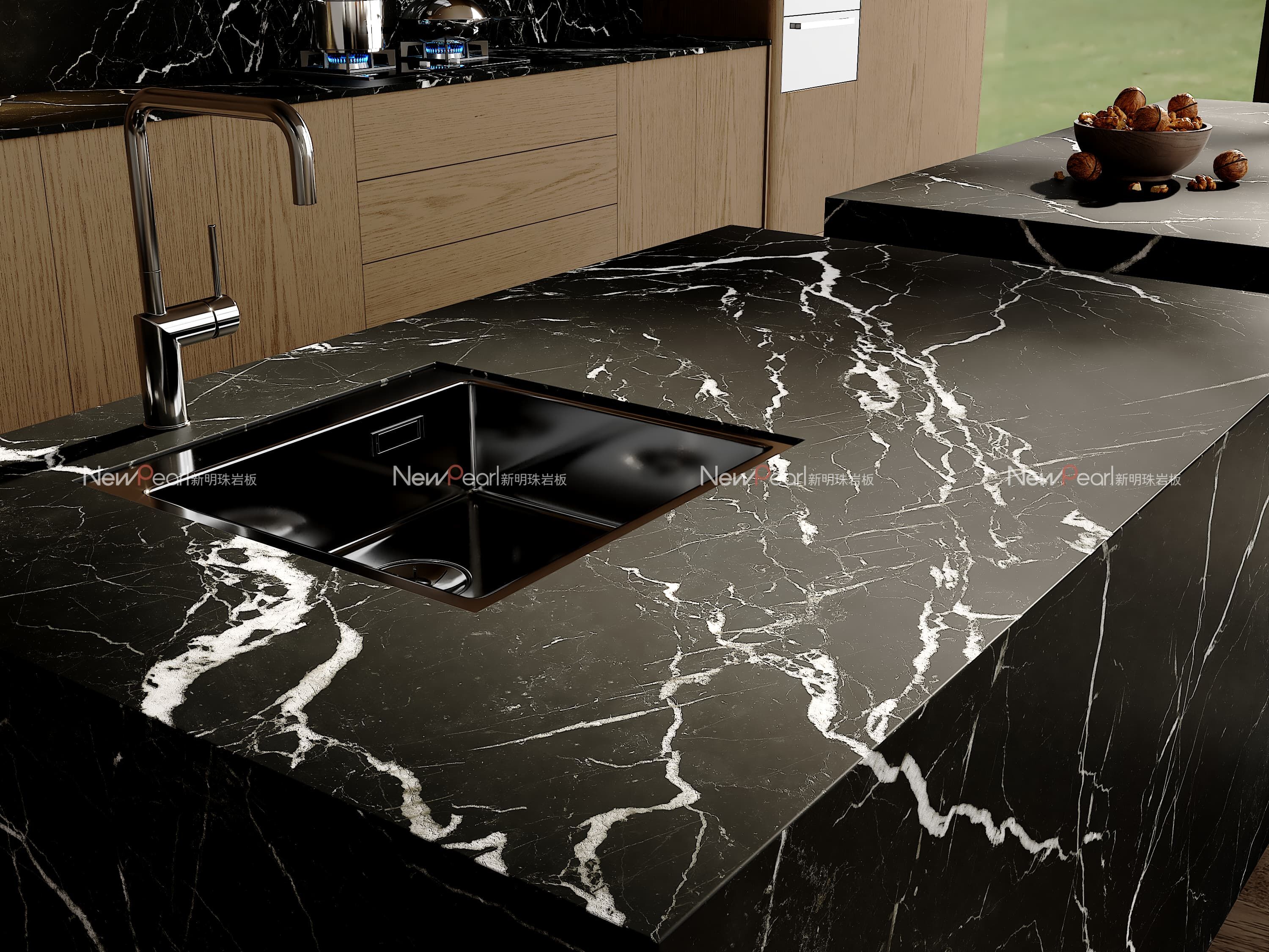
Modern kitchen design increasingly emphasizes both aesthetic appeal and structural integrity, with marble slabs emerging as the premier choice for discerning homeowners and commercial establishments. The natural stone's exceptional durability combined with its timeless elegance creates a foundation that withstands daily use while maintaining sophisticated visual appeal. Professional architects and interior designers consistently recommend marble slabs for their superior performance characteristics and ability to enhance property values significantly.

The installation of marble slabs transforms ordinary kitchen spaces into luxurious culinary environments that serve both functional and aesthetic purposes. These natural stone surfaces provide unmatched heat resistance, making them ideal for busy kitchens where hot cookware frequently contacts countertop surfaces. The inherent strength of marble slabs ensures longevity that surpasses synthetic alternatives, creating long-term value propositions for residential and commercial applications.
Exceptional Durability and Load-Bearing Capacity
Structural Integrity Under Heavy Use
The crystalline structure of marble slabs provides remarkable load-bearing capabilities that exceed industry standards for kitchen applications. Professional testing demonstrates that properly installed marble slabs can support weights exceeding 1,500 pounds per square foot without structural compromise. This exceptional strength makes them ideal for kitchen islands that serve multiple functions, from food preparation surfaces to casual dining areas where substantial weight distribution occurs regularly.
Commercial kitchens particularly benefit from the structural advantages of marble slabs, as these environments demand surfaces capable of withstanding constant heavy equipment placement and intensive daily operations. The natural stone's ability to distribute weight evenly prevents stress concentration points that commonly cause failures in lesser materials. Restaurant owners and culinary professionals recognize marble slabs as investment-grade surfaces that maintain structural integrity throughout decades of intensive use.
Resistance to Cracking and Stress Fractures
Unlike manufactured stone alternatives, marble slabs possess natural fault lines that actually contribute to their overall structural stability rather than creating weakness points. The geological formation process creates internal stress patterns that help distribute applied forces throughout the material matrix. Professional installers understand how to orient these natural characteristics to maximize the structural advantages inherent in quality marble slabs.
Temperature fluctuations that commonly occur in kitchen environments test the structural limits of countertop materials, yet marble slabs demonstrate superior thermal expansion characteristics. The natural stone accommodates temperature variations without developing micro-fractures that compromise long-term structural integrity. This thermal stability ensures that marble slabs maintain their structural advantages throughout seasonal temperature changes and daily cooking activities.
Heat Resistance and Thermal Performance
Superior Heat Tolerance
The thermal properties of marble slabs make them exceptionally suitable for kitchen applications where high-temperature exposure occurs regularly. Professional chefs appreciate the ability to place hot cookware directly onto marble slabs without causing thermal shock or surface damage. The natural stone's thermal mass helps regulate temperature fluctuations, creating stable working surfaces that enhance cooking efficiency and food preparation safety.
Laboratory testing confirms that marble slabs withstand direct contact with temperatures exceeding 1,200 degrees Fahrenheit without structural degradation or surface discoloration. This heat tolerance surpasses the requirements for residential and commercial kitchen applications, providing substantial safety margins for even the most demanding culinary operations. The thermal stability of marble slabs ensures consistent performance regardless of cooking intensity or frequency of hot object placement.
Thermal Conductivity Benefits
The natural thermal conductivity of marble slabs creates temperature equalization that benefits various kitchen activities, particularly baking and pastry preparation. Professional bakers prefer marble slabs for their ability to maintain cool surface temperatures that prevent butter and dough from softening prematurely. This thermal characteristic makes marble slabs ideal for specialized food preparation techniques that require precise temperature control.
Energy efficiency improves when marble slabs are incorporated into kitchen designs, as their thermal mass helps moderate ambient temperatures. During summer months, marble slabs remain naturally cool, reducing the workload on air conditioning systems. Conversely, winter heating benefits from the thermal retention properties that help maintain comfortable working temperatures around food preparation areas.
Moisture Resistance and Sanitary Properties
Natural Water Resistance
The dense crystalline structure of properly sealed marble slabs provides excellent moisture resistance that prevents water penetration and bacterial growth. Professional food service establishments rely on these sanitary properties to maintain health department compliance while ensuring safe food preparation environments. The non-porous surface characteristics of treated marble slabs eliminate moisture-related concerns that commonly affect alternative countertop materials.
Spill cleanup becomes effortless with marble slabs, as liquids remain on the surface rather than penetrating into the material matrix. This surface integrity prevents staining and odor retention that can compromise kitchen hygiene standards. Regular maintenance protocols for marble slabs involve simple cleaning procedures that maintain their moisture resistance properties throughout their service life.
Antimicrobial Surface Characteristics
Recent scientific studies demonstrate that certain minerals present in marble slabs possess natural antimicrobial properties that inhibit bacterial growth on contact surfaces. These inherent characteristics provide additional food safety benefits beyond mechanical cleaning procedures. Professional kitchens utilizing marble slabs report reduced instances of cross-contamination when proper sanitation protocols are followed consistently.
The smooth surface finish achievable with marble slabs eliminates microscopic hiding places where bacteria typically accumulate on rougher materials. Food preparation safety improves significantly when marble slabs are properly installed and maintained according to manufacturer specifications. Health inspectors frequently approve marble slabs for commercial food service applications based on their proven sanitary performance characteristics.
Installation Considerations and Structural Support
Foundation Requirements
Proper structural support systems are essential for maximizing the performance advantages of marble slabs in kitchen applications. Professional installers evaluate existing cabinet structures to ensure adequate load distribution capabilities before marble slab installation begins. Reinforcement modifications may be necessary to accommodate the substantial weight of marble slabs while maintaining long-term structural stability.
Kitchen islands featuring marble slabs require carefully engineered support frameworks that distribute weight evenly across floor structures. Professional contractors understand the specific requirements for marble slab installations and ensure compliance with local building codes. The investment in proper structural preparation pays long-term dividends through enhanced performance and extended service life of marble slabs.
Professional Installation Techniques
The installation process for marble slabs demands specialized knowledge and equipment to achieve optimal results. Professional installers use precision measuring techniques and advanced cutting tools to ensure perfect fit and finish. The natural variations in marble slabs require experienced craftsmen who understand how to work with the material's unique characteristics while maintaining structural integrity.
Sealing procedures during installation protect marble slabs from moisture penetration and staining while preserving their natural beauty. Professional-grade sealants create protective barriers that enhance the structural advantages of marble slabs without altering their appearance. Regular resealing maintenance ensures continued protection and optimal performance throughout the service life of marble slabs.
Long-term Value and Return on Investment
Property Value Enhancement
Real estate professionals consistently identify marble slabs as premium features that significantly increase property values and market appeal. Potential buyers recognize the quality and durability associated with marble slab installations, making properties more competitive in demanding markets. The timeless aesthetic appeal of marble slabs ensures continued relevance regardless of changing design trends.
Appraisers include marble slabs as valuable improvements when calculating property assessments for mortgage and insurance purposes. The substantial initial investment in marble slabs typically returns 70-80% of cost through increased property valuation. This return on investment calculation makes marble slabs financially attractive for both residential and commercial property owners.
Lifecycle Cost Analysis
The extended service life of properly maintained marble slabs creates favorable lifecycle cost comparisons with alternative materials. While initial installation costs exceed those of synthetic options, the longevity and minimal replacement requirements of marble slabs result in lower total ownership costs. Professional facilities management teams recognize these economic advantages when specifying materials for commercial kitchen renovations.
Maintenance costs for marble slabs remain minimal throughout their service life, requiring only periodic sealing and routine cleaning procedures. The durability characteristics that make marble slabs structurally superior also contribute to reduced maintenance expenses compared to materials that require frequent repairs or replacement. This economic benefit reinforces the value proposition of choosing marble slabs for demanding applications.
FAQ
What structural support is required for marble slab installation?
Marble slabs require cabinet structures capable of supporting 18-25 pounds per square foot, with additional reinforcement often needed for spans exceeding 24 inches. Professional evaluation of existing supports ensures adequate load distribution and prevents structural failures. Kitchen islands may require additional floor bracing depending on marble slab dimensions and local building codes.
How do marble slabs perform in high-humidity kitchen environments?
Properly sealed marble slabs excel in high-humidity conditions due to their natural moisture resistance properties. The dense crystalline structure prevents water absorption when appropriate sealants are applied and maintained. Regular resealing every 12-18 months ensures continued moisture protection in demanding kitchen environments.
Can marble slabs withstand commercial kitchen demands?
Commercial kitchens benefit significantly from the structural advantages of marble slabs, which easily handle intensive daily operations and heavy equipment placement. The heat resistance and durability characteristics make marble slabs ideal for professional food service applications where performance reliability is essential.
What maintenance is required to preserve marble slab structural integrity?
Maintaining marble slabs requires routine cleaning with pH-neutral cleaners and periodic resealing to preserve their protective barriers. Avoiding acidic substances and using cutting boards prevents surface damage that could compromise structural performance. Professional maintenance services can provide specialized care for high-value marble slab installations.