EN
EN

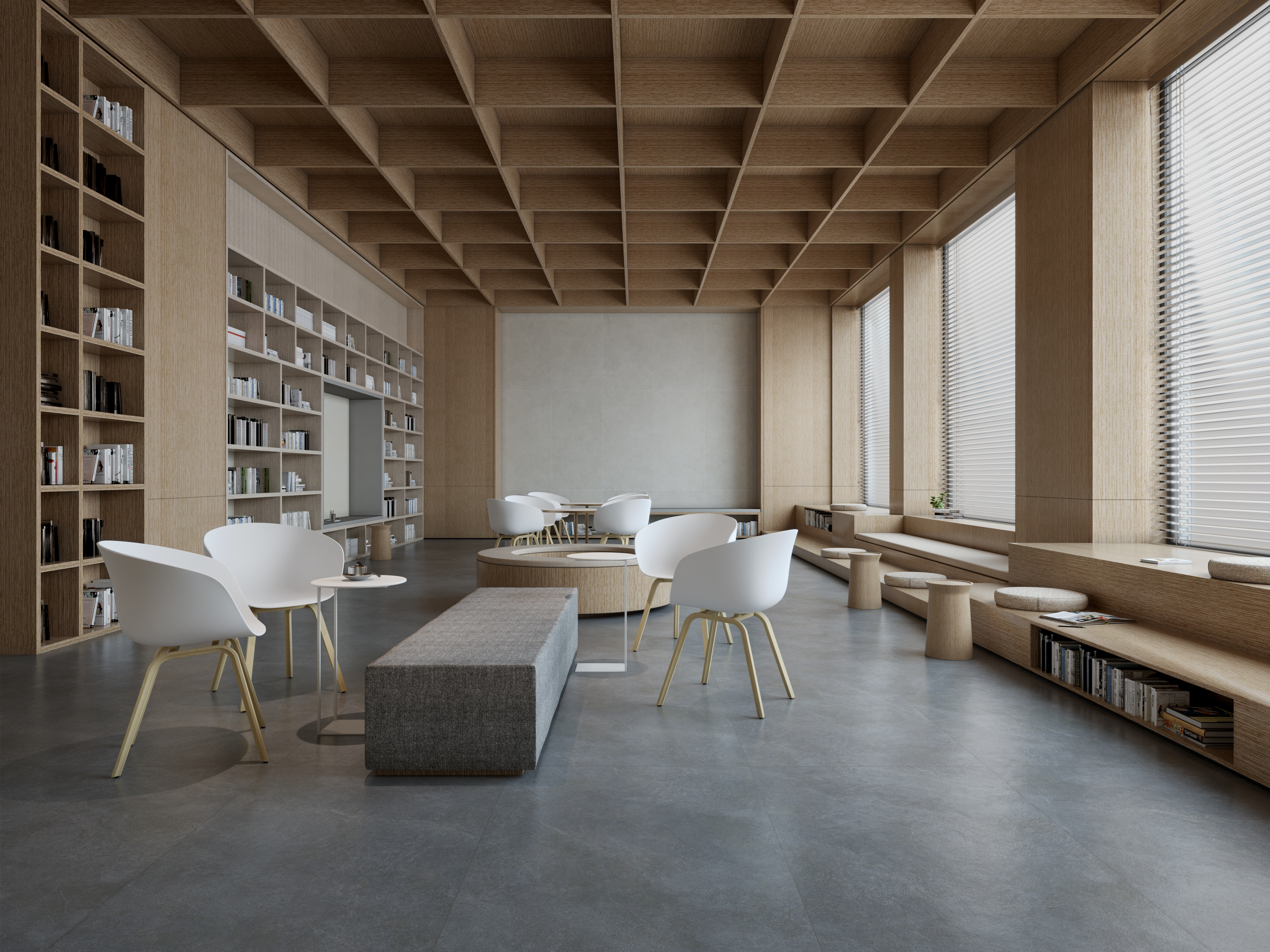
UV-resistant matt flooring has become an essential choice for modern sustainable garden architecture. As outdoor spaces continue to gain prominence in residential and commercial design, the demand for flooring solutions that combine durability, environmental responsibility, and aesthetic appeal has grown significantly. UV-resistant matt flooring addresses these requirements by offering a surface that withstands prolonged sun exposure while maintaining its visual integrity and ecological footprint. This type of flooring represents a meaningful investment in creating outdoor environments that endure environmental pressures without frequent replacement or maintenance-intensive interventions.

Garden architects and landscape designers increasingly specify UV-resistant matt flooring because it delivers performance characteristics that align with sustainability principles. Unlike traditional glossy finishes that degrade under ultraviolet radiation, UV-resistant matt flooring maintains color stability, structural integrity, and surface texture throughout extended outdoor exposure. The matt finish eliminates glare that can affect visual comfort in garden environments, while the UV-resistant properties ensure that the flooring does not become brittle, discolored, or compromised by sun exposure. This combination makes UV-resistant matt flooring a practical foundation for contemporary sustainable garden design.
Material Composition and UV-Resistance Technology
Understanding UV-Resistant Matt Flooring Construction
UV-resistant matt flooring is engineered with specialized compound formulations that prevent photodegradation. The core material typically incorporates UV stabilizers, light-absorbing additives, and pigments selected specifically to resist color fading and molecular breakdown when exposed to sunlight. UV-resistant matt flooring achieves this protection through layered construction methods that distribute these protective elements throughout the entire surface depth rather than relying on external coatings alone. This internal protection mechanism ensures that UV-resistant matt flooring remains effective even as the surface experiences wear from foot traffic, weathering, or cleaning procedures.
Sustainable Production Methods
Manufacturers producing UV-resistant matt flooring increasingly employ sustainable practices that reduce environmental impact during production and distribution. Many producers utilize recycled material content in their UV-resistant matt flooring formulations, incorporating post-consumer or post-industrial waste streams into the matrix composition. The production process for quality UV-resistant matt flooring minimizes energy consumption and volatile organic compound emissions compared to conventional flooring solutions. When specifying UV-resistant matt flooring for garden architecture, designers can verify certifications such as environmental product declarations or third-party sustainability assessments that document the ecological footprint of the specific product selected.
Performance Benefits in Outdoor Garden Environments
Durability and Longevity Advantages
UV-resistant matt flooring delivers extended service life in outdoor garden settings where exposure to solar radiation, temperature fluctuations, and moisture occurs continuously. Traditional flooring materials without UV protection typically show visible color degradation within eighteen to thirty-six months of outdoor installation, whereas UV-resistant matt flooring maintains aesthetic and functional properties for significantly longer periods. The consistent performance of UV-resistant matt flooring reduces replacement frequency, which translates to lower lifecycle costs and reduced construction waste. Garden spaces utilizing UV-resistant matt flooring require fewer interventions for surface restoration or material replacement, allowing landscape investments to retain their value and functionality across multiple years of service.
Aesthetic and Functional Consistency
The matt finish characteristic of quality UV-resistant matt flooring creates visual and tactile qualities that enhance garden architecture aesthetics while improving safety and comfort. UV-resistant matt flooring eliminates the glare and reflection problems associated with glossy surfaces, reducing visual fatigue for garden users and creating a more naturalistic appearance that complements landscaping elements. The non-slip properties inherent in matt surface textures make UV-resistant matt flooring particularly suitable for wet climate zones or garden areas where moisture accumulation occurs. Maintenance of UV-resistant matt flooring typically involves simple cleaning protocols without requiring specialized coatings or periodic refinishing treatments that consume time and resources.
Application Scenarios and Suitability Considerations
Residential and Commercial Garden Projects
UV-resistant matt flooring serves diverse outdoor functions across residential gardens, commercial landscapes, hospitality venues, and public recreational spaces. Homeowners implementing sustainable garden designs increasingly choose UV-resistant matt flooring for pathways, patios, and entertaining areas where durability and environmental responsibility align with personal values. Commercial landscape applications benefit from UV-resistant matt flooring because the extended service life and minimal maintenance requirements reduce operational costs across large outdoor installations. Hospitality properties, corporate campuses, and municipal parks employ UV-resistant matt flooring to create attractive outdoor environments that maintain visual quality and structural soundness despite heavy foot traffic and continuous sun exposure.
Climate and Environmental Adaptation
The suitability of UV-resistant matt flooring varies based on specific climate conditions, latitude, and local environmental factors that affect outdoor material performance. Regions with intense ultraviolet exposure at high altitudes or equatorial latitudes derive maximum performance advantage from UV-resistant matt flooring specifications. Temperate and subtropical climates also benefit from UV-resistant matt flooring because the extended color stability reduces seasonal fading and maintains consistent garden aesthetics throughout the year. Even in lower-UV-intensity climates, UV-resistant matt flooring provides performance advantages compared to conventional materials, though the cost-benefit analysis should consider local solar exposure patterns and project longevity expectations.
FAQ
How does UV-resistant matt flooring compare to glossy finishes for outdoor gardens?
UV-resistant matt flooring offers superior UV protection compared to standard glossy finishes and provides additional functional advantages in outdoor environments. Glossy surfaces amplify solar glare and typically lack integrated UV stabilizers, resulting in faster color degradation and surface brittleness. UV-resistant matt flooring eliminates glare problems, improves slip resistance in wet conditions, and maintains structural integrity under prolonged sun exposure. The aesthetic compatibility of UV-resistant matt flooring with natural garden elements also makes it a more cohesive design choice for contemporary landscape architecture.
What sustainability certifications should I look for when selecting UV-resistant matt flooring?
Quality UV-resistant matt flooring products typically carry environmental certifications including recycled content documentation, low-VOC manufacturing verification, or third-party environmental product declarations. Certifications such as ISO 14001, LEED compliance documentation, or equivalent regional sustainability standards provide objective validation of UV-resistant matt flooring environmental performance. When evaluating UV-resistant matt flooring options, request lifecycle assessment data and manufacturing documentation that confirm sustainable material sourcing and production practices. Verification of recycled content percentages and supply chain transparency helps ensure that your UV-resistant matt flooring selection genuinely supports sustainability objectives.
What maintenance does UV-resistant matt flooring require in outdoor garden settings?
UV-resistant matt flooring requires minimal maintenance compared to conventional outdoor flooring solutions, typically involving only periodic cleaning and debris removal. Regular sweeping and occasional water rinsing keep UV-resistant matt flooring clean and visually attractive without requiring specialized chemical treatments or protective coatings. Unlike glossy surfaces, UV-resistant matt flooring does not need periodic refinishing or seal reapplication, reducing long-term maintenance costs and labor intensity. Seasonal inspections for drainage issues or accumulated organic material ensure that UV-resistant matt flooring continues to perform optimally, though the durable material composition minimizes weather-related degradation concerns.