EN
EN

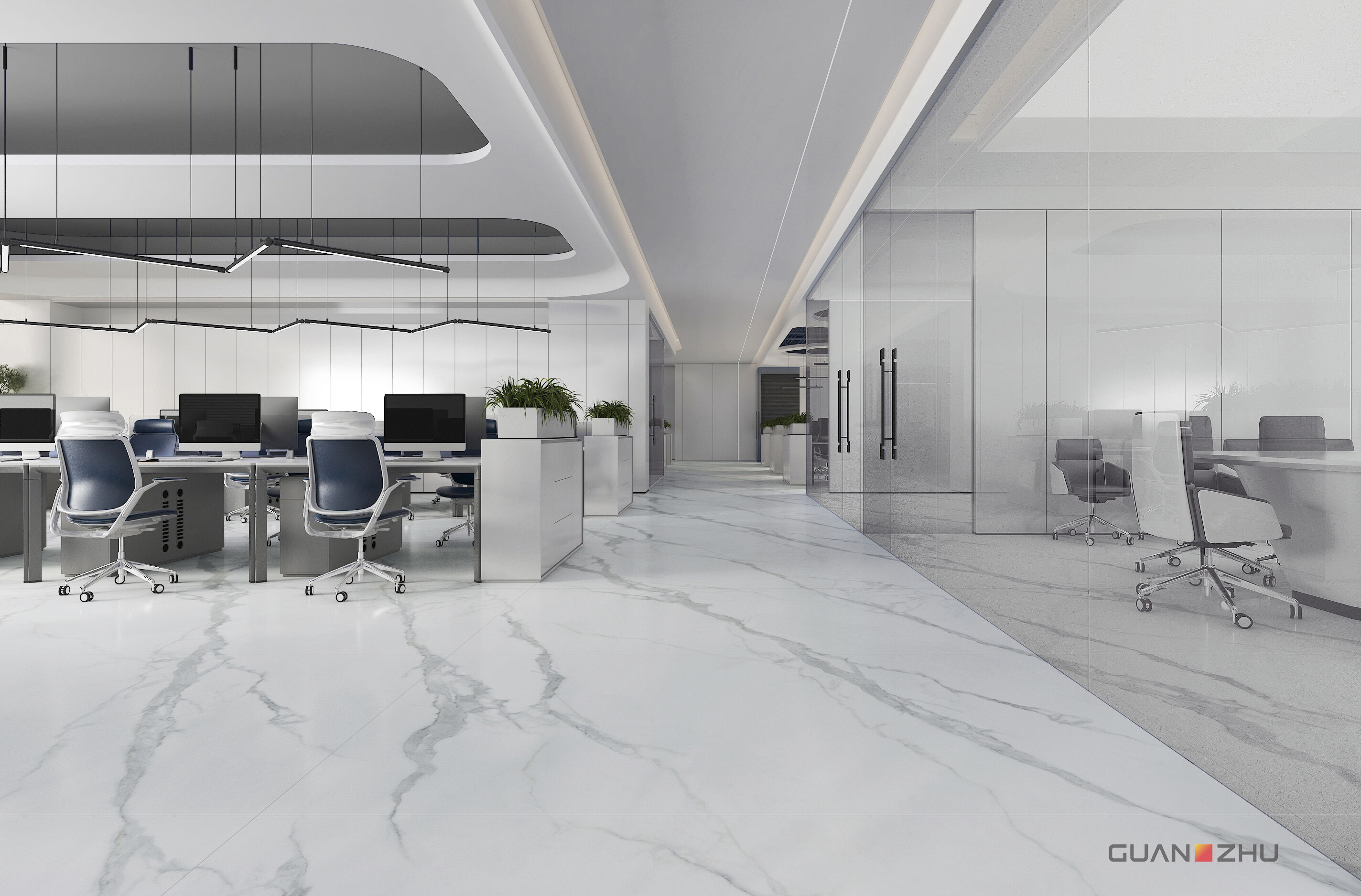
When it comes to creating a refined outdoor environment, marble slab paving stands as one of the most respected and visually compelling choices available for commercial garden landscaping. Whether applied across hotel courtyards, corporate exterior spaces, or upscale retail gardens, marble slab paving delivers a level of sophistication that few other materials can match. For landscape architects and property developers, selecting a surface material that combines natural beauty with reliable outdoor performance is a critical decision, and marble slab paving consistently meets that challenge.

Modern commercial gardens demand surfaces that endure seasons of rain, heat, frost, and foot traffic without losing their appeal. Weatherproof marble slab paving is engineered specifically to meet those demands. By combining natural stone density with surface treatments that resist moisture absorption and thermal expansion, marble slab paving creates outdoor landscapes that remain structurally sound and visually impressive year after year. This article explores the core characteristics, installation considerations, and long-term value of using marble slab paving in commercial garden settings.
Core Characteristics of Weatherproof Marble Slab Paving
Natural Density and Weather Resistance
At the heart of every high-performing outdoor stone surface is the quality of the stone itself. Marble slab paving sourced from dense, low-porosity stone blocks provides a natural resistance to water infiltration, which is the primary cause of frost damage and surface degradation. When marble slab paving is cut and finished to appropriate thickness, typically between 20mm and 30mm for commercial outdoor applications, it gains the mechanical strength needed to handle both static loads and dynamic foot traffic. This thickness also helps marble slab paving manage thermal cycles without cracking, making it reliable across different climate zones.
Surface finishing further enhances the weatherproof performance of marble slab paving. A flamed or brushed finish creates micro-texture on the slab surface, improving slip resistance in wet conditions while maintaining the stone's natural veining and color. Honed marble slab paving offers a smoother look suitable for sheltered walkways and covered garden terraces, while sandblasted marble slab paving is preferred for high-exposure outdoor zones where grip is a safety priority. Choosing the right finish is as important as choosing the stone itself when specifying marble slab paving for commercial use.
Thermal Stability and Color Retention
One common concern with outdoor stone in commercial environments is whether colors and surface tones remain stable under prolonged UV exposure. Marble slab paving, particularly in white, beige, and grey tones, performs well under sunlight because its mineral composition reflects rather than absorbs solar radiation. This reflective quality not only preserves the visual tone of the marble slab paving over time but also contributes to cooler surface temperatures in open garden areas during summer months. For commercial garden designers focused on both aesthetics and comfort, this thermal behavior makes marble slab paving a practical choice.
Marble Slab Paving in Commercial Garden Design
Spatial Impact and Design Versatility
Commercial gardens serve as functional extensions of a building's brand identity. Whether at a five-star hotel, a premium office campus, or a high-end residential complex, the choice of marble slab paving sends a clear signal about quality and design intent. Large-format marble slab paving, particularly slabs sized 600x1200mm or larger, creates a seamless visual flow across open garden zones that smaller tiles simply cannot achieve. The low number of grout lines in large-format marble slab paving reduces the visual clutter and creates a more expansive, clean-lined aesthetic that complements modern architectural styles.
Marble slab paving also integrates naturally with other landscape elements such as water features, planted borders, timber decking, and garden lighting. When marble slab paving is used alongside darker natural stone edging or metallic landscape fixtures, the contrast highlights the stone's natural veining and adds depth to the garden composition. This versatility allows designers to use marble slab paving as either a dominant surface material or as a focal accent within a mixed-material landscape palette.
Suitability for High-Traffic Commercial Zones
Commercial garden spaces often accommodate event setups, outdoor dining, and regular pedestrian movement. Marble slab paving, when properly specified and installed, handles these demands with ease. The slab format distributes point loads more evenly than smaller tiles, reducing the risk of cracking under furniture legs or delivery equipment. Properly bedded marble slab paving on a solid mortar or adhesive base also resists settlement and rocking, two common failure modes in outdoor stone installations. For venue managers and property owners, using durable marble slab paving means fewer maintenance interventions and lower long-term surface replacement costs.
Installation and Maintenance of Outdoor Marble Slab Paving
Substrate Preparation and Laying Method
The longevity of marble slab paving in a commercial garden depends heavily on substrate preparation. A concrete base with a minimum thickness of 100mm, reinforced with mesh, provides the stable foundation that marble slab paving requires outdoors. The surface must be level and properly graded to ensure adequate drainage, preventing standing water from pooling beneath or around the marble slab paving. Adhesive mortar specifically formulated for natural stone outdoor applications should be used to bond the marble slab paving to its base, ensuring full contact coverage and preventing hollow spots that could cause cracking under load.
For marble slab paving in frost-prone environments, expansion joints should be incorporated at regular intervals across the installation. These joints allow the marble slab paving to expand and contract with temperature changes without cracking or lifting. Properly planned expansion joints are almost invisible in the final landscape design but are essential to protecting the integrity of the marble slab paving over its full service life.
Sealing and Long-Term Surface Care
Applying a penetrating stone sealer to marble slab paving before use is a standard practice in commercial outdoor installations. The sealer fills the micro-pores in the stone surface, reducing the rate at which water, oils, and organic staining agents penetrate the marble slab paving. In a commercial garden context, where food and beverage spills, leaf staining, and bird deposits are common, sealing significantly extends the maintenance intervals for marble slab paving. Re-sealing every two to three years keeps the stone protected and reduces the effort required for routine cleaning. A pressure-wash with pH-neutral stone cleaner is typically sufficient for regular upkeep of sealed marble slab paving in commercial environments.
FAQ
Is marble slab paving suitable for outdoor use in all climates?
Yes, marble slab paving can be used outdoors in most climates when properly specified. In freeze-thaw environments, selecting low-porosity stone, using appropriate adhesives, and installing expansion joints ensures that marble slab paving performs reliably without frost damage. In hot, dry climates, lighter-toned marble slab paving reflects heat effectively and remains comfortable underfoot.
What thickness is recommended for commercial outdoor marble slab paving?
For commercial outdoor applications, marble slab paving is generally specified at 20mm to 30mm thickness. Thicker slabs provide greater load resistance and are preferred for areas with heavy furniture, event equipment, or infrequent vehicle access. Thinner marble slab paving may be suitable for pedestrian-only zones with solid, well-prepared substrates.
How often does outdoor marble slab paving need to be resealed?
In commercial garden environments, marble slab paving typically requires resealing every two to three years depending on traffic levels and exposure conditions. High-traffic zones or areas exposed to frequent spills and organic matter may benefit from annual sealing inspections. Regular sealing maintains the protective layer and keeps marble slab paving looking its best with minimal maintenance effort.