EN
EN

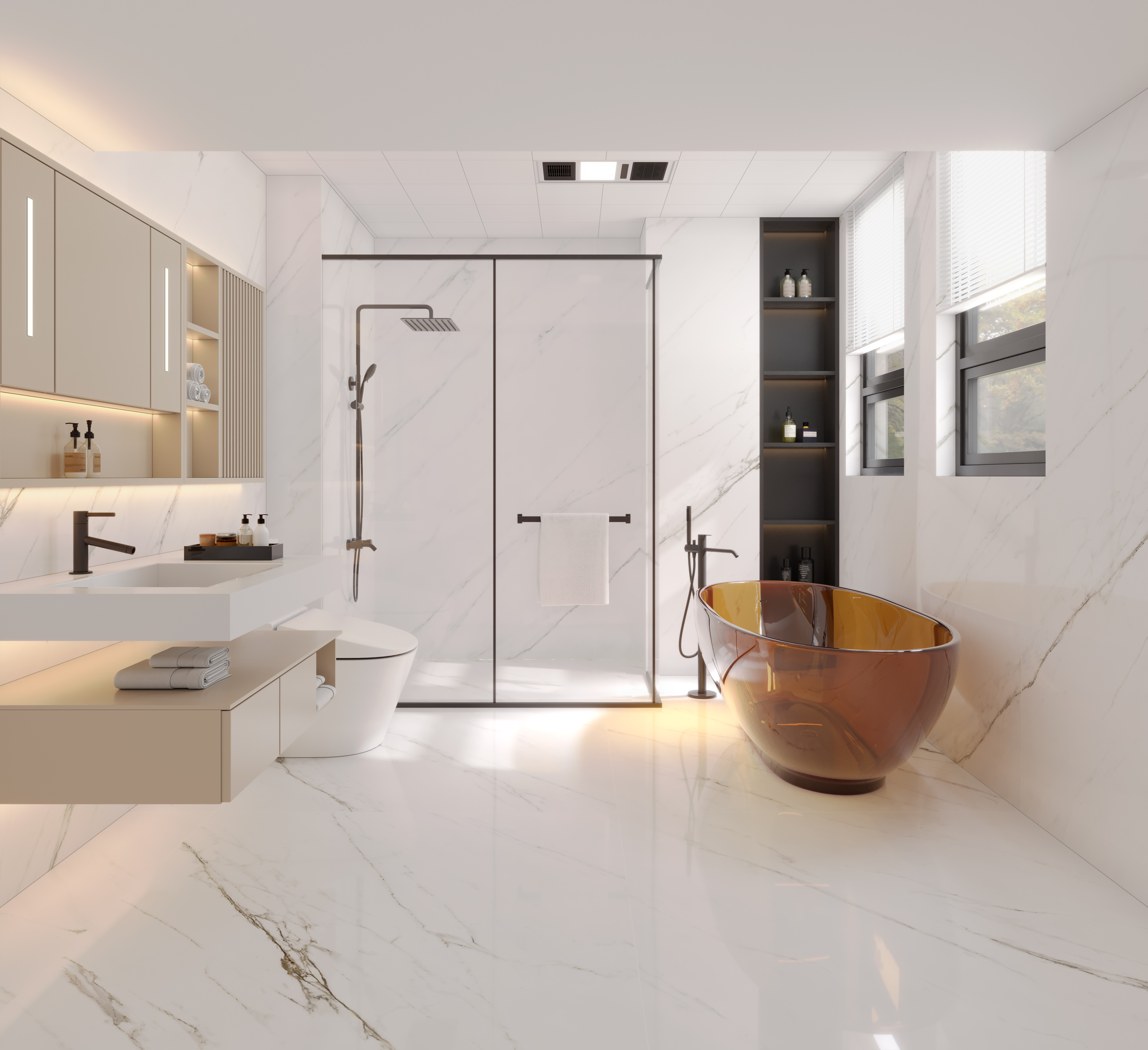
מתקני בריאות ומוסדות חינוך מתמודדים עם אתגרים ייחודיים בבחירת חומרי ריצוף היכולים לעמוד בשימוש כבד תוך שמירה על הסטנדרטים הגבוהים ביותר של היגיינה. הצורך החיוני במשטחים שמנגנים באופן פעיל נגד צמיחה בקטריאלית הוביל רבים מבתי החולים ובתי הספר לחפש אריחי פורצלן אנטי-בקטריאליים מתקדמים שמספקים הגנה מדידה נגד מיקרואורגניזמים מזיקים. מאחר ששליטה במחלות זיהומיות היא קריטית בסביבות אלו, מנהלי מתקנים דורשים פתרונות ריצוף שמציעים יעילות אנטימיקרוביאלית מוכחת לצד עמידות וערכיות חזותית.
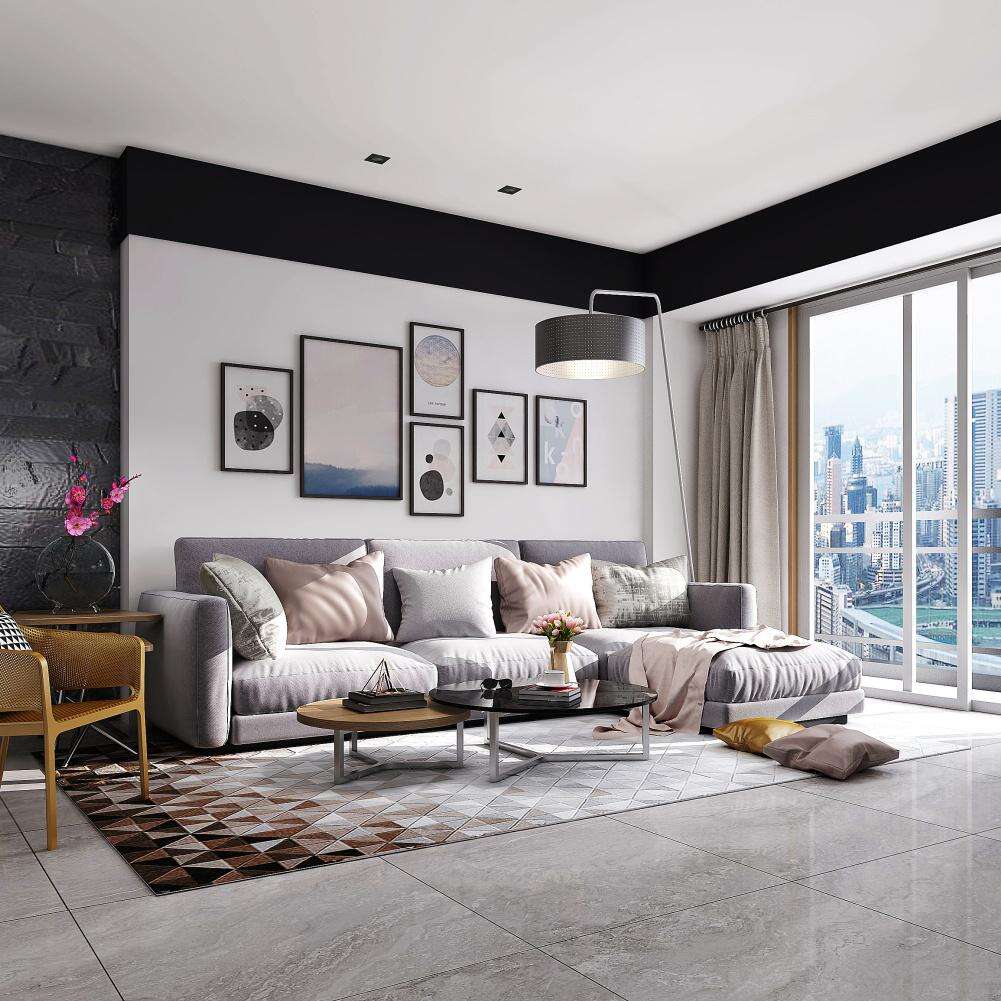
אריחי פורצלן של שיןמינגצ'ו עלו כבחירה המועדפת ליישומים הקפדניים הללו, ומשיגים שיעור נוגד חיידקים מרשים של 99.9% באמצעות טכנולוגיית חרסינה מתקדמת וטיפולים נוגדי מיקרובים מיוחדים. רמה יוצאת דופן זו של ביצועים עומדת בדרישות הקפדניות של מוסדות בריאות וחינוך, שבהם זיהום משטחים עלול ליצור סיכונים חמורים לבריאות. שילוב היעילות הנוגדת מיקרובים המוכחת, העמידות הא exceptional וההתאמה לסטנדרטים הבינלאומיים בתחום הבריאות הופכים את אריחי הפורצלן הנוגדים מיקרובים האלה להשקעה חיונית למוסדות המעדיפים בטחון התושבים ותחזוקה ארוכת טווח של המתקנים.
הבסיס המדעי של היעילות הנוגדת חיידקים ב-99.9%
שילוב טכנולוגיה מתקדמת למניעת מיקרואורגניזמים
הביצוע האנטיבקטריאלי המדהים של אריחי הפורצלן של שיןמינגג'ו נובע מתהליכי ייצור חרסינה חדשניים שמאפשרים שילוב של סוכנים אנטימיקרוביאלים ישירות בתוך מבנה האריח. בניגוד לטיפולים שמופעלים על פני השטח, אשר עלולים להיעלם עם הזמן, אריחי הפורצלן האנטיבקטריאליים הללו משתמשים בטכנולוגיית יוני הכסף שמשולבים לאורך כל המטריצה החרסינית, מה שמבטיח הגנה אנטימיקרוביאלית עקיבה לאורך כל תקופת השימוש של הרצפה. יוני הכסף משוחררים באופן רציף בקצבים מבוקרים, ויוצרים סביבה לא מזמין לצמיחה בקטריאלית, תוך שהשארתם בטוחה לחלוטין במגע עם האדם.
בדיקות מעבדה שנערכו לפי תקן ISO 22196 מראות כי האריחים מסוגלים להשמיד 99.9% מהחיידקים הנפוצים הקשורים למסגרת טיפול בריאות, כולל Staphylococcus aureus, Escherichia coli ו-Pseudomonas aeruginosa, תוך 24 שעות לאחר מגע. רמת היעילות האנטימיקרוביאלית הזו עולה על התקנים התעשייתיים ומספקת למוסדות הבריאות הגנה כמותית נגד העברת פתוגנים. שיטת הבדיקה כוללת זריעה של דגימות האריחים בתרבויות חיידקים בריכוזים ספציפיים ומדידת שיעורי ההפחתה בתנאי מעבדה מבוקרים אשר מדמים את תנאי השימוש במציאות.
מנגנון הגנה פעיל מתמשך
הפעולה האנטימיקרוביאלית של אריחי הפורצלן האנטיבקטריאליים הללו פועלת באמצעות מספר מנגנונים שפועלים בсинרגיה כדי להשיג את הסילוק המרבי של חיידקים. הגנה ראשונית מגיעה משחרור יוני הכסף, אשר פוגעים בדפנות התאים החיידקיים ומעכבים תהליכי הנשימה התאית, ובכך מונעים באופן יעיל את הרבייה והשרידה של החיידקים. הגנה משנית נובעת מהמשטח החרסיני החלק ביותר, אשר ממזער את נקודות הדבקות של החיידקים ומאפשר את יישום פרוטוקולי הניקוי והdezינפקציה בקלות.
הגישה דו-פעולה זו מבטיחה שאריחי פורצלן אנטי-בקטריאליים ישמורו על תכונות ההגנה שלהם גם בתנאי תנועה כבדה המאפיינים מסדרונות בית חולים, חדרי חולים ומסדרונות בתי ספר. האפקט האנטי-מיקרוביאלי מופעל באופן מיידי במגע עם חיידקים ופועלים ללא הפסקה, ומספקים הגנה מתמדת בין מחזורי הניקוי הרגילים. בדיקות עצמאיות מאשרות שהיעילות האנטי-בקטריאלית נותרת יציבה לאחר אלפי מחזורי ניקוי באמצעות מזוהמים רגילים ברמה של בית חולים, מה שמבטיח אמינות של הגנה לטווח ארוך.
יישומים קריטיים בסביבות בריאות
דרישות בקרת זיהומים בבתי חולים
מתקני בריאות מודרניים פועלים תחת פרוטוקולי מניעת זיהומים קפדניים שדורשים חומרי ריצוף מסוגלים לתמוך באסטרטגיות נוגדות מיקרובים מקיפות. זיהומים המתקבלים בבתי חולים משפיעים על מיליוני חולים מדי שנה, ומשטחים מזוהמים משמשים כווקטורים משמעותיים להעברת פתוגנים מסוכנים כגון MRSA, C. difficile וחיידקים שונים בעלי עמידות לתרופות. אריחי פורצלן נוגדי חיידקים ממלאים תפקיד קריטי בהפסקת שרשרת ההעברה הזו על ידי סיפוק הגנה מתמדת ברמה של המשטח, אשר משלימה את הליכי הניקוי והדיסינפקציה הרגילים.
אזורים קריטיים לטיפול רפואי, כגון חדרי ניתוח, יחידות טיפול נמרץ וחללי בידוד, דורשים ריצוף שמקיים את סטנדרדי ההיגיינה המאתגרים ביותר, תוך עמידה בנקיות מעמיקה תכופה עם חומרי דישינפקציה אגרסיביים. אריחי פורצלן אנטי-בקטריאליים אלו עולים על דרישות המתקנים הרפואיים בכך שמשמרים את תכונותיהם האנטי-מיקרוביאליות גם בהבערה בחומרים כמו תרכובות אמוניום רבעוני, פרוקסיד מימן ומחמצנים אחרים ברמה של בית חולים. פני השטח החרסיניים שאינם חדירים מונעים חדירה של חיידקים לתשתית הריצוף, ובכך מאלצים מקורות זיהום חבויים שלא ניתן להתמודד עמם בחומרי ריצוף מסורתיים.
בטיחות המטופל והתאמה לתקנות
מנהלי מוסדות בריאות חייבים לאזן בין דרישות בטיחות המטופלים, יעילות תפעולית ושקולות עלות ארוכות טווח בעת בחירת חומרי ריצוף. אריחי פורצלן אנטי-בקטריאליים מספקים יתרונות מדידים להפחתת הסיכונים שמאפשרים לעמוד בתקנים של הוועדה המשותפת (Joint Commission) והנחיות מרכז הביקורת על מחלות (Centers for Disease Control) למניעת זיהומים. שיעור הפחתת החיידקים המעודכן של 99.9% מספק הוכחה כמותית לביצוע האנטימיקרוביאלי, שניתן לכלול בתיעוד של ניהול הזיהומים בתוכנית הבטחת האיכות של המוסד.
התקנת אריחי פורצלן אנטי-בקטריאליים מדגימה מחויבות פרואקטיבית לבטחון המטופלים, ובכך עלולה למזער את החשיפה לתביעות הקשורות לזיהומים שמתפתחים במסגרת טיפול רפואי. התאמה של האריחים לסטנדרטים בינלאומיים בתחום הבריאות, כולל ISO 22196 ו-JIS Z 2801, מספקת מנהלי רפואה את הביטחון التنظימי והאימות של צד שלישי לטענות האנטימיקרוביאליות. האימות המדעי הזה הופך לחשוב במיוחד בעת ביקורות אקרדיטציה וביקורות איכות, שבהן יש למוסדות להציג גישות מבוססות עדויות למניעת זיהומים.
אסטרטגיות הגנה עבור מוסדות חינוך
עדיפויות בריאות ובטיחות בבתי ספר
מוסדות חינוך מתמודדים עם אתגרים ייחודיים בשימור סביבה בריאה תוך התאמות למספר גדול של תלמידים, צוות ומבקרים לאורך פעילות יומית ממושכת. בתי ספר ואוניברסיטאות זקוקים לפתרונות ריצוף שיכולים לעמוד בתנאי תנועה כבדה, תוך תרומה אקטיבית למאמצי מניעת זיהומים, במיוחד באזורים מסוכנים כמו אולמות אוכל, שירותים, מעבדות ומרפאות. אריחי פורצלן אנטי-בקטריאליים מספקים למוסדות חינוך הגנה אנטי-מיקרוביאלית מוכחת שמעודדת הפחתת היעדרויות הנובעות ממחלות מדבקות.
ההשפעה של זיהום המשטחים על בריאות התלמידים והצוות משתרעת מעבר לדאגות למחלה מיידית וכוללת השפעות על הביצועים האקדמיים והפרעות בתפעול הנגרמות על ידי הדבקות נרחבות. מחקרים מצביעים על כך ששיפור היגיינת המשטחים בסביבות חינוכיות קשור להפחתת העברה של מחלות נפוצות, כולל אינפלואנזה, נורובירוס והדבקות נשימתיות, אשר מתפשטות לעיתים קרובות באוכלוסיית התלמידים. אריחי פורצלן אנטי-בקטריאליים מהווים אלמנט יסוד באסטרטגיות בריאות מקיפות בבתי ספר, בכך שמספקים הגנה אנטי-מיקרוביאלית מתמשכת אשר נותנת תוצאה יעילה גם בין מחזורי הניקוי הסדירים.
ערך ארוך טווח בסביבות חינוכיות
מנהלי מוסדות חינוך מבינים יותר ויותר כי השקעות ראשוניות בריצוף באריחי פורצלן אנטיבקטריאליים מייצרות ערך משמעותי לטווח ארוך באמצעות עלויות תחזוקה מופחתות, מחזורי החלפה ארוכים יותר ושיפור בריאות הדיירים. העמידות יוצאת הדופן של המבנה הקרמי מבטיחה שאריחים אלה ישמרו על תכונותיהם האנטי-מיקרוביאליות ועל המראה האסתטי שלהם לאורך עשרות שנים של שימוש אינטנסיבי, מה שהופך אותם לחסכוניים במיוחד עבור מוסדות חינוך בעלי מודעות לתקציב המתכננים ניהול מתקנים לטווח ארוך.
התכונות נמוכות התחזוקה של אריחי פורצלן אנטי-בקטריאליים מתאימות באופן מושלם לאילוצי הפעלה טיפוסיים בסביבות חינוכיות, שבהן צוות הניקיון חייב לנקות שטחים גדולים בחלונות זמנים מוגבלים. המשטח חלק ולא חדיר מאפשר פרוטוקולי ניקיון מהירים, בעוד הטכנולוגיה האנטי-מיקרוביאלית המוטבעת מספקת הגנה נוספת נגד צמיחה בקטריאלית באזורים שעלולים שלא להיחלף או לנקות לעומק מדי יום. שילוב זה של יתרונות מעשיים והגנה על הבריאות הופך את האריחים הללו לפופולריים יותר ויותר בקרב מנהלי בתי ספר המחפשים פתרונות מקיפים לפרויקטים של מודרניזציה של המתקנים.
יתרונות ביצועים ובטיחות איכות
עמידות בתנאים קיצוניים
התכונות המכאניות الاستثنאיות של אריחי פורצלן נוגדי חיידקים מבטיחות שהיעילות הנוגדת מיקרואורגניזמים תישאר יציבה גם בתנאי הפעלה הקשים ביותר שנצפים בבתי חולים ובבתי ספר. האריחים הללו מציגים עמידות יוצאת דופן בפני ציוד כבד, ניקוי תכוף, חשיפה לכימיקלים ותנודות בטמפרטורה שיפגעו בחומרים אחרים לרצפות. בדיקות מעבדה מאשרות שטכנולוגיית יוני הכסף המוטבעת שומרת על יכולותיה להשמיד חיידקים גם לאחר דמיון של עשורים של שימוש, מה שנותן מנהלי מתקנים את הביטחון באימונים ארוכי טווח.
מבחני התנגדות למכות מראים שאריחי פורצלן אנטי-בקטריאליים יכולים לסבול את הנפילה של ציוד, עגלות מתגלגלות ותנאי תנועה מרובה המאפיינים סביבות בריאותיות וחינוכיות, מבלי לפגוע בתכונות האנטימיקרוביאליות או בשלמות המבנית שלהם. הבנייה החרסית מספקת חוזק פנימי העולה על סטנדרטי התעשייה לרצפות מסחריות, תוך שמירה על התכונות האנטימיקרוביאליות המיוחדות שעושות את האריחים האלה חיוניים ליישומים רגישים לזיהום. עמידות זו מבטיחה שההשקעה הראשונית באריחי פורצלן אנטי-בקטריאליים ממשיכה לספק ערך הגנה לאורך זמן שירות ארוך.
בקרת איכות ותקני ייצור
שינמינגג'ו שומרת על תהליכי בקרת איכות קפדניים לאורך כל תהליך ייצור אריחי פורצלן אנטי-בקטריאליים כדי להבטיח ביצועים אנטימיקרוביאליים עקביים בכל מגרעות הייצור. כל אריח עובר שלבים מרובים של בדיקות, כולל אימות יעילות אנטימיקרוביאלית, מדידת דיוק הממדים ובדיקה איכותית של המשטח, לפני שהוא מקבל אישור למשלוח ליישומים במתקנים קריטיים. תהליך היצרנות כולל מערכות ניטור אוטומטיות שמעקבות אחר הפצת יוני הכסף, צפיפות החרסינה והתכונות המשטחיות כדי לשמור על הסטנדרטים המדויקים הנדרשים ליישומים בריאותיים וחינוכיים.
אשראת צד ג' ממעבדות בדיקה מוכרות מספקת אימות עצמאי לטענות האנטיבקטריאליות ומבטיחה שאריחי פורצלן אנטיבקטריאליים עונים על مواصفות הביצוע המפורסמות או חורגים מהן. בדיקות מחזוריות של משלחות מאושרות את ההתאמה המתמשכת לתקנים של ISO 22196, בעוד שתוכניות שיפור תהליך מתמשך משלבות משוב מישומים מותקנים כדי לשפר את ביצועי המוצר. מחויבות זו לבקרת איכות מעניקה למנהלי מתקנים את הביטחון שהשקעה בריצוף שלהם תספק את ההגנה האנטימיקרוביאלית המובטחת לאורך כל תקופת השירות המיועדת.
שאלות נפוצות
לכמה זמן שומרים אריחי פורצלן אנטיבקטריאליים על יעילות הפחתת החיידקים שלהם ב-99.9%?
היעילות האנטימיקרוביאלית של אריחי פורצלן אנטי-בקטריאליים נותרת יציבה לאורך כל תקופת השימוש של האריחים, אשר בדרך כלל היא 20–30 שנה ביישומים מסחריים. טכנולוגיית יוני הכסף מוטמעת בתוך המטריצה החמרית של הפורצלן, ולא מיושמת כטיפול שטחי, מה שמבטיח שהתכונות האנטימיקרוביאליות לא יפחתו עקב ניקוי או תנועה. בדיקות עצמאיות מאשרות כי קצב הפחתת החיידקים נשאר ללא שינוי גם לאחר דמיון של עשורים רבים של שימוש ומספר רב של מחזורי ניקוי עם מזוהמים רמה בית חולים.
אילו זנים ספציפיים של חיידקים יכולים האריחים האלה להשמיד, ובכמה מהר מתרחשת הפעולה האנטימיקרוביאלית?
בדיקות לפי תקן ISO 22196 מראות שיעורי הפחתה של 99.9% נגד חיידקים נפוצים הקשורים למסגרת טיפול בריאות, כולל Staphylococcus aureus, Escherichia coli, Pseudomonas aeruginosa ו-MRSA, תוך 24 שעות לאחר ההגעה. הפעולה הנוגדת חיידקים מתחילה באופן מיידי עם מגע החיידקים, והפחתה משמעותית מתרחשת בתוך השעות הראשונות. האריחים מפגינים גם יעילות נגד מגוון זנים של חיידקים עמידים לתרופות, הנפוצים בסביבות טיפולי בריאות.
האם אריחי פורצלן נוגדי חיידקים בטוחים לשימוש בסביבות שבהן מבוצעים ניקוי כימי ודיסינפקציה תכופים?
כן, אריחי פורצלן אנטי-בקטריאליים מעוצבים במיוחד כדי לשרוד חשיפה חוזרת למחממים חיטויים אגרסיביים של בתי חולים, כולל תרכובות אمونיום רבעוני, תמיסות פראוקسيد מימן ומנקים מבוססי כלור, מבלי לפגוע בתכונות האנטי-מיקרוביאליות שלהם. הבנייה החרסינית היא כימית אינרטית ולא מתגיבה, בעוד הטכנולוגיה המוטמעת של יוני הכסף נשארת יציבה תחת פרוטוקולי החיטוי הסטנדרטיים המשמשים במוסדות בריאות וחינוך.
מה הופך את האריחים האלה למתאימים במיוחד לאזורים עם תנועה רבה בבתי חולים ובבתי ספר בהשוואה לאפשרויות אחרות של ריצוף אנטי-מיקרוביאלי?
אריחי פורצלן אנטי-בקטריאליים משלבים יעילות אנטי-מיקרוביאלית מוכחת עם עמידות מכנית יוצאת דופן, מה שהופך אותם לאידיאליים לאזורים שעוברים תנועת רגליים כבדה, ציוד מתגלגל וניקוי תכוף. בניגוד לכסויים אנטי-מיקרוביאליים שיכולים להתלוש או לוויניל אנטי-מיקרוביאלי שעשוי לקרוע או לחדור, הבנייה החרסית מספקת הגנה קבועה שלא יכולה להיפגע вследствие נזק פיזי. המשטח שאינו ספוג מונע חדירה של חיידקים תוך שמירה על ניקיון קל – דרישה חיונית ביישומים מוסדיים.
תוכן העניינים
- הבסיס המדעי של היעילות הנוגדת חיידקים ב-99.9%
- יישומים קריטיים בסביבות בריאות
- אסטרטגיות הגנה עבור מוסדות חינוך
- יתרונות ביצועים ובטיחות איכות
-
שאלות נפוצות
- לכמה זמן שומרים אריחי פורצלן אנטיבקטריאליים על יעילות הפחתת החיידקים שלהם ב-99.9%?
- אילו זנים ספציפיים של חיידקים יכולים האריחים האלה להשמיד, ובכמה מהר מתרחשת הפעולה האנטימיקרוביאלית?
- האם אריחי פורצלן נוגדי חיידקים בטוחים לשימוש בסביבות שבהן מבוצעים ניקוי כימי ודיסינפקציה תכופים?
- מה הופך את האריחים האלה למתאימים במיוחד לאזורים עם תנועה רבה בבתי חולים ובבתי ספר בהשוואה לאפשרויות אחרות של ריצוף אנטי-מיקרוביאלי?