EN
EN

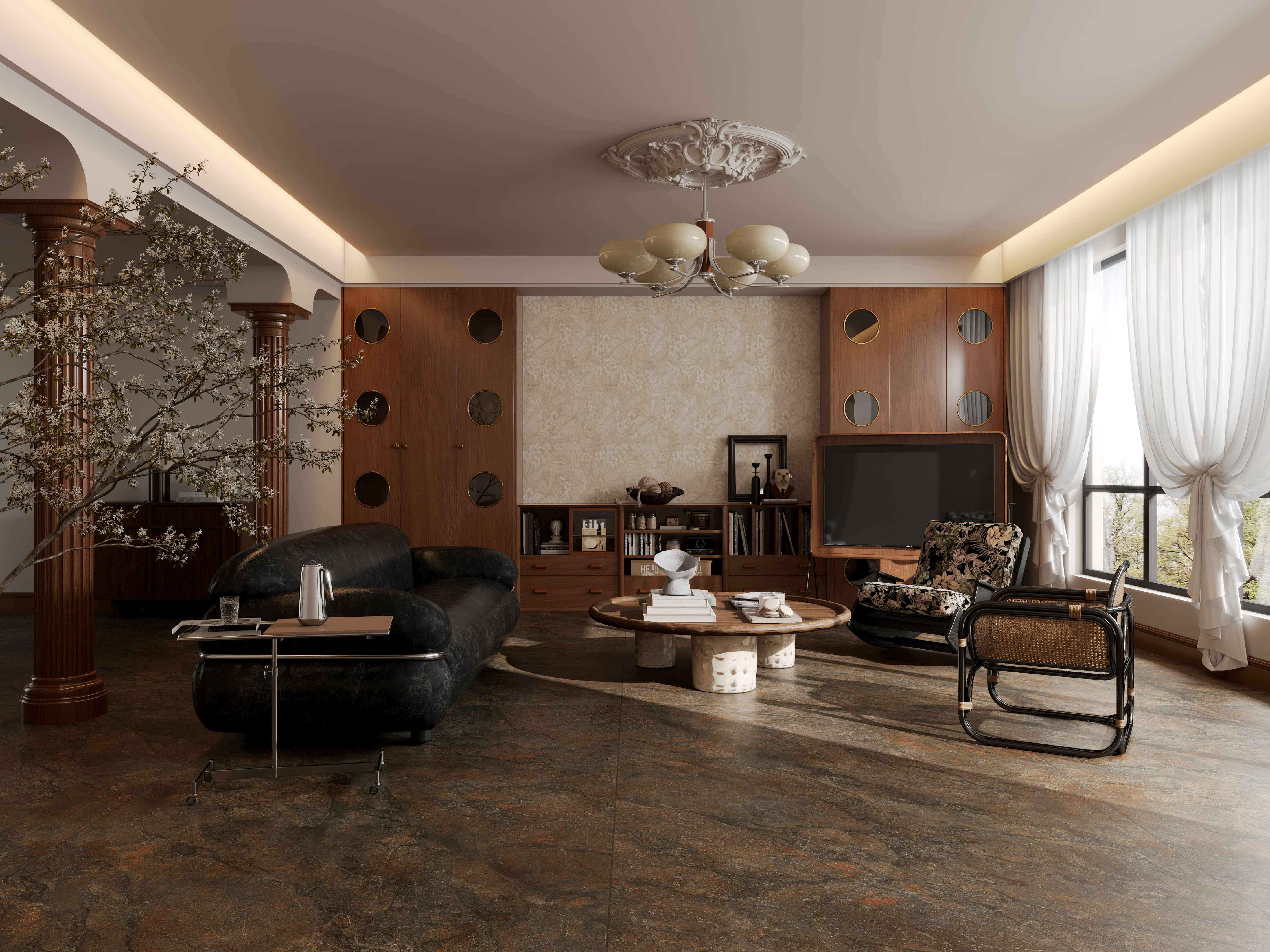
Miradi ya ujenzi ya kimataifa inahitaji vitu ambavyo vinafikia viwango vya juu vya utii wa kimataifa, kama hivyo ubao wa porselini uliothibitishwa na CE unakuwa chaguo muhimu sana kwa wataalamu wa usanifu, wafanyabiashara wa ujenzi, na wabunifu wanaofanya kazi katika miktadha mingi. Suluhisho hizi za kisasa za kisasa zinajumuisha ubora wa kuvutia pamoja na utii wa sheria, kuhakikisha kufanikiwa kwa urahisi wa kuthibitisha mradi na kusambaza, wakishinda viwango vya juu vya usalama na utendaji ambavyo hutakiwa na Sheria ya Ulinganisho wa Ulaya.
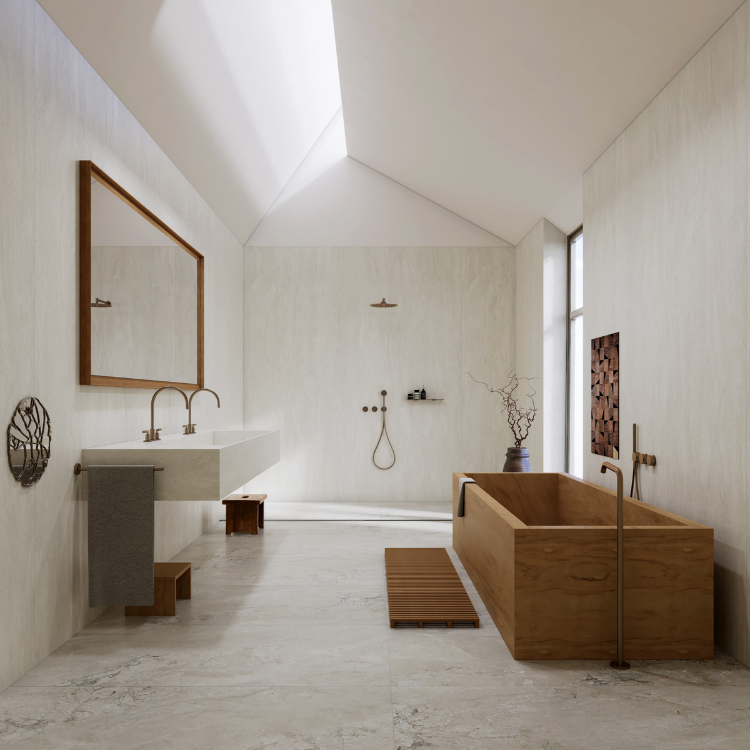
Uunganisho wa sertifikati ya CE, utambulisho wa daraja la moto A1, na wasifu kamili wa teknolojia unazalisha mfumo wa ufuatiliaji wenye nguvu ambao unawezesha wataalamu wa ujenzi kuchagua kwa ujasiri mfumo wa juu ya paneli za porceleni kwa miradi ya kimataifa. Paketi ya kudhibiti hii kamili inaondoa vikwazo vya kawaida vya kuhitajika kwa idhini na inahakikisha kwamba suluhisho la kifungo cha jengo linakidhi viwango vya sasa na mahitaji ya usalama ya kimataifa yanayobadilika, hasa katika maendeleo ya biashara ya juu na miradi ya miundombinu ya umma.
Kuelewa Sertifikati ya CE kwa Mfumo wa Paneli za Porceleni
Mfumo wa Viwango vya Ulinganisho wa Ulaya
Uthibitisho wa CE unawakilisha kibali cha mfanyabiashara kwamba paneli za porseleni zinakidhi sheria za Umoja wa Ulaya zinazohusiana, ikiwemo mahitaji muhimu ya afya, usalama, na ulinzi wa mazingira. Kwa paneli za porseleni zilizothibitishwa kwa CE, hii inahusisha kufuata Kanuni ya Bidhaa za Ujenzi (CPR) 305/2011, ambayo inaamuru sifa maalum za utendaji ikiwemo upinzani wa kimekaniki, usalama dhidi ya moto, u safi, uhifadhi wa nishati, na matumizi ya rasilimali za asili kwa njia ya kudumu. Mchakato wa uthibitisho unahitaji majaribio makubwa kutoka kwa mashirika yaliyothibitishwa na mifumo ya udhibiti wa ubora yanayotendeka mara kwa mara ili kuhakikisha utendaji wa bidhaa kwa njia ya kudumu.
Mchakato wa kuweka alama za CE kwa paneli kubwa za porcelaini unahusisha tathmini kamili ya sifa za upanuzi wa joto, thamani za upinzani wa kuteleza, viwango vya kunyonya maji, na uadilifu wa kimuundo chini ya hali mbalimbali za mzigo. Watengenezaji lazima watunze faili za kiufundi zenye maelezo ya kina zinazoonyesha matokeo yote ya majaribio, udhibiti wa ubora wa uzalishaji, na matamko ya utendaji ambayo yanaunga mkono moja kwa moja uteuzi wa paneli za porcelaini zilizoidhinishwa na CE. Nyaraka hizi zinakuwa muhimu kwa wasanifu majengo na wakandarasi wanaohitaji data inayoweza kuthibitishwa ya kufuata sheria kwa ajili ya maombi ya vibali vya ujenzi na idhini za miradi ya kimataifa.
Mifumo ya Usimamizi wa Ubora na Ufuatiliaji
Paneli za porseleni zilizopimwa kwa CE zinahitaji mifumo ya usimamizi wa ubora wenye nguvu ambayo huwakilisha kila hatua ya uzalishaji, kutoka kwa uchaguzi wa vitu vya kwanza hadi ukaguzi wa mwisho na uvunaji. Mifumo hii inahakikisha uwekewe wa ufanisi kati ya kila kikundi na inawezesha utambulisho wa haraka wa tofauti yoyote za utendaji ambazo zinaweza kuathiri hali ya kufuata masharti. Mahitaji ya uwezekano wa kutambulika (traceability) yanapanua kwa vitu vya kufunga, mafuta ya kufunga, na mifumo ya kufunga ambayo huunda sehemu muhimu za jumla ya mfumo wa kufunga ukuta.
Vifaa vya uzalishaji vya kisasa vya kuzalisha paneli za porseleni zenye saini ya CE hufanya matumizi ya mchakato wa udhibiti wa ubora unaofanywa kwa kutumia teknolojia ya kiotomatiki ambao unafuatilia joto la kuchomwa, uvumilivu wa ukubwa, na tabia za uso katika wakati halisi. Mfumo huu wa ufuatiliaji unaendelea unahakikisha kuwa kila paneli inafanana na thamani zilizotajwa za utendaji na inabaki katika mamlaka ya standadi za Ulaya kote katika mzunguko wa uzalishaji. Kumbukumbu ya ubora inayotokana na hilo inatoa uhakika kwa timu za ujenzi kwamba vitu vilivyochaguliwa vitatumika kama ilivyotarajwa katika miradi ya kimataifa yenye changamoto.
Ufaulu wa Kipimo cha Moto cha A1 na Utendaji wa Usalama
Kipimo cha Haja ya Kuwaka
Utaratibu wa moto wa kiwango cha A1 unawakilisha kiwango cha juu ya utaratibu wa usalama dhidi ya moto kulingana na standa ya Ulaya EN 13501-1, ikionyesha kwamba paneli za porseleni zilizopimwa na kuthibitishwa kwa CE zinakuwa kabisa hazijafanyika moto na hazichangia chochote katika maendeleo ya moto. Utaratibu huu unahitaji vitu visivyo na mchango wowote kwenye hali ya kuwaka kwa haraka (flashover), upepo mdogo wa joto, na hakuna uzalishaji wa maji ya moto au vinywe vya moto wakati wa kufanyiwa mtihani kwa moto. Kielezo cha A1 kinachukua wasiwasi kuhusu usambazaji wa moto, uundaji wa moshi, na uzaaji wa gesi toxic ambazo mara nyingi zinahusisha vitu vingine vya kufunga.
Protokoli ya kujaribu kwa daraja la moto la A1 inahusisha kufanya majaribio ya sampuli za paneli za porceleni katika magumu zinazozidi 750°C wakati wa kufuatilia kiwango cha kuvutia joto, vipengele vya kupoteza uzito, na muda wa kuendelea kwa moto. Paneli za porceleni zilizopimwa na CE na zinazopata daraja la A1 zinawakilisha ustabiliti ya juu ya joto, zikibadilisha uwezo wao wa kujenga hata katika hali ya moto kali sana. Uwiano huu wa utendaji unawafanya kuwa bora sana kwa majengo ya juu, mito, shule, na majengo mengine ambapo mahitaji ya usalama dhidi ya moto ni ya juu zaidi.
Utii wa Kanuni ya Ujenzi na Faida za Bima
Paneli za porseleni zenye utambulisho wa CE na kuhitimuwa kwa kiwango cha moto cha A1 hufanya kuwa rahisi kufuata kanuni za ujenzi katika mamlaka ya kimataifa, kwa sababu kanuni nyingi za taifa kuhusu usalama dhidi ya moto zinakubali viwango vya Ulaya vya utambulisho au zina mahitaji sawa. Ubunifu wa kimataifa huu hupunguza ufanisi wa ubunifu na hukataa hitaji la utoaji mara nyingi wa vitu vya ujenzi wakati wa kufanya miradi ya kimataifa. Utambulisho wa kutokuwa na moto pia unasaidia strategia za kulinda dhidi ya moto kwa njia ya pasi, hupunguza mtaji wa mfumo wa kusimamia moto kwa njia ya aktif na huumesha ubunifu wa ziada wa urahisi wa ujenzi.
Watoa usimamizi wa bima mara nyingi hutoa masharti ya kufavori kwa majengo yanayotumia vitu vya kufunga vilivyopimwa kwa daraja la moto la A1, kwa kuzingatia upungufu wa hatari unaohusiana na mifumo ya nje isiyo ya kuchoma. Matumizi ya paneli za porseleni zilizopimwa kwa CE na zinazopata daraja la A1 yanaweza kusaidia kupunguza ada za bima, kupunguza uwajibikaji wa kisheria, na kuharakisha uwasilishaji wa malipo ya bima katika matukio ya moto ambayo hayajawahi kutokuwepo. Faida hizi za kifedha mara nyingi huzidisha gharama ya awali ya vitu vilivyotumika kuhusu viwajibikaji vya kujitolea vya juu.
Vitabu vya Teknolojia vya Kina
Tatizo la Utendaji na Ripoti za Uchunguzi
Dossiers zote za teknolojia kwa paneli za porseleni zilizothibitishwa na CE zinajumuisha matatizo ya utendaji yanayoelezea kwa undani sifa zote muhimu zinazohitajika na taratibu za bidhaa za ujenzi za Ulaya. Dokumenti hizi zinataja thamani zozote kwa usawa wa joto, upungufu wa uvumbuzi wa maji, uwezo wa kupinga mafuriko, uwezo wa kubakisha na kuchomwa, na uwezo wa kupinga kemikali. Data ya utendaji inasaidia kuhesabu kwa usahihi kipengele cha ndani ya jengo na inasaidia shughuli za kufanya modeli ya nishati inayohitajika kwa uthibitisho wa majengo ya kijani na viwango vya nyumba ya kushindwa.
Ripoti za majaribio ya kutamka kwa watafiti wa kujitawala kutoka kwa makumbusho ya kufanya majaribio yaliyothibitishwa yanatoa uthibitisho wa pili kutoka kwa mtu wa nje kwa thamani zote za utendaji zilizotajwa, ikiwemo majaribio ya kipekee kwa upinzani wa vishisa, uwezo wa kuvimba kwa upepo, na tabia za kudumu za kuvunjika kwa sababu ya hali ya hewa. Mtindo wa kujaribu kwa kina kwa paneli za porceleni zilizothibitishwa kwa CE unapana hadi kwenye mbinu za kuharibu haraka ambazo zinahakikisha miaka mingi ya uwepo katika mazingira, ikithibitisha kwamba viwango vya utendaji vilivyotajwa vitabaki vya kudumu kote katika muda wa maombi ya jengo. Uthibitisho huu wa kina unatoa uhakika kwa timu za kubuni kuhusu ubunifu wa utendaji wa kudumu na malipo ya kuhakikisha.
Maelekezo ya Kusakinisha na Uunganishaji wa Mfumo
Madokumenti ya kifani kwa ajili ya vifani vya porceleni vilivyopimwa kwa CE vinajumuisha maelekezo ya kina ya uwekaji, ikiwemo utayari wa msurubu, njia za kufunga, taratibu za kufunga mapafu, na vitengo vya udhibiti wa ubora. Maelekezo haya yahakikisha kwamba vipengele vya utendaji vilivyopimwa vinaweza kubaki wakati wa uwekaji na kwamba mfumo wote wa ukuta unafanya kazi kama ilivyotarajwa. Madokumenti hayo yanajadili changamoto za kawaida za uwekaji kama vile kujenga nafasi ya mabadiliko ya joto, usimamizi wa unyevu, na njia za kutuma mzigo wa kihistoria.
Dokumenti ya ushirikiano wa mfumo inaelezea jinsi ya pande za porceleni zilizopimwa na CE zinavyoingiliana na madirisha, milango, mfumo wa mabanda, na vipengele vya kifaa cha uhandisi vinavyopitishwa kupitia ukuta bila kuvunjika kwa barri ya hewa na barri ya hali ya hewa. Mwongozo wa kifani unalenga maelezo ya kuchafua, matumizi ya vifungo vya kuongezeka, na matumizi ya upatikanaji wa huduma za utunzaji ambavyo ni muhimu kwa utendaji wa jengo kwa muda mrefu. Mchakato huu wa kina husadikisha kwamba sifa za juu za pande binafsi zinaweza kubadilishwa kuwa utendaji bora zaidi wa jengo kote.
Matumizi ya Miradi ya Kimataifa na Faida za Utekelezaji kwa Sheria
Ukubalisho wa Viwajibiko vya Kujenga vya Kimataifa
Paneli za porseleni zilizopimwa kwa CE na zenye uainishaji wa moto wa A1 zinapata ukubaliano katika masoko ya kimataifa mbalimbali kwa sababu ya viwango vya juu vya utajuzi wa Ulaya na mahitaji ya kutoa wasifu kamili. Nchi nyingi nje ya Ulaya zinakiri uhakika wa CE kama sawa na au zinazozidisha viwango vyao vya ndani, kuhakikisha mchakato wa kuidhinisha miradi ya ujenzi wa kimataifa. Uhakika huu wa kipekee unafanya Paneli za porseleni zilizopimwa kwa CE zisipokuwa thamani sana kwa watoa huduma wa kimataifa na makampuni ya usanifu wa kimataifa yanayofanya kazi kwenye miradi ya ujenzi yenye viwango vya kawaida.
Standards za Ulaya zinazotumika kwa pamoja na zinazosimama nyuma ya sertifikati ya CE zinatoa lugha ya kifahari ya kijamii ambayo inafacilitia mawasiliano kati ya timu za ubunifu, wakalimani, na mamlaka ya udhibiti katika nchi tofauti. Ufuatiliaji wa viwango hivi unapunguza hatari ya makosa katika maelezo, ubadilishaji wa vitu, na vikwazo vya kuidhinishwa vinavyowezekana sana katika miradi ya kimataifa yanayotumia vitu vilivyopatikana kwenye nchi hiyo. Matokeo ni muda wa mradi unaofanana zaidi na kupungua kwa mahitaji ya uwezekano kwa sababu ya matatizo yanayohusiana na kufuata sheria.
Ujenzi Unaobaki na Ufuatiliaji wa Mazingira
Paneli za porseleni zilizopimwa kwa CE zinahusisha malengo ya ujenzi wa kudumu kupitia data iliyothibitishwa ya utendaji wa mazingira ikiwemo hesabu za karboni iliyowekwa, udhibiti wa yaliyotengenezwa kutoka kwa vitu vilivyotumika tena, na tathmini za uwezekano wa kufanya upya matumizi ya paneli mwishoni mwa maisha yao. Udhibiti wa teknolojia unaofaa unawezesha tathmini sahihi ya mzunguko wa maisha na kusaidia mikopo ya mfumo wa kutoa alama za jengo la kijani kuhusu chaguzi ya vitu, uwezo wa kudumu, na kupunguza athari za mazingira. Hizi ni sifa muhimu zinazozidisha umuhimu wao kama soko la ujenzi la kimataifa linavyoongeza mkazo juu ya kupunguza karboni na kanuni za uchumi wa mzunguko.
Uhai mrefu wa huduma na mahitaji ya utambari mdogo ya paneli za porseleni zilizopimwa kwa CE zinachangia ustawi wa jumla wa majengo kwa kupunguza mzunguko wa ubadilishaji na mashirika ya utambari yanayotendeka. Uthibitisho wa moto wa daraja la A1 unalinda hitaji la matibabu ya kuzuia moto kwa kemikali ambayo inaweza kusababisha matatizo ya mazingira wakati wa uzalishaji na uvunja. Uunganisho huu wa utendaji na ujumla wa uwezo wa kuhifadhi mazingira unafanya mfumo wa juu ya paneli za porseleni kuwa wenye ubunifu kwa watawala wenye ujumla wa mazingira na wateja wa taasisi wenye amri za ustawi.
Maswali Yanayoulizwa Mara kwa Mara
Uthibitisho wa CE unasababisha nini kwa muda wa kuthibitisha miradi ya kimataifa?
Sertifikati ya CE inaharakisha kwa kiasi kikubwa utoaji wa miradi ya kimataifa kwa sababu standa za ujaribisho za Ulaya zinazotumika kwa ujumla zinapatikana na zinakubalwa kwa watawala wa utawala wa mataifa yote duniani. Miradi inayotumia paneli za porceleni zilizopasswa kwa sertifikati ya CE mara nyingi huona mchakato wa utoaji wa vitu vya kujenga unavyotarajiwa kushuka kwa asilimia 30-50 kuliko bidhaa zinazohitaji ujaribisho na utoaji maalum ya nchi moja kwa moja. Fomati ya hati ya kawaida na taarifa za utendaji huzima hitaji la mareview ya teknolojia zaidi na kupunguza hatari ya changamoto za maelezo wakati wa kureviewa ruhusa.
Ni faida gani maalum ambazo akisi ya moto ya daraja la A1 inatoa kuliko daraja la chini la moto?
Utaratibu wa moto wa kiwango cha A1 unatoa kujitoa kabisa kutoka kwa moto, maana ya hayo ni kwamba paneli za porceleni zilizopimwa na CE hazijatoa mafuta yoyote kwa maendeleo ya moto wala kutoa gesi zenye sumu au maji ya moto wakati wa uwezekano wa moto. Utaratibu huu hufuta vizingiti vya urefu, hupunguza u thickness wa chombo cha kuchukua moto kinachohitajika, na mara nyingi huwezesha uboreshaji wa muundo wa njia ya kutoroka kwa urahisi kuliko utaratibu wa B-s1,d0 au chini zaidi. Utaratibu wa A1 pia hutoa faida kubwa zaidi za bima na huwezesha matumizi katika matumizi muhimu kama vile hospitali, shule, na majengo ya wakazi ya juu ambapo mahitaji ya usalama dhidi ya moto ni ya juu zaidi.
Je, hati za kiufundi zimesanifishwa kwa watengenezaji tofauti wa paneli za porcelaini zilizoidhinishwa na CE?
Ingawa muundo wa msingi na sifa za utendaji zinazohitajika zimechaguliwa kwa kufuata taratibu za Ulaya, kila mfanyabiashara ana kitabu cha maelezo ya teknolojia chenye matokeo ya majaribio maalum, maelekezo ya usimamizi, na masharti ya garanti yanayotofautiana kwa bidhaa zake. Vipaneli vya porseleni vilivyopatiwa cheti cha CE kutoka kwa wafanyabiashara tofauti vinaweza kuonyesha tofauti katika utendaji wa joto, ustahili wa ukubwa, na sifa za uzuri, kama hivyo kuchunguza kwa makini kitabu cha maelezo ni muhimu sana kwa kuchagua kwa usahihi. Muundo uliochaguliwa kwa pamoja unahakikisha uwezekano wa kulinganisha wakati huo huo ukidhania tofauti ya bidhaa kulingana na data ya utendaji halisi na ubora wa uzalishaji.
Kitabu cha maelezo ya teknolojia kikamilifu kina msaada gani katika kujenga mfumo wa habari (BIM) na mchakato wa udaratibu wa digitali?
Dossiers za teknolojia zinazotambulika kwa ukamilifu kwa ajili ya paneli za porceleni zilizothibitishwa na CE zinatoa data ya utendaji unaohitajika kwa uhamisho wa sahihi wa BIM, uchambuzi wa nishati, na hisabati za muundo. Matangazo ya utendaji yanayotumika kwa namna ya kawaida yanaleta ingizo sahihi ya sifa za vitu kwa programu za kuchambua joto, wakati data ya vipimo hushirikisha utambulisho wa migawanyo na uwekezaji wa mpango wa usimamizi wa kufanya kazi. Wafanyabiashara wengi sasa wanatoa maktaba ya bidhaa ya kidijitali yenye maelezo ya teknolojia yaliyofungwa ambayo inaweza kuunganishwa moja kwa moja na miongo ya BIM iliyopendwa, kuhakikisha mfumo wa kubuni hadi kujenga kwa miradi ya kimataifa.
Orodha ya Maudhui
- Kuelewa Sertifikati ya CE kwa Mfumo wa Paneli za Porceleni
- Ufaulu wa Kipimo cha Moto cha A1 na Utendaji wa Usalama
- Vitabu vya Teknolojia vya Kina
- Matumizi ya Miradi ya Kimataifa na Faida za Utekelezaji kwa Sheria
-
Maswali Yanayoulizwa Mara kwa Mara
- Uthibitisho wa CE unasababisha nini kwa muda wa kuthibitisha miradi ya kimataifa?
- Ni faida gani maalum ambazo akisi ya moto ya daraja la A1 inatoa kuliko daraja la chini la moto?
- Je, hati za kiufundi zimesanifishwa kwa watengenezaji tofauti wa paneli za porcelaini zilizoidhinishwa na CE?
- Kitabu cha maelezo ya teknolojia kikamilifu kina msaada gani katika kujenga mfumo wa habari (BIM) na mchakato wa udaratibu wa digitali?