Premium Ceramic Tile Manufacturer | Quality Tiles & Advanced Manufacturing Solutions

Get a Free Quote

Our representative will contact you soon.
Email
Name
Company Name
Message
0/1000

ceramic tile manufacturer

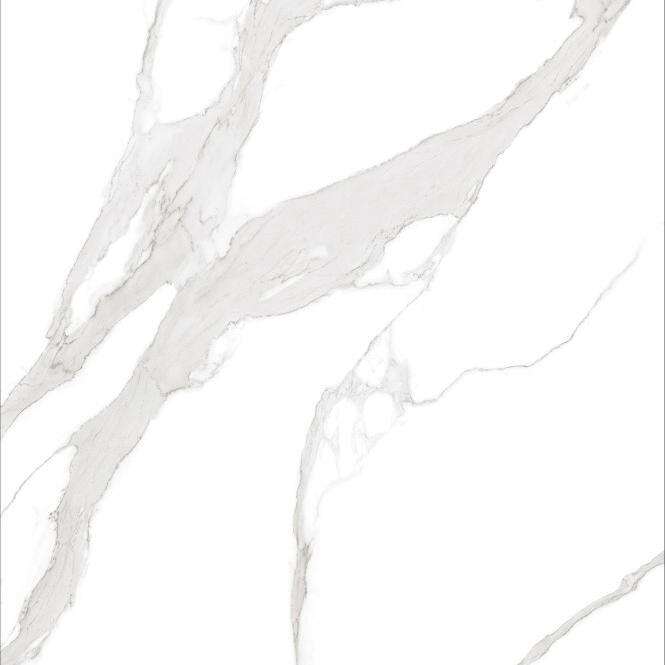
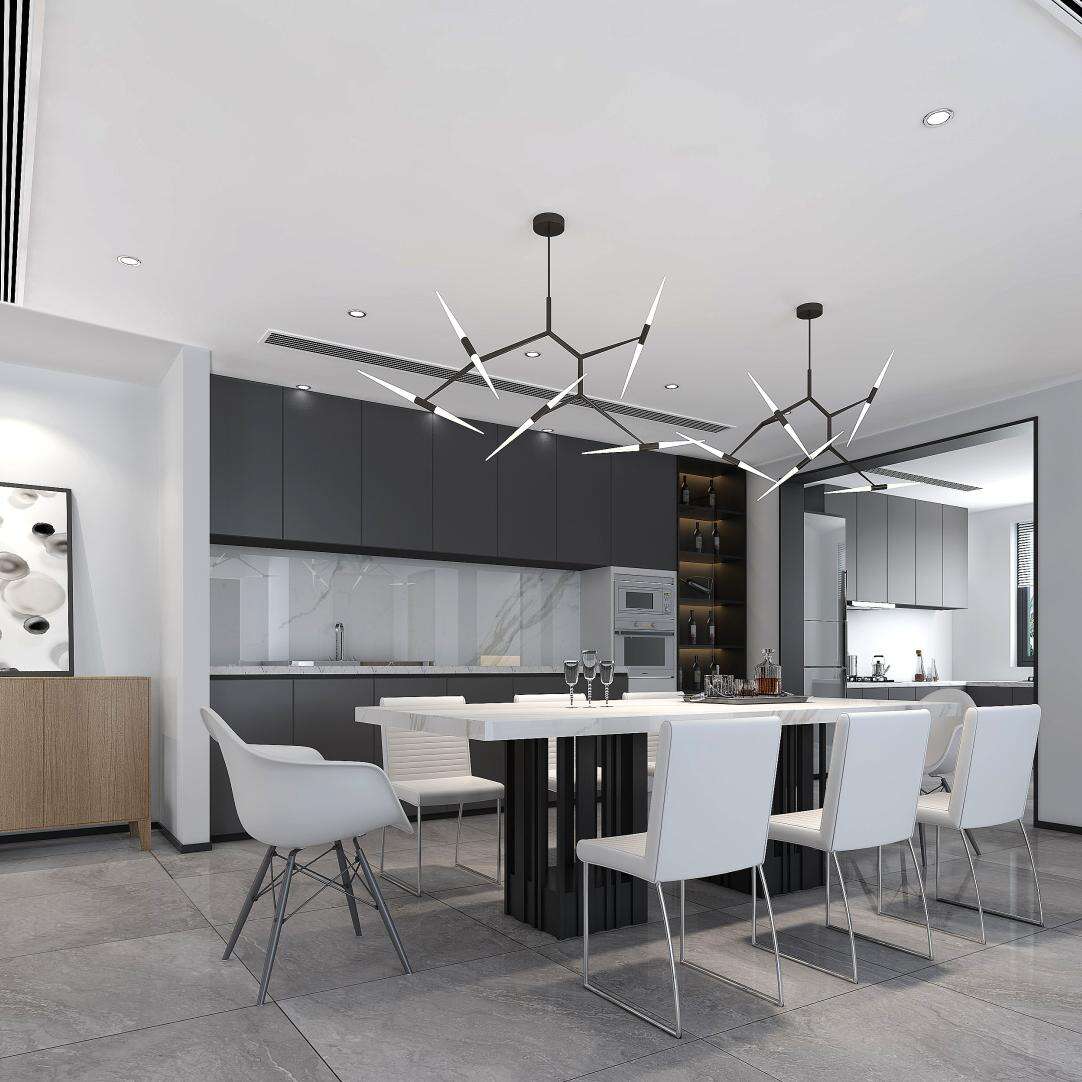
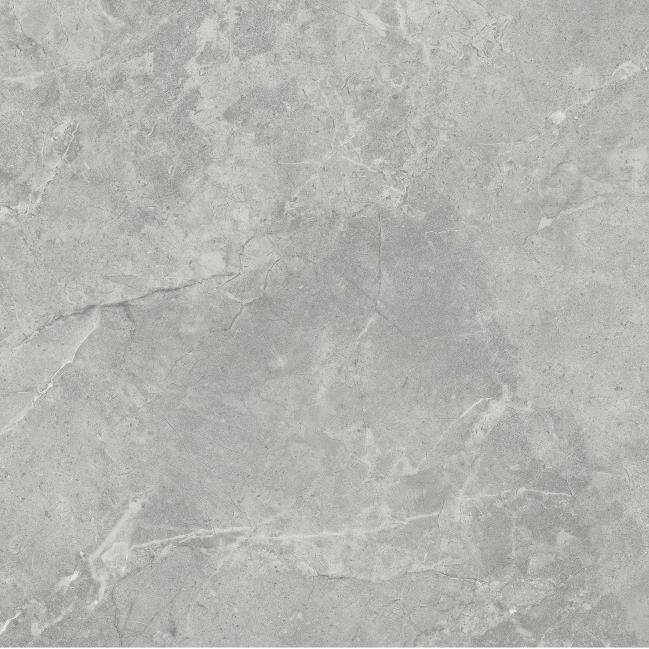
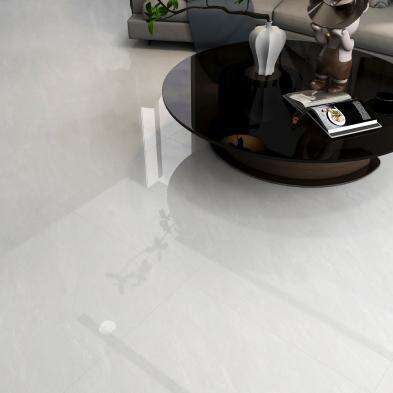
A ceramic tile manufacturer stands as a cornerstone of the modern construction and design industry, specializing in the production of durable, aesthetically pleasing flooring and wall covering solutions. These companies utilize advanced manufacturing processes to transform raw materials like clay, feldspar, and silica into high-quality ceramic products that serve residential, commercial, and industrial applications worldwide. The primary function of a ceramic tile manufacturer involves the systematic processing of natural materials through precise mixing, shaping, glazing, and firing techniques. This comprehensive approach ensures each tile meets stringent quality standards while maintaining consistent dimensions, color uniformity, and structural integrity. Modern ceramic tile manufacturer facilities employ state-of-the-art kilns that reach temperatures exceeding 1000 degrees Celsius, enabling the creation of tiles with exceptional durability and water resistance. The technological features integrated into contemporary manufacturing processes include computer-controlled pressing systems that ensure uniform thickness and density across all products. Advanced glazing techniques allow manufacturers to create tiles with diverse surface textures, from matte finishes to high-gloss surfaces, while digital printing technology enables the reproduction of natural stone, wood grain, and artistic patterns with remarkable accuracy. Quality control systems monitor every stage of production, utilizing automated inspection equipment to detect irregularities and maintain consistent product standards. Applications for ceramic tiles span numerous sectors, including residential bathrooms, kitchens, living spaces, commercial offices, retail establishments, hospitals, schools, and industrial facilities. The versatility of ceramic tiles makes them suitable for both interior and exterior installations, with specialized variants designed for high-traffic areas, wet environments, and temperature-sensitive applications. A professional ceramic tile manufacturer also provides technical support, installation guidelines, and maintenance recommendations to ensure optimal performance throughout the product lifecycle.

New Product Recommendations

Choosing the right ceramic tile manufacturer brings numerous practical benefits that directly impact project success and long-term satisfaction. Quality assurance represents the most significant advantage, as established manufacturers implement rigorous testing protocols that guarantee tiles meet international standards for strength, water absorption, and dimensional accuracy. This commitment to excellence reduces installation problems, minimizes waste, and ensures consistent appearance across large installations. Cost efficiency emerges as another crucial benefit when working with reputable manufacturers. Direct relationships eliminate intermediary markups, while bulk purchasing options and flexible payment terms help control project budgets. Many ceramic tile manufacturer companies offer competitive pricing structures that reward loyalty and volume commitments, making them ideal partners for contractors and large-scale developments. The extensive product range available from major manufacturers provides design flexibility that meets diverse aesthetic requirements. From traditional ceramic formats to modern large-format tiles, manufacturers offer comprehensive collections that include various sizes, colors, textures, and finishes. This variety enables designers and architects to realize their creative visions while maintaining consistency across different project phases. Technical support services distinguish professional manufacturers from basic suppliers. Expert consultation helps customers select appropriate products for specific applications, while installation guidance ensures proper techniques that maximize tile performance. Many manufacturers provide training programs for installers, reducing the risk of application errors that could lead to costly repairs or replacements. Reliable supply chains ensure project continuity by maintaining adequate inventory levels and predictable delivery schedules. Established ceramic tile manufacturer operations invest in logistics infrastructure that supports timely delivery, even for large orders or remote locations. This reliability proves essential for construction projects operating under tight deadlines. Environmental responsibility has become increasingly important, with leading manufacturers adopting sustainable practices that reduce waste, conserve energy, and utilize recycled materials. These eco-friendly approaches appeal to environmentally conscious customers while meeting green building certification requirements. Innovation drives continuous improvement in product performance and manufacturing efficiency. Leading manufacturers invest in research and development to create tiles with enhanced properties like improved stain resistance, easier maintenance, and superior durability. Warranty coverage and after-sales support provide additional peace of mind, with many manufacturers offering extended warranties that demonstrate confidence in product quality while protecting customer investments against defects or premature failure.

Tips And Tricks

How to Select Marble Slab for Luxury Residential Projects

22

Sep

How to Select Marble Slab for Luxury Residential Projects

The Art of Selecting Premium Marble for Upscale Homes In the realm of luxury residential design, few materials command the same level of prestige and timeless elegance as marble slab. This natural stone has graced palaces, monuments, and high-end res...
View More
Why Are Polished Tiles Preferred in Luxury Properties

22

Sep

Why Are Polished Tiles Preferred in Luxury Properties

The Timeless Appeal of Polished Tiles in High-End Real Estate Luxury properties have long been associated with opulent finishes and premium materials that exude sophistication and class. Among these elite design elements, polished tiles stand out as ...
View More
How to Choose Ceramic Tile for Modern Residential Projects

29

Sep

How to Choose Ceramic Tile for Modern Residential Projects

The Art of Selecting Premium Ceramic Surfaces for Contemporary Homes When it comes to transforming living spaces, ceramic tile stands as a testament to the perfect fusion of functionality and aesthetic appeal. Modern residential projects demand mater...
View More
What Makes Marble Slab Ideal for Premium Flooring Projects

05

Nov

What Makes Marble Slab Ideal for Premium Flooring Projects

The Timeless Elegance of Natural Stone Flooring When it comes to creating an atmosphere of luxury and sophistication in any space, few materials can match the inherent beauty and durability of marble slab flooring. This natural stone has graced the h...
View More

Get a Free Quote

Our representative will contact you soon.
Email
Name
Company Name
Message
0/1000

ceramic tile manufacturer

Advanced Manufacturing Technology and Quality Control Systems

Advanced Manufacturing Technology and Quality Control Systems

The cornerstone of any exceptional ceramic tile manufacturer lies in its commitment to cutting-edge manufacturing technology and comprehensive quality control systems. Modern production facilities utilize computer-controlled pressing equipment that ensures unprecedented precision in tile formation, creating products with consistent thickness, density, and dimensional accuracy that meets the most demanding architectural specifications. These sophisticated pressing systems apply uniform pressure across the entire tile surface, eliminating common defects like warping, thickness variations, or weak spots that could compromise installation quality or long-term performance. The firing process represents another technological marvel, where state-of-the-art tunnel kilns maintain precise temperature profiles throughout the firing cycle. These kilns, often spanning several hundred feet in length, gradually heat tiles to optimal temperatures while controlling atmospheric conditions to achieve desired characteristics. Advanced kiln management systems monitor and adjust temperature, humidity, and gas composition in real-time, ensuring consistent firing results that produce tiles with superior strength and uniform coloration. Digital printing technology has revolutionized surface design capabilities, enabling manufacturers to reproduce intricate patterns, natural textures, and photorealistic images with remarkable detail and color accuracy. This technology uses specialized ceramic inks applied through high-resolution printing heads, creating designs that penetrate the tile surface for lasting beauty and durability. Quality control systems integrate automated inspection equipment that examines every tile for dimensional accuracy, surface defects, color consistency, and structural integrity. These systems utilize advanced imaging technology and laser measurement tools to detect variations that human inspectors might miss, ensuring only tiles meeting strict quality standards reach customers. Laboratory testing facilities within manufacturing operations conduct comprehensive evaluations of raw materials, work-in-process samples, and finished products. These tests assess critical properties including water absorption rates, breaking strength, thermal expansion coefficients, and chemical resistance, providing data that validates product performance claims and supports certification requirements.
Comprehensive Product Range and Customization Capabilities

Comprehensive Product Range and Customization Capabilities

A distinguished ceramic tile manufacturer demonstrates its expertise through an extensive product portfolio that addresses diverse market needs while offering customization capabilities that set it apart from competitors. The breadth of available products typically encompasses multiple tile categories, including traditional ceramic tiles, porcelain tiles, decorative tiles, and specialty products designed for specific applications like swimming pools, commercial kitchens, or exterior facades. Size options range from traditional formats like 12x12 inches to contemporary large-format tiles exceeding 48x48 inches, with thickness variations accommodating different installation requirements and load-bearing specifications. Surface finish options provide designers with creative flexibility, encompassing matte, satin, glossy, textured, and anti-slip finishes that serve both aesthetic and functional purposes. Color palettes span from classic neutrals to bold contemporary hues, with many manufacturers offering color-matching services that create custom shades to complement specific design schemes. Pattern capabilities include solid colors, natural stone reproductions, wood grain effects, fabric textures, and artistic designs that transform ordinary spaces into exceptional environments. Customization services distinguish premium manufacturers from basic tile producers, offering capabilities that include custom sizing, special glazing, unique color development, and bespoke pattern creation. These services prove invaluable for signature projects requiring exclusive designs or specific performance characteristics not available in standard product lines. Edge treatment options provide finishing touches that enhance installation quality and visual appeal, including rectified edges for minimal grout lines, beveled edges for traditional aesthetics, and specialty profiles for trim applications. The ability to coordinate complementary products like trim pieces, bullnose tiles, and matching mosaics ensures cohesive design implementation across complex installations. Technical specifications accompany each product variant, providing detailed information about water absorption rates, frost resistance, chemical resistance, slip resistance ratings, and recommended applications. This comprehensive technical documentation enables informed product selection while supporting compliance with building codes and industry standards that govern tile installations in various environments.
Sustainable Manufacturing Practices and Environmental Responsibility

Sustainable Manufacturing Practices and Environmental Responsibility

Environmental stewardship has emerged as a defining characteristic of leading ceramic tile manufacturer operations, reflecting growing awareness of ecological impact and customer demand for sustainable products. Comprehensive sustainability programs encompass raw material sourcing, manufacturing processes, waste management, energy consumption, and product lifecycle considerations that minimize environmental footprint while maintaining superior product quality. Raw material sustainability begins with responsible sourcing practices that prioritize local suppliers to reduce transportation emissions while supporting regional economies. Many manufacturers have established partnerships with quarries and clay suppliers that implement environmentally sound extraction methods, land restoration programs, and habitat preservation initiatives. Recycled content integration represents another significant sustainability achievement, with manufacturers incorporating post-consumer recycled materials, production waste, and industrial byproducts into tile formulations without compromising performance characteristics. Energy efficiency improvements focus on kiln optimization, heat recovery systems, and renewable energy adoption that significantly reduce carbon emissions associated with high-temperature firing processes. Advanced kiln designs capture waste heat for space heating or electricity generation, while solar installations and wind power systems provide clean energy that offsets traditional fossil fuel consumption. Water conservation measures include closed-loop water systems that recycle process water, reducing fresh water consumption while preventing contaminated discharge into local water sources. Manufacturing waste reduction programs have achieved impressive results through innovative recycling techniques that transform production scraps into raw materials for new tile production. These zero-waste initiatives prevent valuable materials from reaching landfills while reducing raw material costs and environmental impact. Green building certification support helps customers achieve LEED points and other sustainability credentials through low-emission products, recycled content documentation, and regional material credits. Many manufacturers provide comprehensive environmental product declarations that quantify lifecycle environmental impacts, enabling informed decision-making for environmentally conscious projects. Packaging innovations utilize recycled materials, minimize packaging volume, and optimize shipping configurations that reduce transportation emissions. Some manufacturers have eliminated plastic packaging materials in favor of biodegradable alternatives or reusable packaging systems that further reduce waste generation. Employee education programs promote environmental awareness and encourage sustainable practices throughout the organization, creating a culture of environmental responsibility that extends beyond manufacturing operations into community engagement and supplier relationships.

Get a Free Quote

Our representative will contact you soon.
Email
Name
Company Name
Message
0/1000