Complete Guide to Ceramic Tile Types: Benefits, Applications, and Performance Features

Get a Free Quote

Our representative will contact you soon.
Email
Name
Company Name
Message
0/1000

ceramic tile types

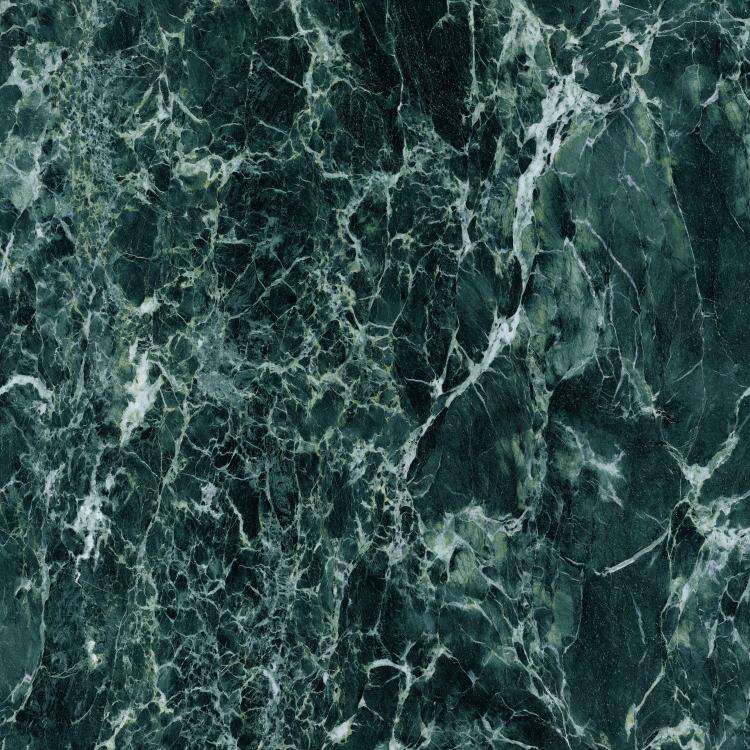
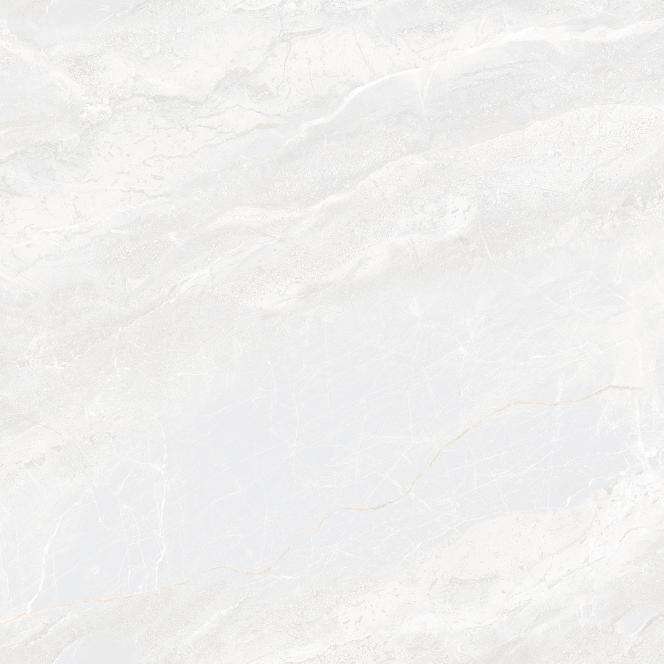
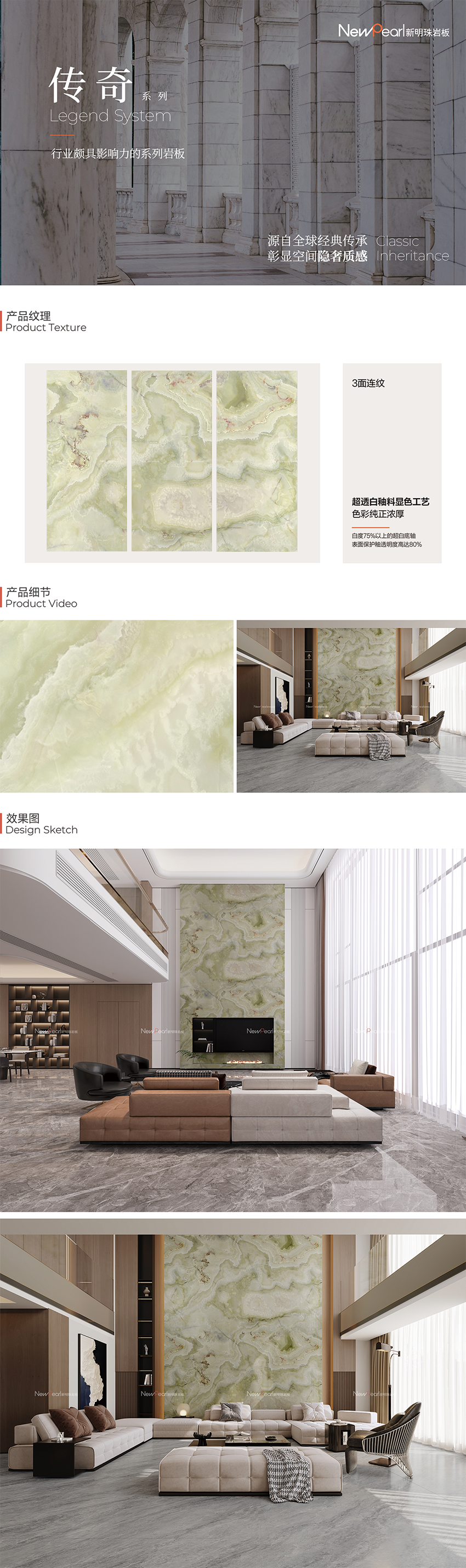
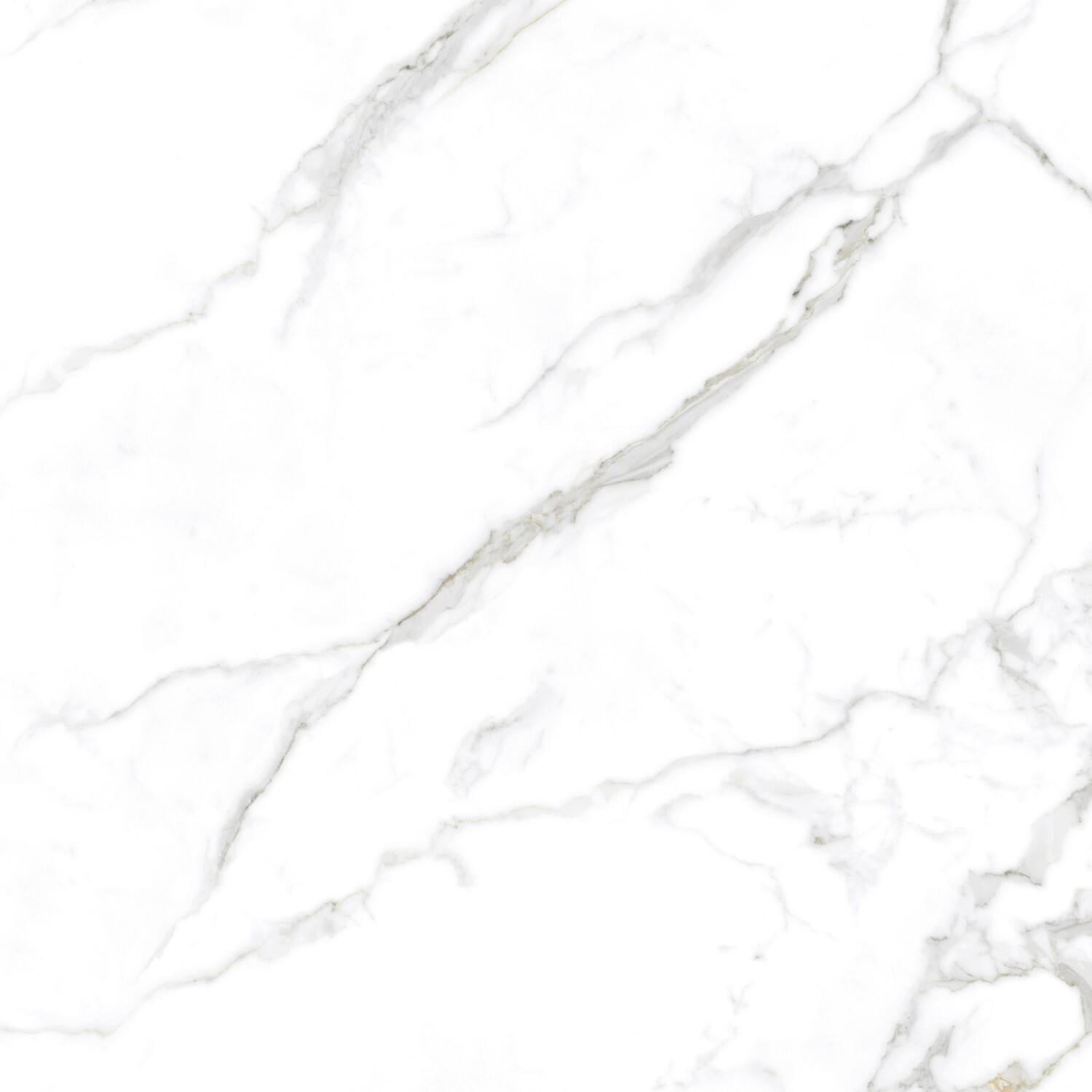
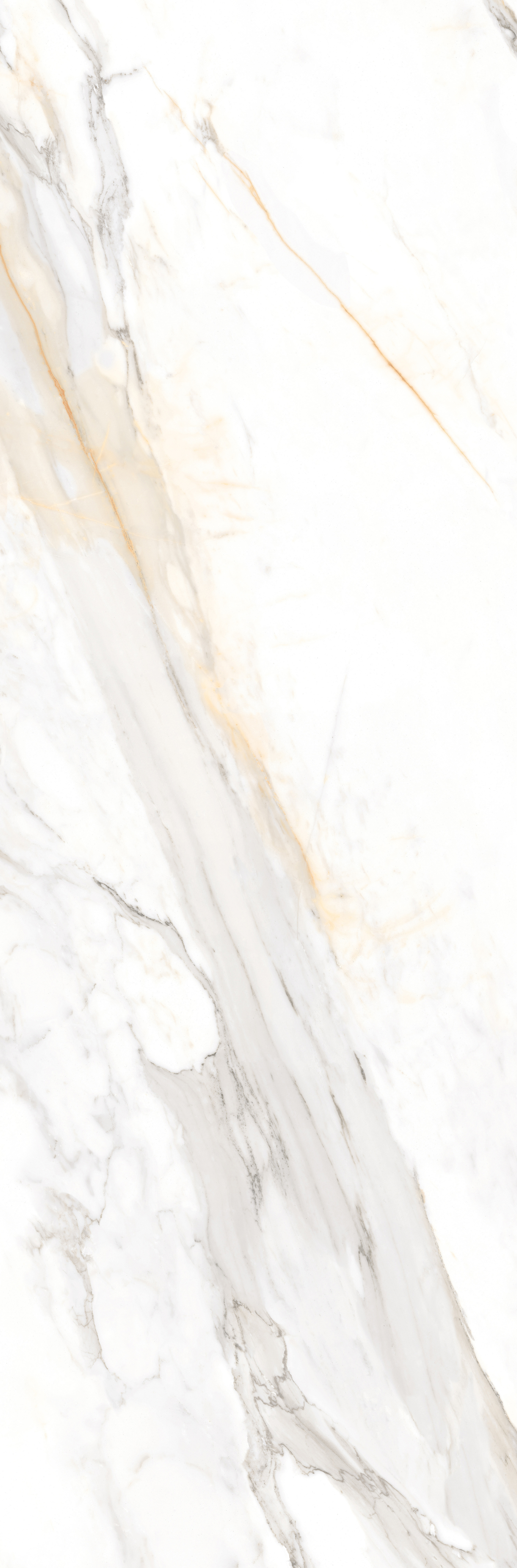
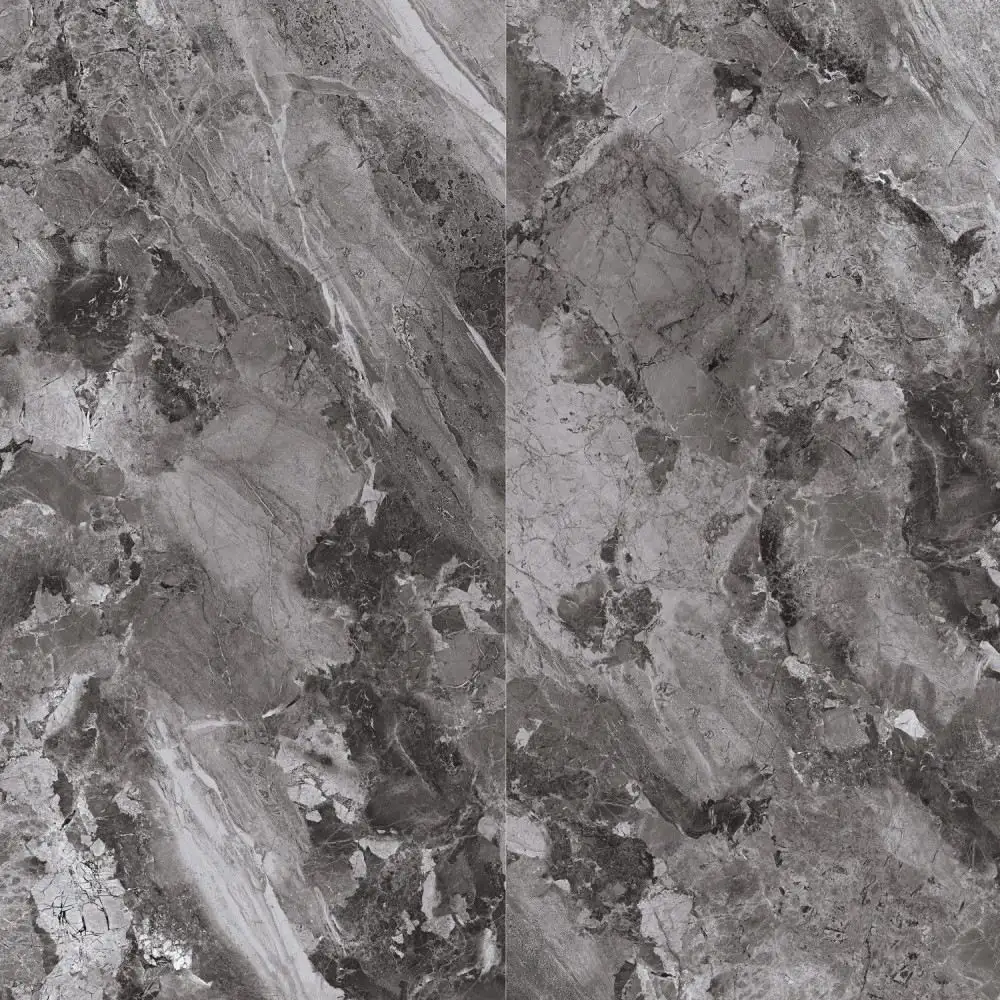
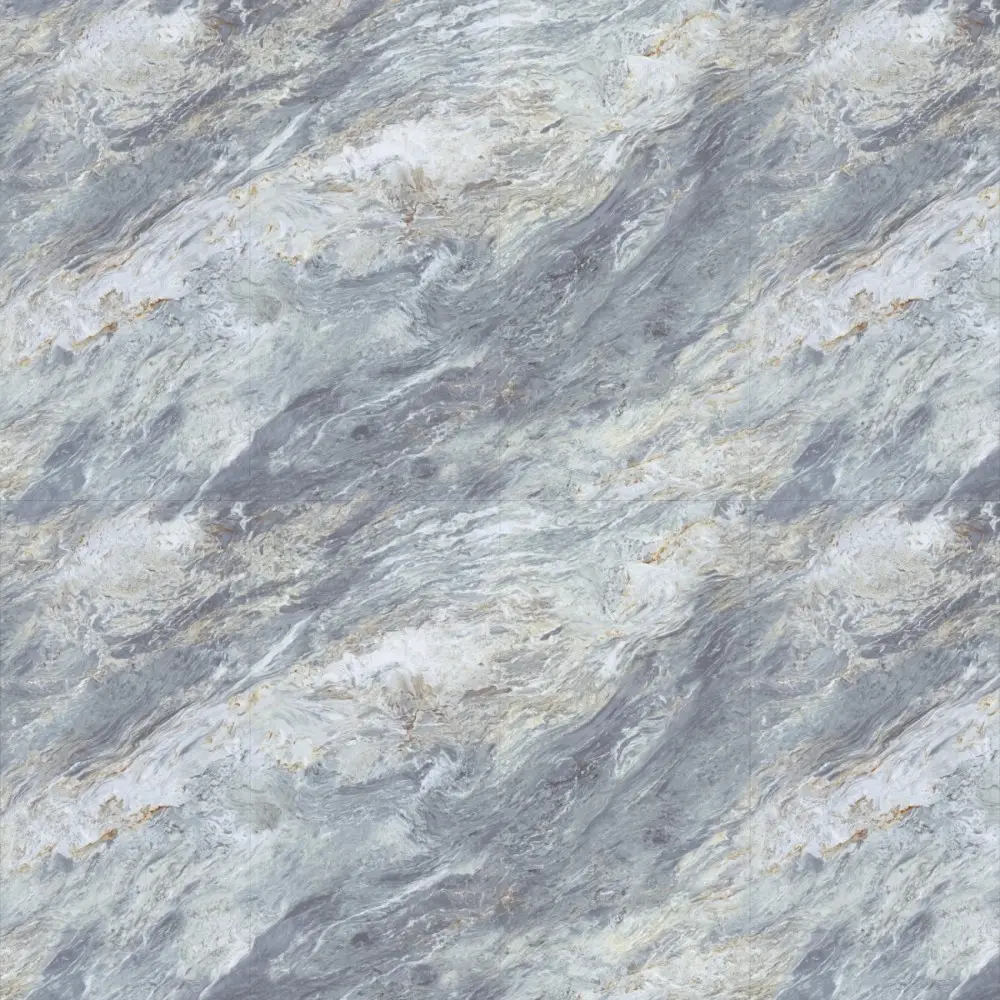
Ceramic tile types represent one of the most versatile and durable flooring and wall covering solutions available in today's construction and renovation markets. These fired clay products undergo high-temperature manufacturing processes that create distinct characteristics across various ceramic tile types, making them suitable for residential, commercial, and industrial applications. The fundamental technology behind ceramic tile types involves mixing natural clay materials with minerals and water, then subjecting the mixture to extreme heat in specialized kilns. This process transforms raw materials into hard, non-porous surfaces that resist moisture, stains, and wear. Different ceramic tile types emerge from variations in clay composition, firing temperatures, glazing techniques, and surface treatments. Glazed ceramic tile types feature protective surface coatings that enhance color retention and provide additional water resistance, while unglazed varieties offer natural textures and slip-resistant properties. Porcelain ceramic tile types represent premium options within the ceramic family, manufactured at higher temperatures and featuring denser compositions that deliver superior strength and water absorption rates below 0.5 percent. Wall ceramic tile types typically measure thinner than floor variants, optimized for vertical installation with lighter weight characteristics. Floor ceramic tile types incorporate thicker profiles and enhanced durability ratings to withstand foot traffic and heavy loads. Mosaic ceramic tile types combine small individual pieces into decorative patterns, enabling creative design possibilities for backsplashes, accent walls, and artistic installations. Large format ceramic tile types minimize grout lines and create seamless appearances across expansive surfaces. Textured ceramic tile types provide enhanced grip for safety-critical areas like bathrooms and pool decks. The manufacturing precision of modern ceramic tile types ensures consistent dimensions, enabling professional installation with minimal waste and optimal visual results across diverse architectural projects.

New Product Recommendations

Ceramic tile types deliver exceptional value through their outstanding durability characteristics that significantly outperform many alternative flooring materials. These surfaces resist scratching, chipping, and fading under normal use conditions, maintaining their original appearance for decades without requiring replacement. The water-resistant properties of ceramic tile types make them ideal choices for bathrooms, kitchens, and other moisture-prone areas where wood or carpet would deteriorate rapidly. Homeowners appreciate how ceramic tile types require minimal maintenance compared to natural stone or hardwood surfaces that demand regular sealing, polishing, or refinishing treatments. Simple cleaning routines involving standard household cleaners keep ceramic tile types looking pristine without specialized products or professional services. The hygienic benefits of ceramic tile types stem from their non-porous glazed surfaces that prevent bacteria, mold, and allergen accumulation, creating healthier indoor environments for families with respiratory sensitivities. Fire resistance represents another crucial advantage, as ceramic tile types will not burn or emit toxic fumes during emergencies, contributing to overall home safety. Design flexibility allows ceramic tile types to complement any decorating style, from traditional to contemporary aesthetics, with countless color, pattern, and texture options available. Cost-effectiveness emerges over time as ceramic tile types eliminate recurring expenses associated with carpet replacement, hardwood refinishing, or natural stone maintenance procedures. Installation versatility enables ceramic tile types to be applied over various substrate materials including concrete, plywood, and existing tile surfaces with proper preparation. Temperature stability ensures ceramic tile types perform consistently across climate variations without expanding, contracting, or warping like some organic materials. The resale value enhancement provided by quality ceramic tile types installations often exceeds initial investment costs, making them smart long-term financial decisions. Environmental sustainability benefits include recyclability potential and reduced waste generation compared to shorter-lifespan flooring alternatives that require frequent replacement cycles.

Practical Tips

How to Choose Wall Tiles for Modern Home Renovations

22

Sep

How to Choose Wall Tiles for Modern Home Renovations

Transform Your Living Space with Contemporary Wall Tile Design The art of selecting wall tiles has evolved significantly in modern home design. Today's wall tiles offer an incredible array of possibilities, from sleek minimalist options to bold artis...
View More
Why Are Polished Tiles Preferred in Luxury Properties

22

Sep

Why Are Polished Tiles Preferred in Luxury Properties

The Timeless Appeal of Polished Tiles in High-End Real Estate Luxury properties have long been associated with opulent finishes and premium materials that exude sophistication and class. Among these elite design elements, polished tiles stand out as ...
View More
What Are the Advantages of Large-Format Wall Tiles

23

Oct

What Are the Advantages of Large-Format Wall Tiles

Transform Your Space with Modern Wall Design Solutions The world of interior design is constantly evolving, and one trend that has firmly established itself in recent years is the use of large-format wall tiles. These impressive architectural element...
View More
What Makes Marble Slab Ideal for Premium Flooring Projects

05

Nov

What Makes Marble Slab Ideal for Premium Flooring Projects

The Timeless Elegance of Natural Stone Flooring When it comes to creating an atmosphere of luxury and sophistication in any space, few materials can match the inherent beauty and durability of marble slab flooring. This natural stone has graced the h...
View More

Get a Free Quote

Our representative will contact you soon.
Email
Name
Company Name
Message
0/1000

ceramic tile types

Superior Water Resistance and Moisture Protection

Superior Water Resistance and Moisture Protection

The exceptional water resistance capabilities of ceramic tile types stem from advanced manufacturing processes that create virtually impermeable surfaces, making them the preferred choice for wet areas throughout residential and commercial properties. During production, ceramic tile types undergo high-temperature firing that vitrifies clay particles into dense, non-porous structures that effectively repel water penetration. This technological advancement ensures that properly installed ceramic tile types maintain their structural integrity even under continuous moisture exposure, preventing the warping, swelling, or deterioration commonly experienced with organic flooring materials. Glazed ceramic tile types feature additional protective barriers through specialized surface coatings that seal microscopic pores and create smooth, easy-to-clean finishes. These glazing techniques enhance the natural water resistance of ceramic tile types while providing decorative color and pattern options that remain stable under humid conditions. The practical benefits extend beyond basic water resistance to include protection against staining from spills, splashes, and cleaning products that would permanently damage unsealed surfaces. Bathroom installations demonstrate the superior moisture protection of ceramic tile types, where steam, humidity, and direct water contact create challenging environments for many materials. Kitchen applications benefit from grease and liquid spill resistance that allows immediate cleanup without absorption or staining concerns. Pool areas and outdoor installations showcase how ceramic tile types withstand freeze-thaw cycles and constant moisture without cracking or surface degradation. The low water absorption rates of quality ceramic tile types, often below one percent for porcelain varieties, meet strict building codes for wet area installations and provide long-term performance assurance. Professional installers recognize that proper waterproofing systems combined with water-resistant ceramic tile types create comprehensive moisture barriers that protect underlying structures from costly water damage repairs.
Exceptional Durability and Long-Term Performance

Exceptional Durability and Long-Term Performance

The remarkable durability characteristics of ceramic tile types result from carefully controlled manufacturing processes that transform natural clay materials into surfaces capable of withstanding decades of heavy use without significant wear or appearance degradation. Advanced kiln technology subjects ceramic tile types to temperatures exceeding 2000 degrees Fahrenheit, creating molecular bonds within the material structure that deliver exceptional hardness ratings and impact resistance superior to many natural stone alternatives. This manufacturing precision ensures consistent quality across production batches, enabling ceramic tile types to meet rigorous industry standards for residential and commercial applications. The surface hardness of ceramic tile types, typically rating between 7-9 on the Mohs scale, provides excellent resistance to scratching from furniture movement, pet claws, and normal household activities that would damage softer flooring materials. Heavy commercial traffic areas benefit from the load-bearing capabilities of ceramic tile types, which maintain their appearance and structural integrity under constant foot traffic, rolling loads, and equipment movement. The color stability of ceramic tile types prevents fading from ultraviolet light exposure, ensuring outdoor installations and sun-filled interior spaces retain their original aesthetic appeal throughout their service life. Thermal shock resistance allows ceramic tile types to withstand rapid temperature changes without cracking, making them suitable for areas near fireplaces, heating vents, and outdoor applications subject to weather extremes. Chemical resistance properties protect ceramic tile types from damage caused by household cleaners, pool chemicals, and industrial substances that would etch or stain other surfaces. The dimensional stability of ceramic tile types prevents expansion and contraction issues that cause cracking or buckling in other flooring materials during seasonal climate variations. Quality ceramic tile types installations often exceed 50-year service lives with proper maintenance, providing exceptional return on investment compared to flooring alternatives requiring replacement every 10-15 years.
Easy Maintenance and Hygienic Properties

Easy Maintenance and Hygienic Properties

The low-maintenance characteristics of ceramic tile types make them ideal choices for busy households and commercial facilities where cleaning efficiency directly impacts operational costs and sanitation standards. The smooth, non-porous surfaces of glazed ceramic tile types prevent dirt, bacteria, and stains from penetrating below the surface level, enabling quick and thorough cleaning with standard household products or commercial cleaners. This ease of maintenance translates into significant time savings for property owners who can maintain pristine appearances without specialized cleaning equipment, professional services, or expensive maintenance products required by other flooring materials. The hygienic advantages of ceramic tile types stem from their ability to resist microbial growth, making them preferred surfaces for healthcare facilities, restaurants, and residential areas where sanitation remains paramount. Unlike porous materials that harbor allergens and bacteria within their structure, ceramic tile types provide smooth surfaces that support effective disinfection protocols through standard cleaning procedures. The chemical resistance of ceramic tile types allows safe use of strong disinfectants and sanitizing solutions without surface damage or color degradation, ensuring consistent cleanliness standards can be maintained throughout the material's service life. Stain resistance properties eliminate concerns about permanent discoloration from spills, pet accidents, or tracked-in dirt that would require professional restoration services with other flooring types. The grout lines between ceramic tile types can be sealed and maintained easily, preventing moisture and soil accumulation that creates cleaning challenges with alternative installation methods. Regular maintenance routines for ceramic tile types involve simple sweeping, mopping, and occasional grout cleaning that requires no special skills or equipment, making them suitable for any maintenance capability level. The allergen-free properties of ceramic tile types benefit households with family members suffering from respiratory sensitivities, as these surfaces do not trap dust, pollen, or pet dander like carpeted areas. Professional cleaning services appreciate working with ceramic tile types because standard equipment and techniques achieve excellent results without risk of damage from aggressive cleaning methods or harsh chemicals.

Get a Free Quote

Our representative will contact you soon.
Email
Name
Company Name
Message
0/1000