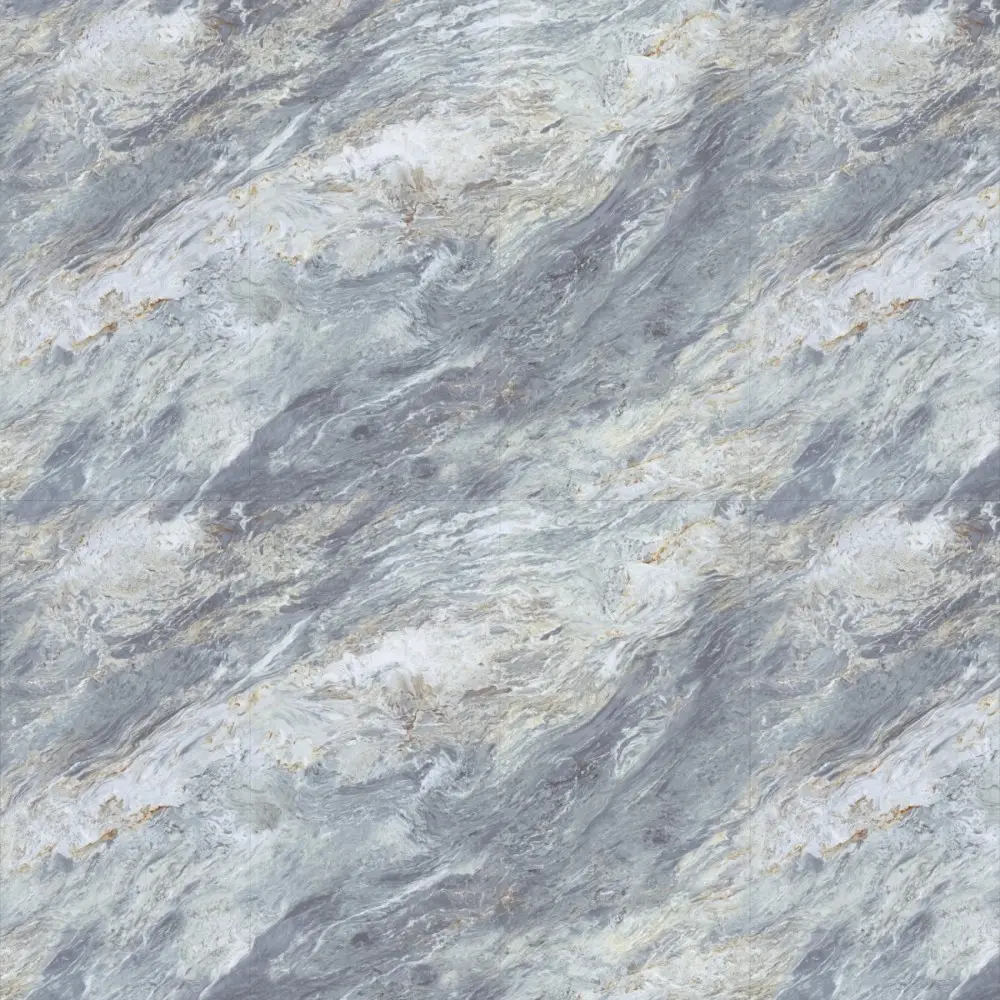
commercial ceramic tile flooring
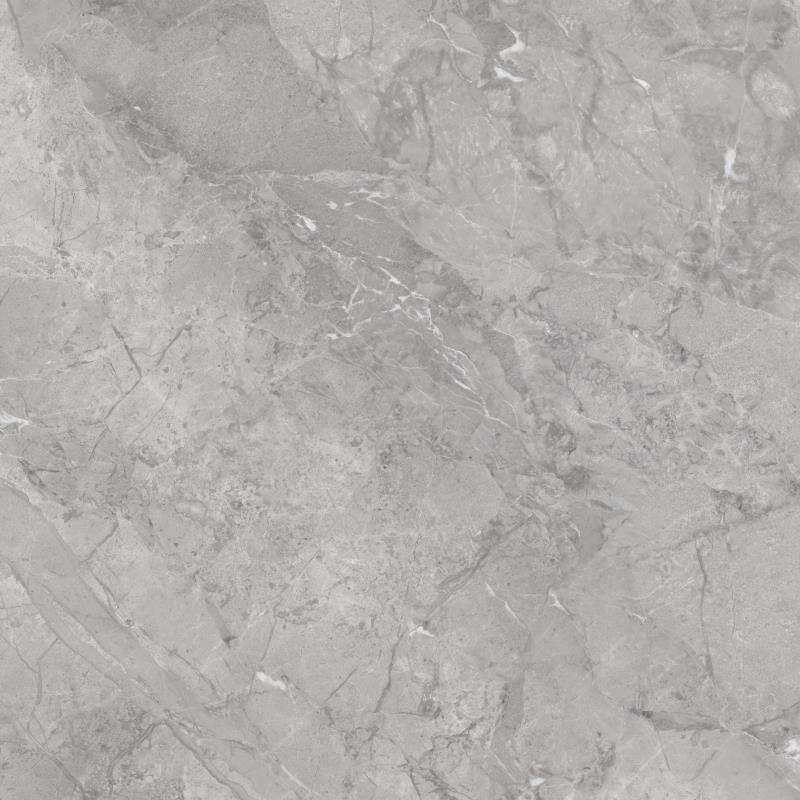
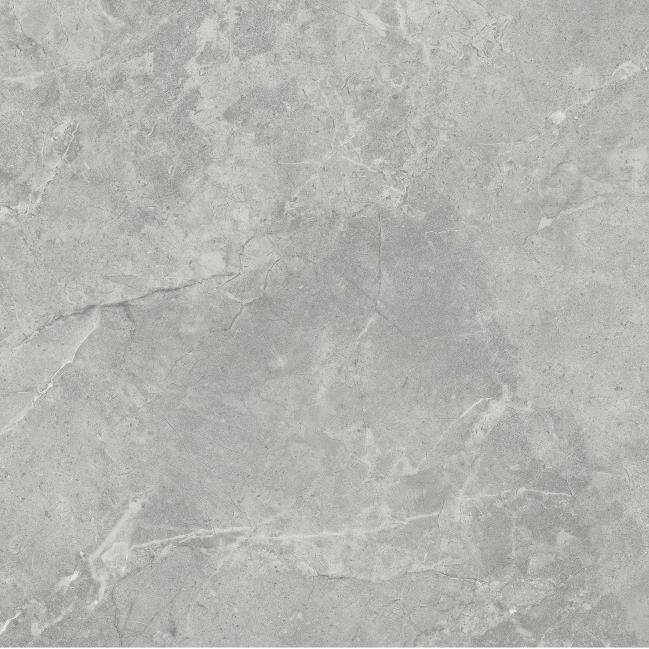
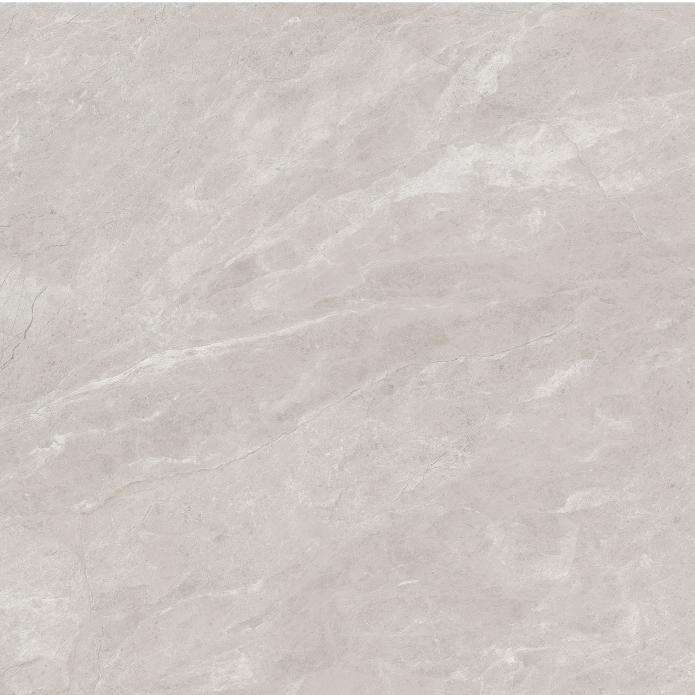
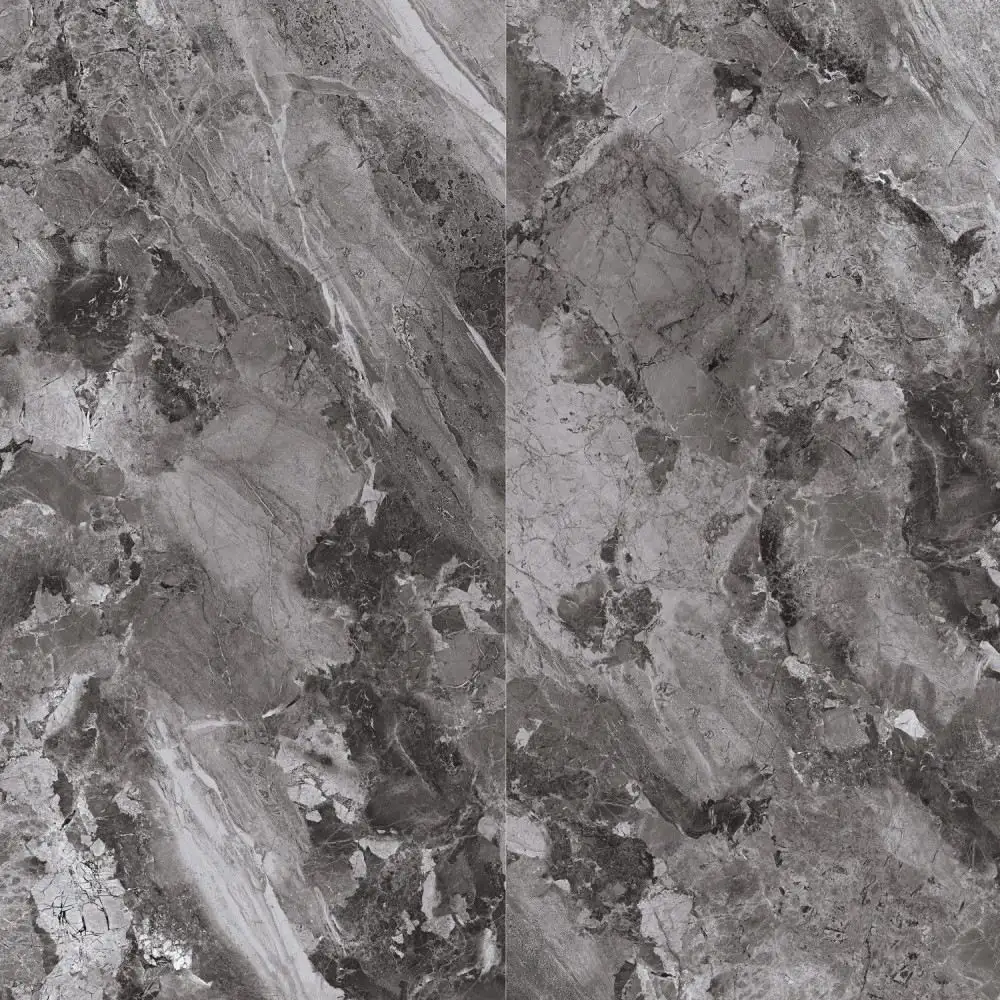
Commercial ceramic tile flooring represents a premium solution designed specifically for high-traffic business environments where durability, aesthetics, and functionality converge. This sophisticated flooring system utilizes advanced ceramic manufacturing processes to create tiles that withstand the demanding requirements of commercial spaces while maintaining visual appeal and operational efficiency. The main functions of commercial ceramic tile flooring extend beyond basic surface coverage to encompass moisture resistance, slip prevention, thermal regulation, and long-term structural integrity. These floors serve as protective barriers against wear, chemical exposure, and environmental stressors that typically plague commercial establishments. The technological features of commercial ceramic tile flooring include precision-engineered surfaces with controlled porosity levels, enhanced firing techniques that increase molecular density, and specialized glazing systems that provide superior stain resistance. Advanced manufacturing processes incorporate digital printing technology, allowing for realistic textures and patterns that mimic natural materials while surpassing their performance characteristics. The slip-resistant properties result from micro-textured surfaces created during production, ensuring safety compliance in wet conditions. Applications for commercial ceramic tile flooring span diverse industries and environments, including retail stores, restaurants, healthcare facilities, educational institutions, office buildings, and hospitality venues. These tiles excel in areas requiring frequent cleaning, such as food service establishments, where hygiene standards demand non-porous surfaces that resist bacterial growth. The versatility of commercial ceramic tile flooring makes it suitable for both interior and exterior applications, with specific formulations designed to withstand freeze-thaw cycles and extreme temperature variations. Installation flexibility allows for various layouts and design patterns, accommodating architectural requirements while maintaining structural performance standards that meet commercial building codes and safety regulations.
 EN
EN