ecofriendly tile
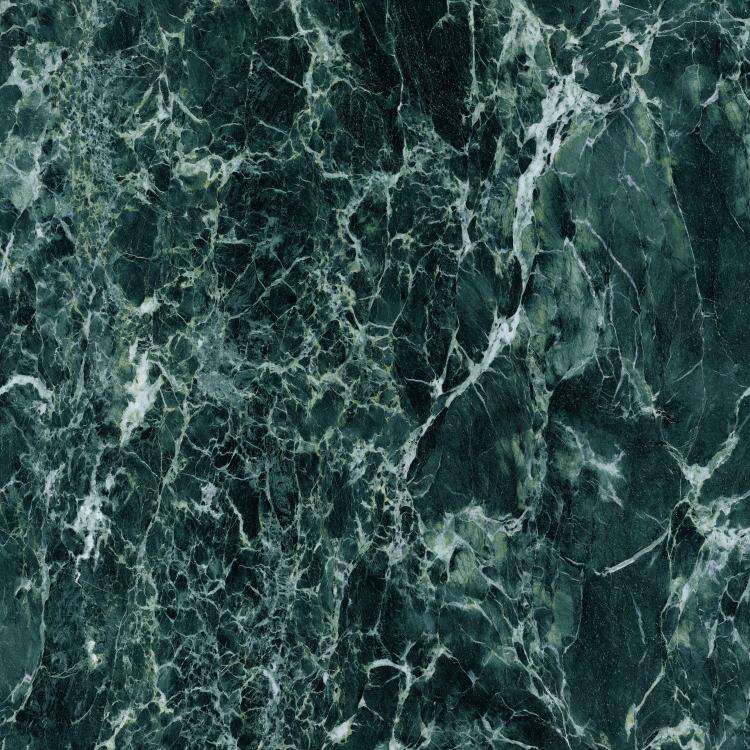
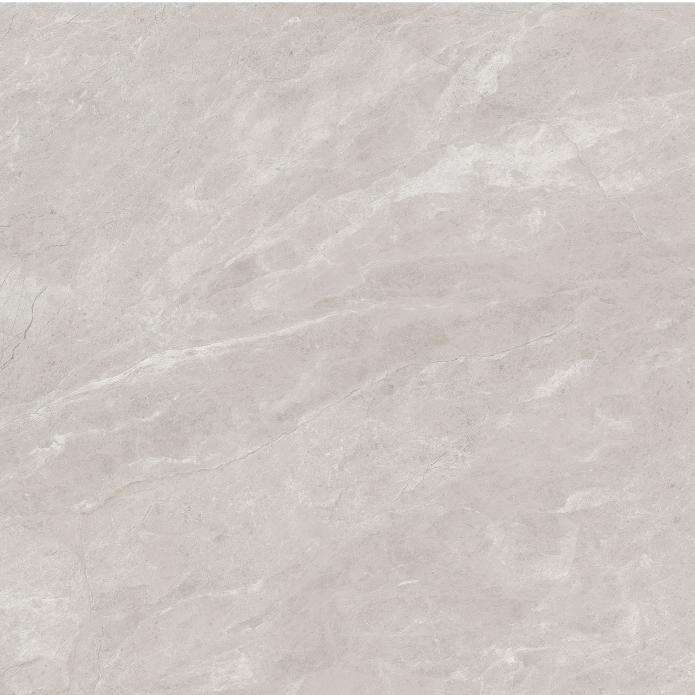
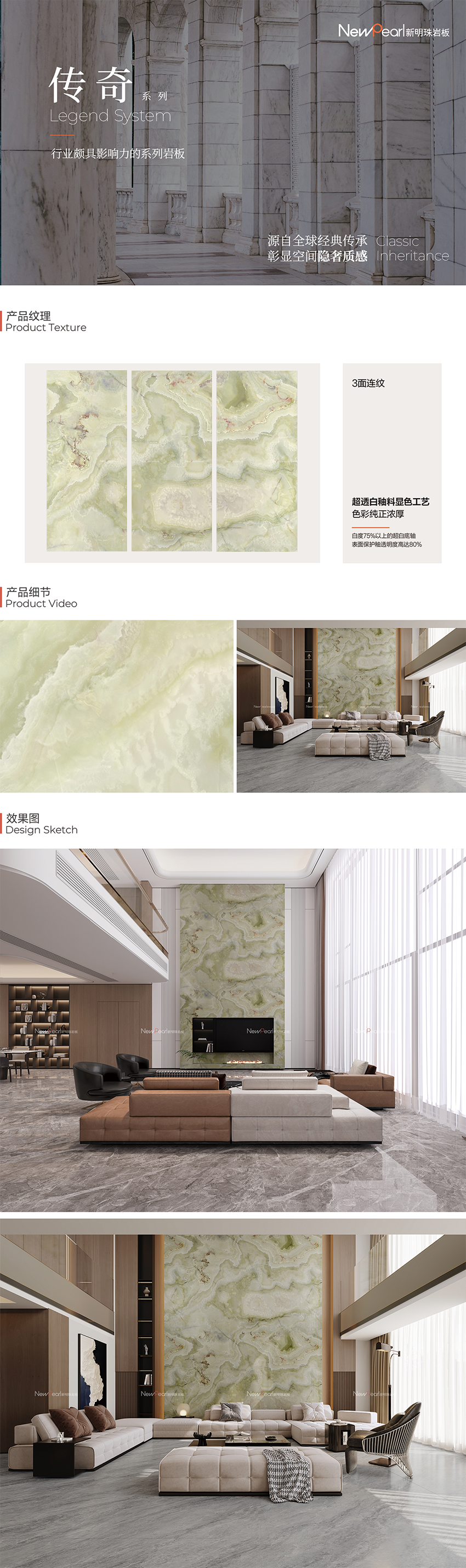
Ecofriendly tile represents a revolutionary advancement in sustainable construction materials, combining environmental responsibility with exceptional performance characteristics. These innovative tiles are manufactured using recycled materials, renewable resources, and low-impact production processes that significantly reduce carbon footprint compared to traditional ceramic or porcelain alternatives. The core functionality of ecofriendly tile extends beyond mere surface covering, incorporating advanced features such as air purification capabilities, moisture regulation, and thermal insulation properties that enhance indoor environmental quality. Technologically, these tiles utilize cutting-edge manufacturing techniques including bio-based binders, recycled glass aggregates, and natural mineral compositions that create durable, long-lasting surfaces without compromising ecological integrity. The production process employs energy-efficient kilns, water recycling systems, and waste reduction protocols that minimize environmental impact while maintaining superior quality standards. Applications for ecofriendly tile span residential, commercial, and industrial sectors, making them suitable for kitchens, bathrooms, living spaces, office buildings, retail establishments, and healthcare facilities. The versatile design options include various textures, colors, and finishes that complement contemporary architectural styles while supporting green building certifications such as LEED and BREEAM. Installation procedures follow standard tiling practices, ensuring compatibility with existing construction methods and tools. The dimensional stability and thermal shock resistance of ecofriendly tile make them particularly suitable for high-traffic areas and environments with temperature fluctuations. These tiles demonstrate exceptional chemical resistance, stain resistance, and slip resistance properties that ensure safety and longevity in diverse applications. The manufacturing process incorporates post-consumer recycled content, including recycled ceramics, glass, and other industrial waste materials, contributing to circular economy principles and waste reduction initiatives.
 EN
EN