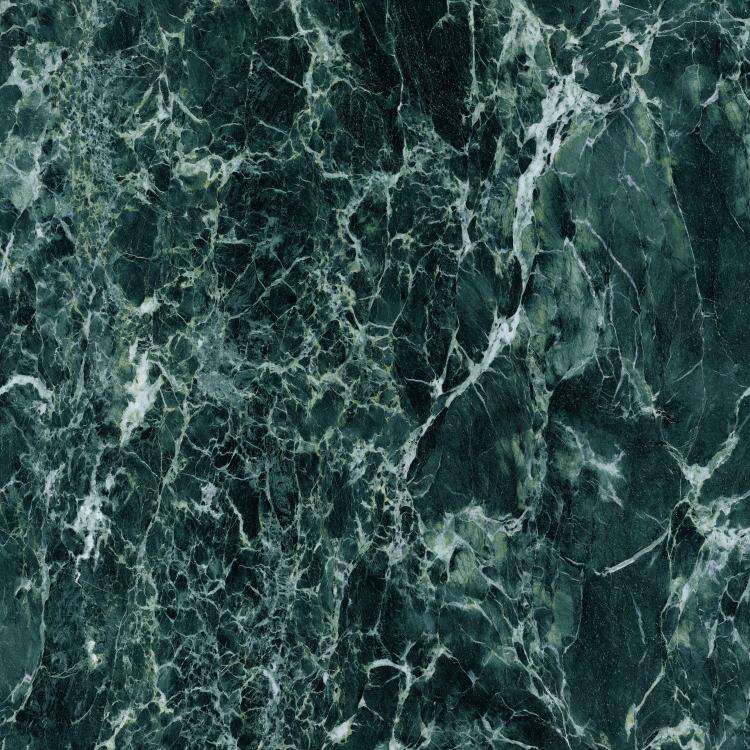
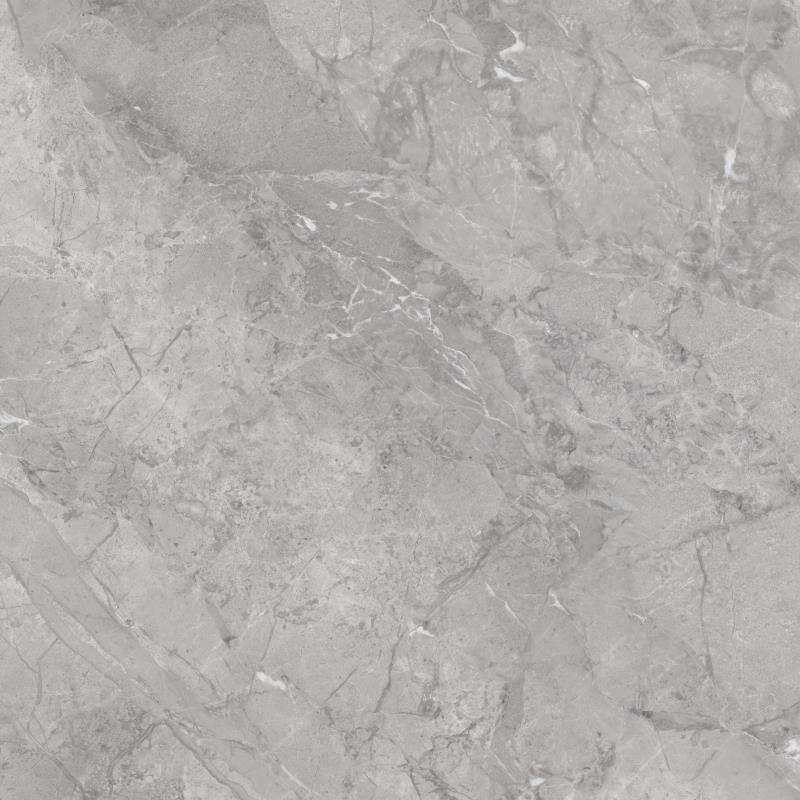
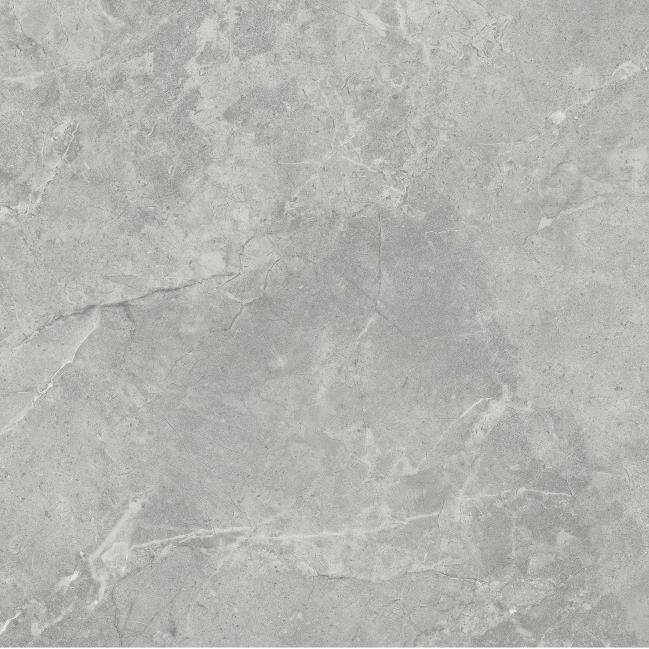
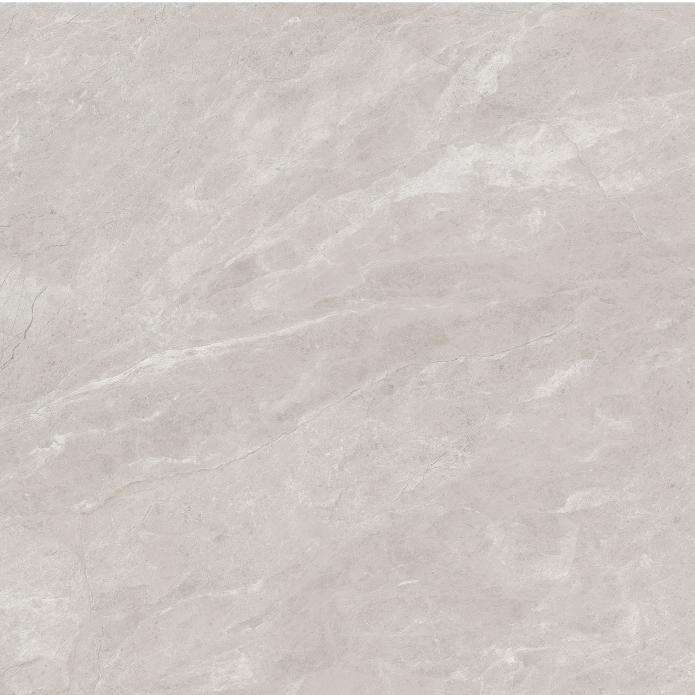
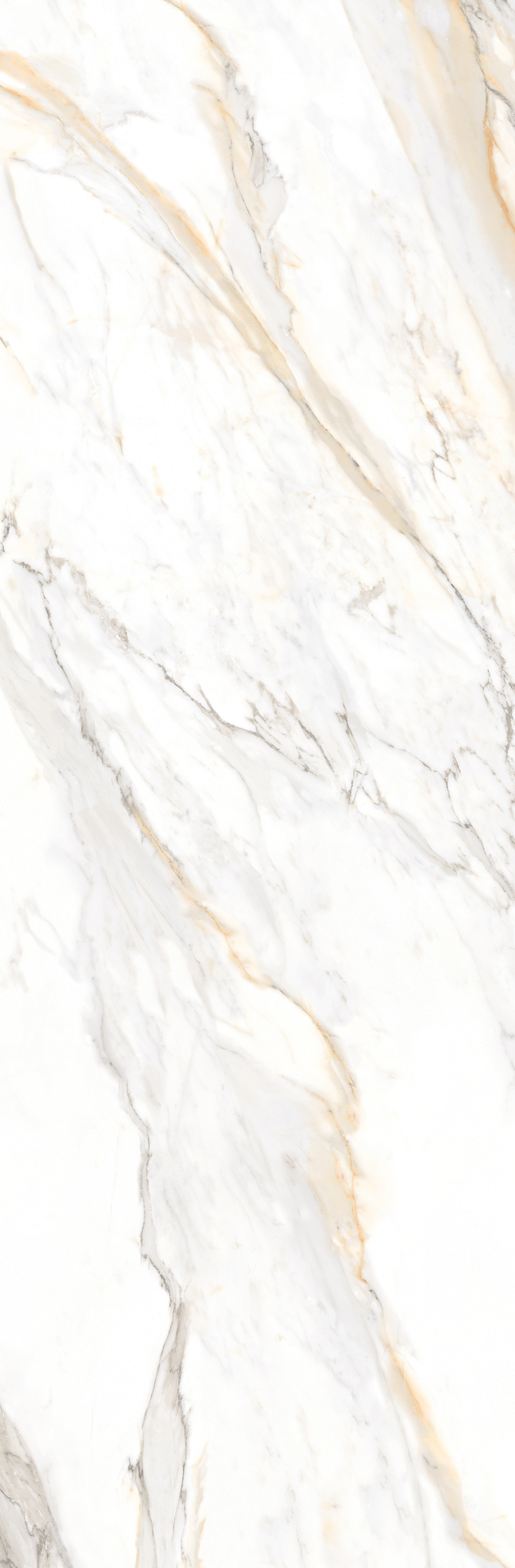
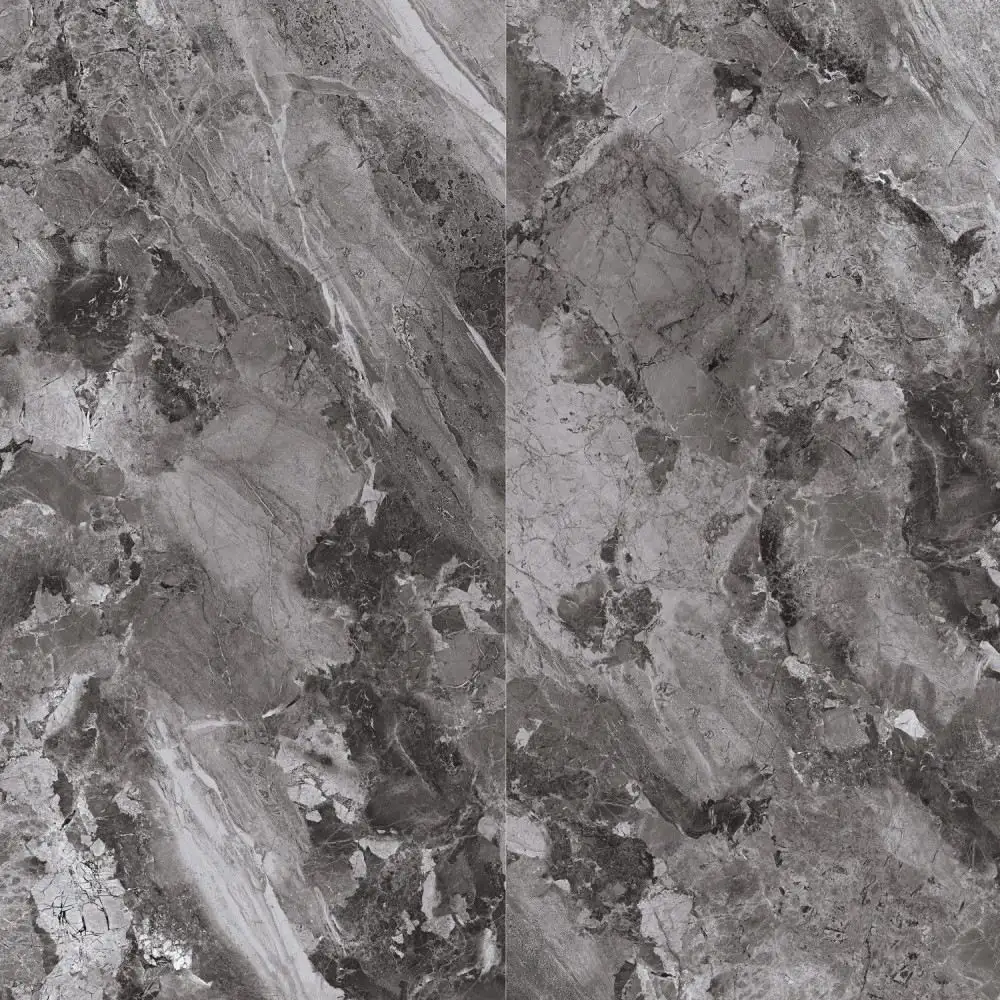
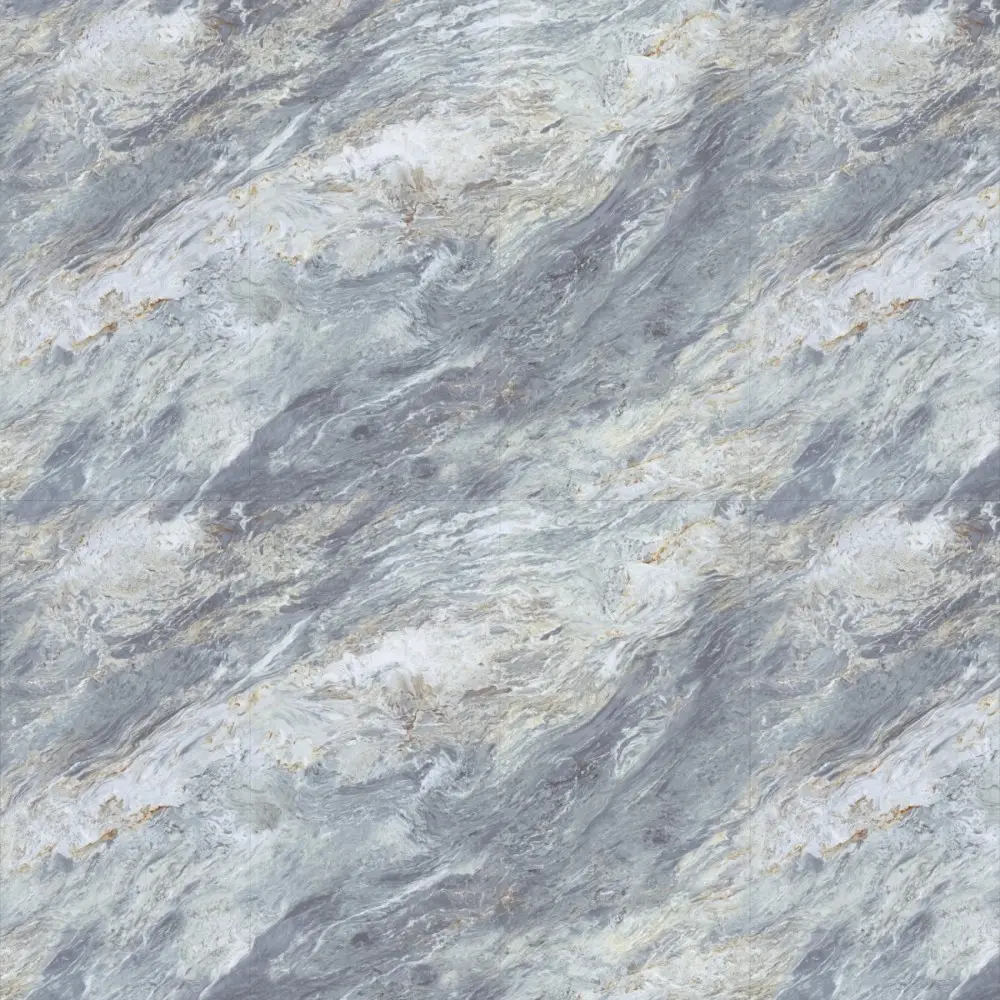
white ceramic wall tiles
White ceramic wall tiles represent one of the most versatile and enduring solutions for modern interior design and construction projects. These sophisticated building materials combine exceptional durability with timeless aesthetic appeal, making them an ideal choice for residential, commercial, and institutional applications. White ceramic wall tiles are manufactured through an advanced process that involves firing refined clay and other natural materials at extremely high temperatures, typically ranging from 1200 to 1300 degrees Celsius. This intensive firing process creates a dense, non-porous surface that delivers outstanding performance characteristics. The main functions of white ceramic wall tiles extend far beyond simple wall coverage. They provide essential moisture protection, creating an impermeable barrier that prevents water damage and mold growth in bathrooms, kitchens, and other humid environments. Their smooth, glazed surface offers exceptional hygiene benefits, as bacteria and germs cannot penetrate the sealed surface, making cleaning and sanitization effortless. Technologically, white ceramic wall tiles feature advanced glazing techniques that ensure color consistency and surface uniformity across large installations. Modern manufacturing processes incorporate precision cutting and calibrated sizing, ensuring perfect alignment during installation. The glazed surface provides superior stain resistance and chemical durability, maintaining its pristine appearance even after years of exposure to cleaning agents and daily wear. Applications for white ceramic wall tiles span numerous sectors, from luxury hotels and healthcare facilities to modern homes and commercial kitchens. Their neutral white color serves as an excellent foundation for various design schemes, allowing architects and designers to create sophisticated spaces that feel both contemporary and timeless. The reflective properties of white ceramic wall tiles help maximize natural light distribution, creating brighter, more inviting environments while potentially reducing artificial lighting requirements.
 EN
EN