EN
EN

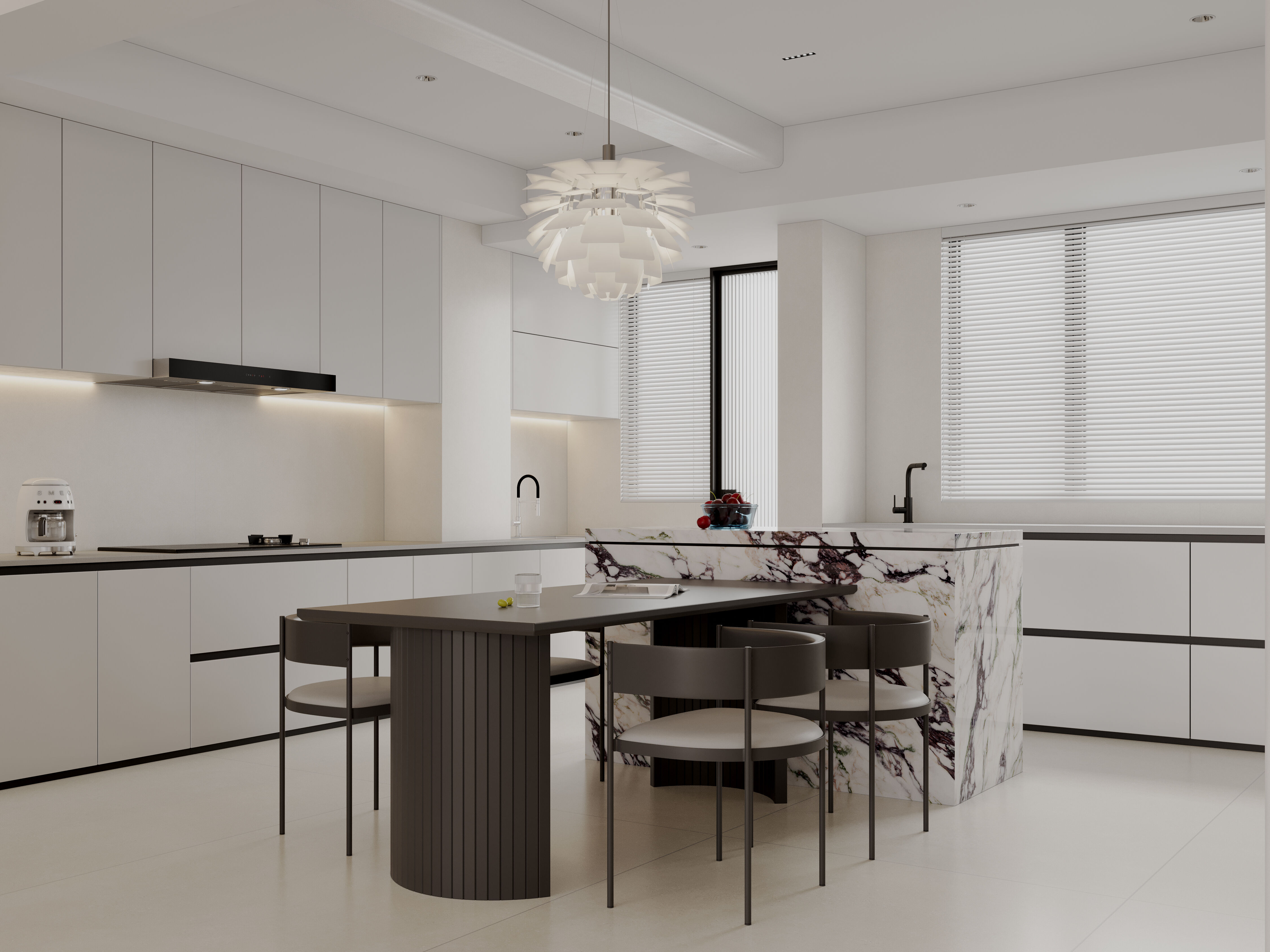
When designing luxury residential or commercial spaces, selecting the right flooring material requires careful consideration of durability, aesthetics, and long-term performance. Surface hardness evaluation plays a crucial role in determining which materials can withstand daily wear while maintaining their elegant appearance. Among premium flooring options, marble slabs have emerged as the gold standard for high-end applications, offering an exceptional combination of natural beauty and structural integrity that sets them apart from alternative materials.

The architectural industry has witnessed a growing demand for premium flooring solutions that deliver both visual impact and practical functionality. Professional designers and property developers increasingly recognize that marble slabs provide unmatched versatility for creating sophisticated interior environments. These natural stone surfaces offer superior hardness characteristics that enable them to maintain their pristine condition even in high-traffic commercial settings, making them an intelligent investment for discerning clients who prioritize quality and longevity.
Understanding Surface Hardness in Natural Stone Materials
Scientific Measurement Standards for Stone Hardness
Surface hardness measurement in natural stone follows established scientific protocols that provide reliable data for material selection decisions. The Mohs scale represents the primary testing method used throughout the industry, ranking materials from one to ten based on their resistance to scratching and abrasion. Marble slabs typically achieve ratings between three and four on this scale, indicating sufficient hardness for most residential and commercial flooring applications while remaining workable for precision cutting and finishing processes.
Professional testing laboratories employ additional measurement techniques beyond the basic Mohs evaluation to provide comprehensive hardness assessments. Schmidt hammer testing determines surface rebound hardness, while Vickers indentation testing measures microhardness characteristics at the material's surface level. These advanced testing methods help architects and contractors make informed decisions when specifying marble slabs for demanding installation environments where superior performance is essential.
Factors Influencing Natural Stone Hardness Properties
The geological formation process significantly influences the final hardness characteristics of marble slabs, with metamorphic conditions determining crystal structure density and mineral composition. Temperature and pressure variations during formation create distinctive hardness patterns within individual stone blocks, resulting in unique performance characteristics that skilled craftsmen can leverage during fabrication and installation processes. Understanding these natural variations enables proper material selection for specific project requirements.
Mineral composition plays a fundamental role in determining overall hardness levels, with calcite and dolomite content directly affecting surface durability and scratch resistance. High-quality marble slabs contain balanced mineral compositions that provide optimal hardness while preserving the natural beauty and workability that make these materials desirable for luxury applications. Professional quarrying operations carefully select blocks based on comprehensive hardness testing to ensure consistent performance characteristics throughout production runs.
Comparative Analysis of Marble Slabs Versus Alternative Materials
Performance Evaluation Against Ceramic and Porcelain Tiles
When comparing surface hardness characteristics, marble slabs demonstrate distinct advantages over manufactured ceramic and porcelain alternatives in several key performance areas. Natural stone materials possess inherent structural integrity that extends throughout their entire thickness, unlike ceramic tiles that rely on surface glazing for protection against wear and damage. This fundamental difference means that marble surfaces can be restored and refinished multiple times throughout their service life, providing exceptional long-term value for property owners.
Thermal expansion and contraction behavior represents another critical consideration where marble slabs outperform synthetic alternatives. Natural stone materials exhibit predictable dimensional changes that experienced installers can accommodate through proper joint spacing and subfloor preparation techniques. Ceramic and porcelain products often experience differential expansion rates between surface glazing and substrate materials, leading to potential cracking or delamination issues that require costly repairs or complete replacement.
Hardness Comparison with Engineered Stone Products
Engineered stone products attempt to replicate the appearance of natural marble while incorporating synthetic binding agents and mineral fillers to achieve specific hardness targets. However, these manufactured alternatives cannot match the authentic character and long-term performance characteristics that make genuine marble slabs the preferred choice for luxury installations. Natural stone surfaces develop a distinctive patina over time that enhances their visual appeal, while engineered products may show wear patterns that detract from their original appearance.
Manufacturing processes used to create engineered stone products introduce potential weak points where binding agents may fail under stress or prolonged exposure to environmental conditions. Natural marble slabs maintain their structural integrity through decades of service because their hardness characteristics result from geological processes that create uniform material properties throughout each stone block. This inherent reliability makes marble the logical choice for projects where long-term performance and minimal maintenance requirements are priorities.
Installation Considerations for Maximum Durability
Subfloor Preparation Requirements for Marble Applications
Proper subfloor preparation forms the foundation for successful marble slab installations that will deliver optimal hardness performance throughout their service life. Substrate surfaces must achieve precise levelness tolerances to prevent stress concentrations that could compromise the natural stone's structural integrity. Professional installation teams utilize laser leveling equipment and specialized compounds to create perfectly flat surfaces that distribute loads evenly across marble slabs, maximizing their inherent hardness advantages.
Moisture control measures are essential for preserving the hardness characteristics of marble slabs over extended periods. Vapor barriers and proper drainage systems prevent water infiltration that could affect the stone's mineral composition or create freeze-thaw damage in climate-controlled environments. These preparatory steps ensure that marble surfaces maintain their original hardness properties while delivering the aesthetic impact that makes them ideal for high-end flooring applications.
Professional Installation Techniques for Optimal Performance
Installation methodology directly impacts the long-term hardness performance of marble slabs, requiring specialized techniques that accommodate natural stone characteristics. Experienced craftsmen employ appropriate adhesive systems and setting materials that complement the thermal expansion properties of marble while providing secure mechanical attachment to prepared substrates. These professional installation practices prevent stress concentrations that could compromise surface hardness or create failure points during normal use.
Joint spacing and sealing procedures require careful attention to maintain the protective qualities that preserve marble slabs appearance and hardness characteristics. Properly selected sealers penetrate the stone surface to provide stain resistance without altering natural color variations or texture patterns. Regular maintenance schedules help property owners preserve the original hardness and beauty of their marble installations, ensuring decades of reliable performance in demanding commercial or residential environments.
Maintenance Strategies for Preserving Surface Hardness
Daily Care Protocols for Natural Stone Surfaces
Effective daily maintenance routines help preserve the inherent hardness characteristics of marble slabs while protecting their natural beauty from environmental damage. Regular cleaning using pH-neutral stone care products removes surface contaminants without affecting the mineral composition that determines hardness properties. Professional maintenance programs include specific protocols for different marble varieties, ensuring that cleaning procedures enhance rather than compromise the stone's natural durability advantages.
Preventive care measures significantly extend the service life of marble slabs by addressing potential hardness degradation before permanent damage occurs. Strategic placement of entrance mats reduces abrasive particle accumulation, while immediate cleanup of acidic spills prevents etching that could affect surface hardness uniformity. These simple but effective maintenance practices help property owners maximize their investment in premium marble flooring while maintaining the elegant appearance that makes these materials desirable for luxury applications.
Professional Restoration and Refinishing Services
Professional restoration services can restore the original hardness characteristics of marble slabs that have experienced wear or damage through normal use cycles. Specialized diamond grinding and polishing equipment removes surface imperfections while revealing fresh stone material that exhibits full hardness properties. These restoration processes effectively extend the usable life of marble installations, providing exceptional value compared to complete replacement with alternative flooring materials.
Advanced restoration techniques include crystallization treatments that enhance surface hardness through chemical processes that strengthen the marble's uppermost layers. Professional technicians assess each installation individually to determine appropriate restoration methods that will optimize hardness characteristics while preserving natural color patterns and texture variations. Regular professional maintenance ensures that marble slabs continue delivering superior performance throughout their extended service life, justifying their selection for high-end flooring applications.
Economic Benefits of Choosing High-Hardness Materials
Long-Term Cost Analysis for Premium Flooring Solutions
Financial analysis demonstrates that marble slabs provide superior economic value compared to alternative flooring materials when evaluated over complete lifecycle periods. Initial installation costs for natural stone materials are offset by reduced replacement frequency and lower maintenance requirements that result from superior hardness characteristics. Property owners realize significant savings through extended service life and minimal repair costs that make marble an intelligent investment for both residential and commercial applications.
Insurance and liability considerations favor natural stone materials because their proven durability and slip-resistance characteristics reduce accident risks in commercial environments. Marble slabs maintain consistent surface textures that provide reliable traction even when wet, while their hardness properties resist damage from dropped objects or heavy equipment. These safety advantages translate into reduced insurance premiums and liability exposure for commercial property owners who prioritize occupant protection alongside aesthetic appeal.
Property Value Enhancement Through Premium Materials
Real estate markets consistently recognize the value premium associated with genuine marble slabs installations, particularly in luxury residential and commercial properties. Natural stone materials signal quality and permanence that appeals to discerning buyers who appreciate superior craftsmanship and long-term durability. The hardness characteristics that enable marble to maintain its appearance over decades contribute directly to sustained property values that exceed initial installation investments.
Market research indicates that properties featuring high-quality marble slabs command premium pricing compared to similar properties with alternative flooring materials. Professional appraisers recognize the inherent value of natural stone installations because their hardness and durability characteristics represent permanent improvements that enhance property functionality and aesthetic appeal. This market recognition makes marble an excellent choice for property owners who prioritize both immediate visual impact and long-term investment performance.
FAQ
How does marble hardness compare to other natural stones like granite or travertine?
Marble slabs typically achieve hardness ratings between 3-4 on the Mohs scale, which places them in the moderate hardness range compared to granite at 6-7 and travertine at 3-4. While granite exhibits higher hardness, marble offers optimal workability for precision cutting and finishing while providing sufficient durability for most flooring applications. The balanced hardness of marble allows for detailed fabrication work that creates seamless installations with tight joints and precise edge profiles.
Can marble slabs withstand heavy commercial traffic without compromising their surface hardness?
High-quality marble slabs demonstrate excellent performance in commercial environments when properly selected and installed according to professional standards. Dense varieties with consistent mineral composition maintain their hardness characteristics even under heavy foot traffic, while proper maintenance programs preserve surface integrity throughout extended service periods. Professional consultation helps identify appropriate marble types for specific commercial applications based on expected traffic loads and usage patterns.
What factors should be considered when evaluating marble hardness for specific project requirements?
Successful marble selection requires evaluation of multiple hardness-related factors including mineral composition, density, porosity, and geological formation characteristics. Professional testing provides quantitative hardness data that guides material selection decisions, while visual inspection reveals grain structure and potential weak points that could affect long-term performance. Working with experienced stone suppliers ensures access to comprehensive technical data that supports informed decision-making for demanding installation environments.
How do proper installation and maintenance affect the long-term hardness of marble surfaces?
Professional installation techniques and regular maintenance programs significantly influence the long-term hardness performance of marble slabs by preventing damage and preserving natural stone characteristics. Proper subfloor preparation distributes loads evenly to prevent stress concentrations, while appropriate sealers protect against chemical damage that could compromise surface hardness. Regular professional cleaning and periodic restoration services maintain original hardness properties while extending overall service life beyond typical replacement cycles for alternative materials.
Table of Contents
- Understanding Surface Hardness in Natural Stone Materials
- Comparative Analysis of Marble Slabs Versus Alternative Materials
- Installation Considerations for Maximum Durability
- Maintenance Strategies for Preserving Surface Hardness
- Economic Benefits of Choosing High-Hardness Materials
-
FAQ
- How does marble hardness compare to other natural stones like granite or travertine?
- Can marble slabs withstand heavy commercial traffic without compromising their surface hardness?
- What factors should be considered when evaluating marble hardness for specific project requirements?
- How do proper installation and maintenance affect the long-term hardness of marble surfaces?