EN
EN

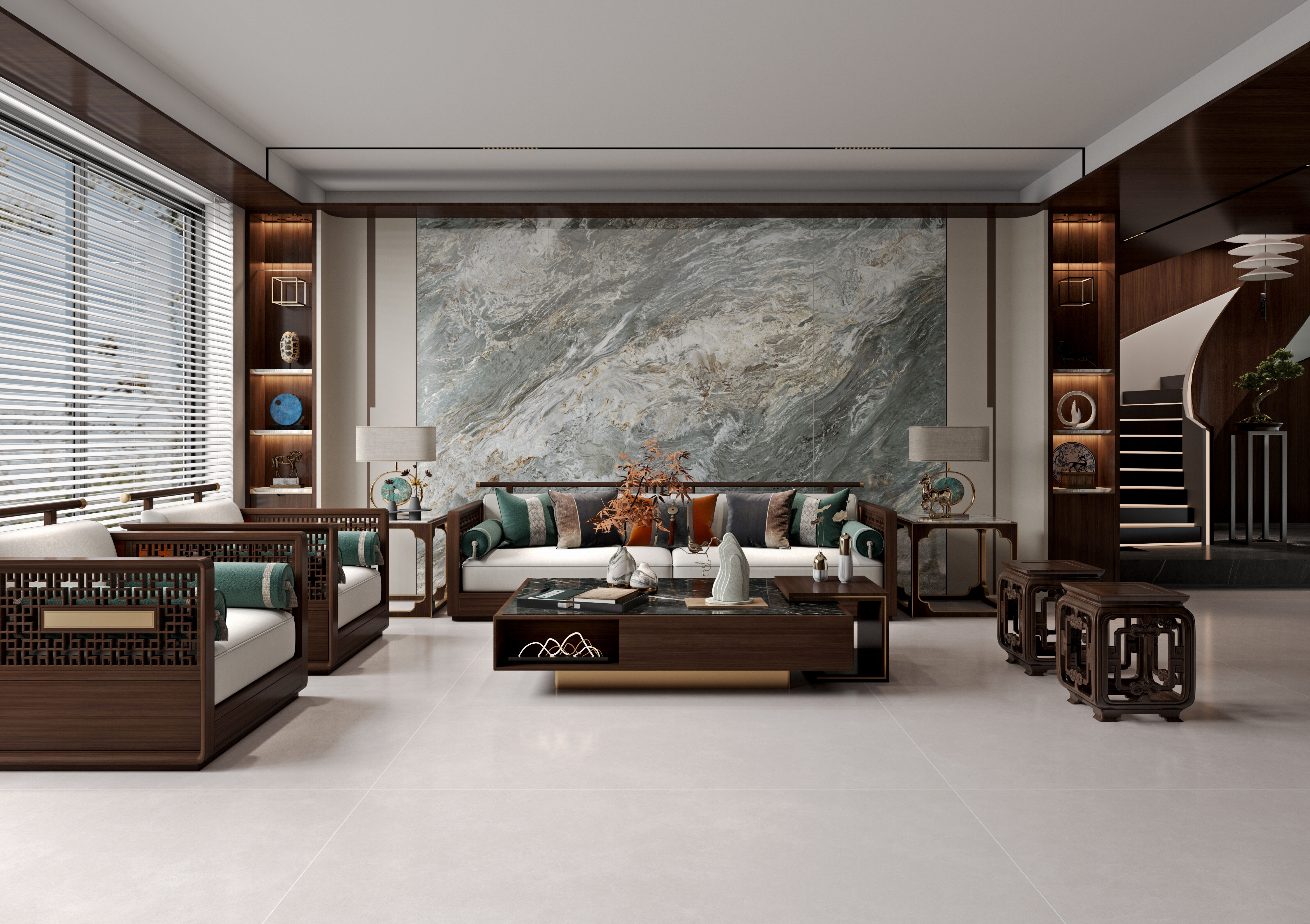
In the competitive world of construction and interior design, selecting the right flooring materials can make or break a project's success. Polished tiles have emerged as one of the most sought-after solutions for commercial and residential applications worldwide, offering an exceptional combination of durability, aesthetic appeal, and long-term value. When contractors evaluate flooring options for their projects, they need materials that deliver consistent performance across diverse environments while maintaining visual excellence that satisfies end clients and meets stringent industry standards.
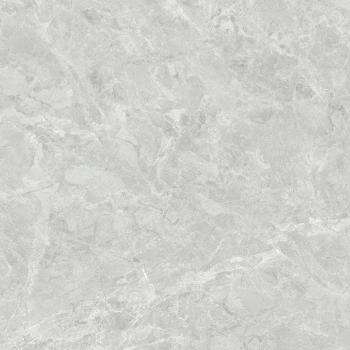
The global construction industry has witnessed a significant shift toward premium surface materials that combine functionality with sophisticated design elements. Polished tiles represent this evolution perfectly, providing contractors with versatile solutions that work seamlessly across multiple project types and geographical markets. Understanding the technical specifications, installation requirements, and performance characteristics of high-quality polished tiles becomes crucial for contractors who aim to deliver exceptional results consistently.
Superior Manufacturing Standards and Quality Control
Advanced Production Technologies
Modern polished tiles benefit from cutting-edge manufacturing processes that ensure dimensional accuracy, surface consistency, and structural integrity across every batch. The production of premium polished tiles involves sophisticated ceramic pressing techniques, precise temperature control during firing, and multi-stage quality inspections that eliminate defective units before they reach construction sites. These manufacturing standards directly impact installation efficiency and long-term performance reliability.
Quality control protocols for polished tiles typically include comprehensive testing for water absorption rates, breaking strength, thermal shock resistance, and surface abrasion tolerance. These rigorous evaluation procedures ensure that contractors receive materials that perform predictably under various environmental conditions and usage patterns. The consistency achieved through advanced manufacturing translates into reduced installation complications and fewer callback issues for contractors.
Material Composition and Durability Factors
The composition of polished tiles plays a fundamental role in their performance characteristics and suitability for different applications. High-quality polished tiles feature carefully selected raw materials including refined clays, feldspar, and silica sand that undergo precise mixing and forming processes. This material composition creates a dense, non-porous substrate that resists moisture penetration, chemical damage, and physical wear under heavy traffic conditions.
Durability testing reveals that premium polished tiles maintain their structural integrity and surface appearance even after decades of use in demanding commercial environments. The inherent strength of properly manufactured polished tiles makes them ideal for high-traffic areas where other flooring materials might show premature wear patterns. Contractors can confidently specify these materials for projects requiring long-term performance guarantees and minimal maintenance requirements.
Design Versatility and Aesthetic Appeal
Contemporary Style Integration
Polished tiles offer unparalleled design flexibility that allows contractors to accommodate diverse architectural styles and client preferences within a single product category. The reflective surface properties of polished tiles create visual depth and brightness that enhances natural lighting while providing sophisticated elegance suitable for both traditional and contemporary interior designs. This versatility reduces inventory complexity for contractors while expanding their ability to meet varied project requirements.
The color palette and pattern options available in modern polished tiles encompass everything from classic marble reproductions to contemporary geometric designs and natural stone interpretations. Contractors can select from subtle neutral tones that complement minimalist design concepts or bold patterns that create dramatic focal points in commercial spaces. This extensive design range ensures that polished tiles can fulfill aesthetic requirements across residential, commercial, and institutional project categories.
Space Enhancement Properties
The reflective characteristics of polished tiles contribute significantly to spatial perception and lighting efficiency in interior environments. These tiles effectively amplify available light sources, reducing artificial lighting requirements and creating more open, welcoming spaces that benefit both building occupants and operational costs. Contractors frequently utilize this property to improve the perceived size and brightness of smaller rooms or areas with limited natural light access.
Surface reflection from polished tiles also contributes to improved color rendering and visual clarity throughout interior spaces. This optical enhancement makes colors appear more vibrant and accurate, which proves particularly valuable in retail environments, showrooms, and residential areas where visual appeal directly impacts user satisfaction. The ability of polished tiles to enhance spatial qualities without requiring additional architectural modifications provides contractors with efficient solutions for challenging project requirements.
Installation Efficiency and Technical Advantages
Simplified Installation Procedures
Professional installation of polished tiles follows established procedures that experienced contractors can execute efficiently with standard tools and adhesive systems. The dimensional consistency and flat surface geometry of quality polished tiles minimize the need for extensive substrate preparation and reduce installation time compared to natural stone alternatives. This efficiency translates into labor cost savings and shorter project completion schedules that benefit both contractors and their clients.
Modern polished tiles are typically available in standardized formats that facilitate planning and reduce waste during installation. The precise manufacturing tolerances ensure consistent gap spacing and eliminate the need for custom cutting in most applications. Contractors appreciate this predictability because it allows accurate material estimating and reduces the risk of installation delays caused by dimensional variations or defective units.
Long-Term Performance Reliability
The performance track record of polished tiles in various commercial and residential applications demonstrates their reliability under diverse usage conditions and environmental factors. Unlike some alternative flooring materials, polished tiles maintain their appearance and functionality without requiring periodic refinishing, sealing, or replacement due to surface wear. This long-term stability provides contractors with confidence when offering extended warranty coverage to their clients.
Maintenance requirements for polished tiles remain minimal throughout their service life, typically involving only routine cleaning with standard commercial products. The non-porous surface resists staining, bacterial growth, and odor absorption while maintaining its original luster with basic care procedures. Contractors can educate clients about simple maintenance practices that preserve the investment value of polished tiles installations for many years.
Market Demand and Global Applications
International Project Requirements
Global construction markets increasingly demand flooring solutions that meet international building codes, environmental standards, and performance specifications while providing aesthetic appeal across cultural preferences. Polished tiles manufactured to international quality standards satisfy these diverse requirements, making them suitable for multinational contractors working on projects in multiple geographical regions. The consistency of specifications and performance characteristics simplifies project planning and reduces regional sourcing complications.
International building certifications and environmental rating systems frequently recognize polished tiles as sustainable flooring options due to their longevity, recyclability, and low maintenance requirements. Contractors pursuing green building certifications can incorporate polished tiles into their material specifications to contribute toward sustainability goals while meeting performance and aesthetic requirements. This alignment with environmental objectives enhances the marketability of projects and supports contractor relationships with environmentally conscious clients.
Commercial and Residential Applications
The versatility of polished tiles makes them suitable for virtually any interior application where durability and appearance are important considerations. Commercial applications include office buildings, retail spaces, hotels, restaurants, and healthcare facilities where high traffic volumes and strict hygiene requirements demand reliable flooring solutions. Residential applications encompass kitchens, bathrooms, living areas, and entrance halls where homeowners desire elegant surfaces that withstand daily use.
Specialized applications for polished tiles continue expanding as architects and designers recognize their performance advantages in challenging environments. Industrial facilities, educational institutions, and transportation terminals increasingly specify polished tiles for their combination of durability, safety features, and maintenance efficiency. Contractors serving these specialized markets benefit from understanding the specific requirements and installation considerations that ensure optimal performance in each application category.
Cost-Effectiveness and Value Proposition
Initial Investment Considerations
While the initial material cost of premium polished tiles may exceed some alternative flooring options, the total cost of ownership typically favors polished tiles when maintenance, replacement, and lifecycle factors are considered comprehensively. Contractors can demonstrate this value proposition to clients by comparing long-term costs rather than focusing solely on initial material expenses. The durability and low maintenance requirements of polished tiles often result in significant savings over the building's operational lifespan.
Installation costs for polished tiles remain competitive with other premium flooring materials while offering superior performance characteristics and aesthetic appeal. The efficiency of installation procedures and the reliability of material performance contribute to reduced overall project costs when contractors factor in potential callback issues, warranty claims, and customer satisfaction levels. These considerations make polished tiles attractive from both initial cost and risk management perspectives.
Return on Investment Factors
Property values and rental rates often reflect the quality and appearance of interior finishes, making polished tiles installations valuable investments for both residential and commercial property owners. Contractors can highlight this value enhancement when proposing polished tiles for projects where long-term property value is an important consideration. The timeless appeal and durability of polished tiles contribute to sustained property values that benefit all stakeholders.
Energy efficiency benefits associated with polished tiles include reduced lighting requirements due to their reflective properties and improved thermal mass characteristics that contribute to HVAC efficiency. These operational cost savings accumulate over time and enhance the overall return on investment for property owners. Contractors who understand and communicate these benefits can differentiate their services and build stronger client relationships based on comprehensive value delivery.
FAQ
What makes polished tiles more reliable than other flooring options for large-scale projects?
Polished tiles offer superior reliability through consistent manufacturing quality, predictable installation procedures, and proven long-term performance in diverse applications. Their non-porous surface resists damage from moisture, chemicals, and physical wear while maintaining appearance without requiring periodic refinishing or replacement. This reliability reduces maintenance costs and eliminates unexpected failures that can disrupt building operations.
How do polished tiles perform in high-traffic commercial environments?
High-quality polished tiles excel in commercial applications due to their exceptional durability and resistance to surface wear. The dense ceramic structure and hardened surface can withstand heavy foot traffic, rolling loads, and frequent cleaning without showing signs of deterioration. Many commercial installations of polished tiles continue performing satisfactorily after decades of intensive use with minimal maintenance requirements.
Are there specific installation requirements that contractors should consider for polished tiles?
Installation of polished tiles follows standard ceramic tile procedures with attention to substrate preparation, adhesive selection, and joint spacing consistency. The smooth surface requires appropriate safety considerations during installation, and proper sealing of grout joints helps maintain the hygienic properties of the installation. Experienced contractors can install polished tiles efficiently using conventional tools and established best practices.
What maintenance procedures ensure optimal long-term performance of polished tiles?
Polished tiles require only routine cleaning with pH-neutral cleaners and periodic inspection of grout joints to maintain optimal performance. The non-porous surface resists staining and bacterial growth, eliminating the need for special treatments or protective coatings. Regular cleaning schedules appropriate for the usage level and environmental conditions will preserve the appearance and functionality of polished tiles installations indefinitely.
Table of Contents
- Superior Manufacturing Standards and Quality Control
- Design Versatility and Aesthetic Appeal
- Installation Efficiency and Technical Advantages
- Market Demand and Global Applications
- Cost-Effectiveness and Value Proposition
-
FAQ
- What makes polished tiles more reliable than other flooring options for large-scale projects?
- How do polished tiles perform in high-traffic commercial environments?
- Are there specific installation requirements that contractors should consider for polished tiles?
- What maintenance procedures ensure optimal long-term performance of polished tiles?