EN
EN


High-rise building construction demands materials that meet stringent fire safety standards while maintaining aesthetic appeal and structural integrity. Wood series porcelain has emerged as a revolutionary solution that addresses these critical requirements, offering the natural beauty of wood with the fire-resistant properties essential for modern urban construction. This innovative material combines advanced ceramic technology with realistic wood aesthetics, making it an ideal choice for architects and developers prioritizing both safety and design excellence.
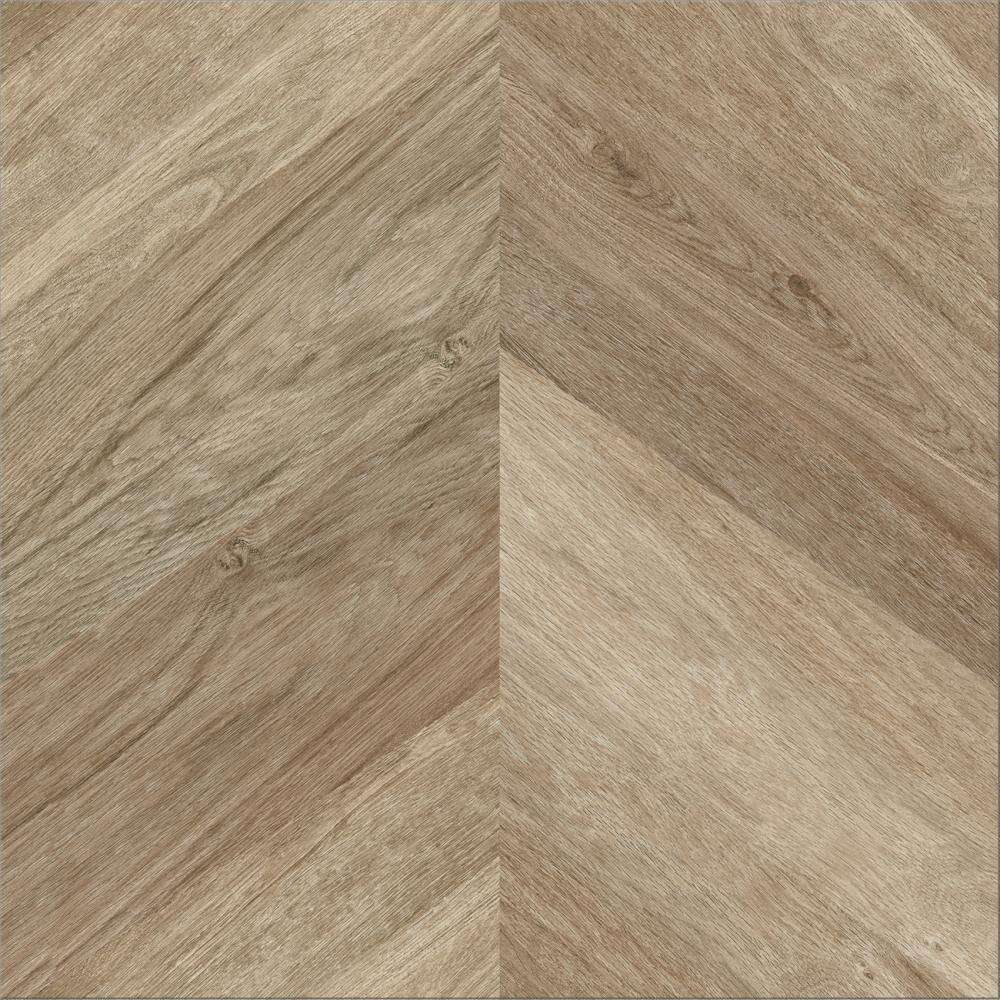
The increasing focus on fire safety in high-rise construction has led to more rigorous building codes and material specifications. Traditional wood materials, while aesthetically pleasing, present significant fire hazards that can compromise building safety and occupant protection. Wood series porcelain eliminates these concerns by providing the visual warmth and texture of natural wood without the associated fire risks, making it an essential component of contemporary fire-safe building design.
Understanding Fire Safety Requirements in High-Rise Construction
Building Code Compliance and Material Standards
Modern building codes require materials used in high-rise construction to meet specific fire resistance ratings and safety classifications. Wood series porcelain consistently exceeds these requirements, offering Class A fire resistance ratings that surpass traditional wood materials. These ratings indicate that the material will not contribute to fire spread, generate minimal smoke, and maintain structural integrity under extreme heat conditions.
The International Building Code and National Fire Protection Association guidelines specifically address material performance in fire scenarios. Wood series porcelain meets or exceeds all major fire safety standards, including ASTM E84 flame spread ratings and smoke development indices. This compliance ensures that buildings incorporating this material can obtain necessary permits and certifications while providing maximum occupant safety.
Fire Resistance Testing and Certification
Comprehensive fire resistance testing validates the superior performance of wood series porcelain under extreme conditions. Laboratory testing includes exposure to temperatures exceeding 1000 degrees Celsius, flame spread analysis, and smoke generation measurement. Results consistently demonstrate that wood series porcelain maintains its structural properties and does not contribute to fire propagation, unlike natural wood materials that can ignite and fuel fires.
Independent certification bodies regularly test and validate the fire safety properties of wood series porcelain products. These certifications provide architects, contractors, and building owners with documented proof of material performance, ensuring compliance with local and international building codes. The rigorous testing process includes both standard laboratory conditions and real-world fire simulation scenarios.
Advantages of Wood Series Porcelain in Fire Safety Applications
Non-Combustible Properties and Heat Resistance
The fundamental advantage of wood series porcelain lies in its completely non-combustible composition. Unlike natural wood, which ignites at approximately 300 degrees Celsius, wood series porcelain remains stable and non-reactive even when exposed to extreme heat. This characteristic prevents the material from contributing fuel to fires, significantly reducing fire spread rates and intensity within buildings.
Heat resistance properties of wood series porcelain extend beyond simple non-combustibility. The material maintains its structural integrity and dimensional stability even under prolonged exposure to high temperatures. This stability prevents warping, cracking, or structural failure that could compromise building safety systems or create additional hazards during fire emergencies.
Smoke Generation and Toxic Emission Control
Fire safety extends beyond flame resistance to include smoke generation and toxic emission control. Wood series porcelain produces minimal smoke when exposed to extreme heat, maintaining visibility for emergency evacuation procedures. This low smoke generation is crucial for high-rise buildings where smoke can quickly spread through ventilation systems and stairwells, creating dangerous conditions for occupants.
Toxic emission control represents another critical safety advantage of wood series porcelain. Natural wood combustion releases harmful chemicals and gases that can cause respiratory distress and impair evacuation efforts. Wood series porcelain eliminates these concerns by maintaining chemical stability under fire conditions, ensuring that building occupants are not exposed to toxic fumes during emergencies.
Installation and Application Considerations
Proper Installation Techniques for Fire Safety
Proper installation of wood series porcelain requires specific techniques that maximize fire safety benefits while ensuring long-term performance. Installation methods must account for thermal expansion, moisture management, and structural load distribution. Professional installers trained in fire-safe construction techniques ensure that wood series porcelain installations maintain their protective properties throughout the building's lifespan.
Substrate preparation and adhesive selection play crucial roles in fire-safe wood series porcelain installation. Fire-resistant adhesives and underlayment materials complement the porcelain's safety properties, creating a comprehensive fire-resistant system. Proper joint sealing and edge treatments prevent fire penetration through installation gaps, maintaining the material's protective barrier function.
Integration with Building Fire Safety Systems
Wood series porcelain integrates seamlessly with building fire safety systems, including sprinkler systems, smoke detection equipment, and emergency lighting. The material's stability under fire conditions ensures that safety system components remain protected and functional during emergencies. This integration is particularly important in high-rise buildings where complex safety systems must work together to protect occupants.
Fire-rated assemblies incorporating wood series porcelain provide enhanced protection for critical building systems. These assemblies can protect structural elements, mechanical systems, and escape routes from fire damage. The material's performance characteristics support the overall fire safety strategy while maintaining the aesthetic goals of architectural design.
Comparative Analysis with Traditional Wood Materials
Fire Performance Comparison
Direct comparison between wood series porcelain and traditional wood materials reveals significant safety advantages. Natural wood materials typically achieve Class C fire ratings at best, while wood series porcelain consistently achieves Class A ratings. This difference translates to substantial improvements in fire spread prevention, smoke generation control, and overall building safety performance.
Flame spread indices provide quantitative measures of material fire performance. Traditional wood materials often exhibit flame spread indices between 76-200, while wood series porcelain maintains indices below 25. This dramatic difference demonstrates the superior fire resistance properties that make wood series porcelain the preferred choice for high-rise construction applications.
Long-term Safety and Maintenance Benefits
Long-term safety benefits of wood series porcelain extend beyond initial fire resistance to include maintenance and aging considerations. Traditional wood materials can develop cracks, splits, and dry conditions that increase fire susceptibility over time. Wood series porcelain maintains its fire resistance properties indefinitely, providing consistent safety performance throughout the building's operational life.
Maintenance requirements for wood series porcelain are significantly reduced compared to traditional wood materials. The material requires no fire-retardant treatments, protective coatings, or regular safety inspections. This reduced maintenance burden ensures that fire safety properties remain intact while reducing long-term ownership costs and safety management complexity.
Industry Applications and Case Studies
High-Rise Residential Projects
High-rise residential developments increasingly specify wood series porcelain for interior and exterior applications where fire safety is paramount. Recent projects demonstrate successful integration of this material in lobby areas, corridor walls, and balcony surfaces. These applications provide the warmth and appeal of natural wood while meeting stringent fire safety requirements mandated by residential building codes.
Case studies from major metropolitan areas show that wood series porcelain installations have passed rigorous fire safety inspections and received approval from fire marshals and building officials. These real-world applications validate laboratory testing results and demonstrate practical fire safety benefits in operational building environments.
Commercial and Mixed-Use Developments
Commercial high-rise projects benefit significantly from wood series porcelain applications in public spaces, elevator lobbies, and exterior facades. The material's fire resistance properties support insurance requirements and regulatory compliance while providing the aesthetic appeal necessary for competitive commercial spaces. Mixed-use developments particularly value the versatility and safety characteristics of wood series porcelain.
Recent installations in major commercial towers demonstrate that wood series porcelain can achieve sophisticated design objectives while exceeding fire safety requirements. These projects serve as models for future developments seeking to balance aesthetic goals with safety mandates in high-rise construction.
Future Developments and Technology Innovations
Advanced Manufacturing Techniques
Ongoing research and development in wood series porcelain manufacturing continues to enhance fire safety performance while expanding design possibilities. Advanced kiln technologies and refined ceramic formulations produce materials with even superior fire resistance characteristics. These manufacturing innovations ensure that wood series porcelain remains at the forefront of fire-safe building materials.
Digital printing technologies enable increasingly realistic wood grain patterns while maintaining the fundamental fire safety properties of porcelain. These advances allow architects to achieve specific aesthetic goals without compromising safety requirements, expanding the applications where wood series porcelain can replace traditional wood materials.
Regulatory Evolution and Standards Development
Building codes and fire safety standards continue evolving to address emerging challenges in high-rise construction. Wood series porcelain manufacturers actively participate in standards development processes, ensuring that products exceed current requirements and anticipate future regulations. This proactive approach provides building owners and developers with confidence in long-term code compliance.
International harmonization of fire safety standards creates opportunities for wood series porcelain applications in global construction markets. The material's superior performance characteristics position it advantageously as building codes worldwide become more stringent regarding fire safety requirements in high-rise construction.
FAQ
How does wood series porcelain achieve superior fire resistance compared to natural wood
Wood series porcelain achieves superior fire resistance through its ceramic composition, which is inherently non-combustible and stable at extreme temperatures. Unlike natural wood that contains organic compounds that ignite and burn, wood series porcelain consists of inorganic materials that do not support combustion. The manufacturing process involves firing the material at temperatures exceeding 1200 degrees Celsius, creating a stable ceramic matrix that maintains its properties even under fire conditions.
What fire safety certifications and ratings does wood series porcelain typically achieve
Wood series porcelain typically achieves Class A fire resistance ratings under ASTM E84 testing standards, with flame spread indices below 25 and smoke development indices below 450. The material also meets or exceeds requirements for NFPA 285 facade testing, UL 723 surface burning characteristics, and various international fire safety standards including EN 13501-1 classifications. These certifications demonstrate compliance with major building codes and fire safety regulations worldwide.
Can wood series porcelain be used in all areas of high-rise construction
Wood series porcelain can be used in virtually all areas of high-rise construction where fire safety is a concern, including interior walls, floors, exterior facades, and decorative elements. The material's versatility allows for applications in residential units, commercial spaces, lobbies, corridors, and mechanical areas. However, specific building codes and project requirements should always be consulted to ensure proper material selection and installation methods for each application.
What are the long-term maintenance requirements for wood series porcelain in fire safety applications
Wood series porcelain requires minimal long-term maintenance while maintaining its fire safety properties indefinitely. Unlike traditional wood materials that may need fire-retardant treatments or regular safety inspections, wood series porcelain maintains its Class A fire rating throughout its service life without additional treatments. Routine cleaning with standard porcelain maintenance procedures is sufficient to preserve both aesthetic appearance and fire resistance characteristics, making it an ideal low-maintenance solution for high-rise buildings.
Table of Contents
- Understanding Fire Safety Requirements in High-Rise Construction
- Advantages of Wood Series Porcelain in Fire Safety Applications
- Installation and Application Considerations
- Comparative Analysis with Traditional Wood Materials
- Industry Applications and Case Studies
- Future Developments and Technology Innovations
-
FAQ
- How does wood series porcelain achieve superior fire resistance compared to natural wood
- What fire safety certifications and ratings does wood series porcelain typically achieve
- Can wood series porcelain be used in all areas of high-rise construction
- What are the long-term maintenance requirements for wood series porcelain in fire safety applications