EN
EN

Creating Luxurious Sanctuaries Through Strategic Tile Selection
In the competitive hospitality industry, bathroom tile serves as more than just a functional element - it's a cornerstone of design that shapes guest experiences and defines luxury spaces. Modern hotels and spas recognize that thoughtfully selected bathroom tile can transform ordinary spaces into extraordinary retreats that leave lasting impressions on visitors.
The strategic use of bathroom tile in hospitality projects goes beyond mere aesthetics. It encompasses durability, safety, maintenance, and the creation of immersive environments that align with a property's brand identity. As travelers increasingly seek unique, Instagram-worthy experiences, the role of bathroom tile in setting the tone for memorable stays has never been more critical.
Design Impact and Visual Appeal
Setting the Mood Through Pattern and Color
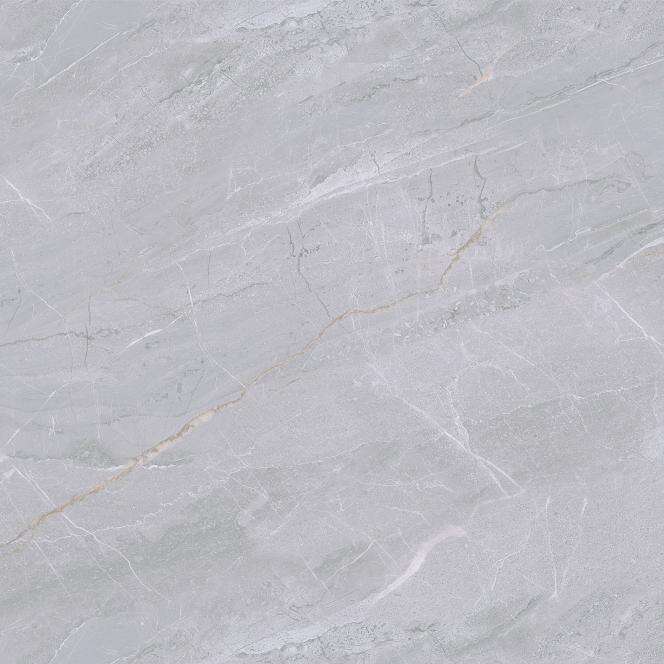
Bathroom tile selection dramatically influences the emotional response and overall ambiance of hotel and spa spaces. Large-format porcelain tiles can create a sense of spaciousness and sophistication, while intricate mosaic patterns add visual interest and artistic flair. The versatility of bathroom tile allows designers to craft spaces that range from serene and minimalist to bold and dramatic.
Contemporary hospitality projects often utilize bathroom tile to establish cohesive design narratives. From subtle neutral palettes that evoke tranquility to vibrant accent walls that become focal points, tile choices help properties differentiate themselves in a crowded market. The interplay of colors, textures, and patterns can transport guests to different worlds - from Mediterranean retreats to urban sanctuaries.
Creating Visual Flow and Spatial Harmony
Strategic bathroom tile placement helps define zones within spa and hotel bathrooms while maintaining visual continuity. Floor-to-ceiling tile installations can make ceilings appear higher, while horizontal tile patterns can visually widen narrow spaces. The thoughtful combination of different tile sizes and orientations adds depth and interest without overwhelming the senses.
Many successful hospitality projects use bathroom tile to blur the boundaries between indoor and outdoor spaces, particularly in spa environments. Natural stone-look tiles can extend from interior wet areas to exterior relaxation zones, creating seamless transitions that enhance the guest experience.
Performance and Practical Considerations
Durability and Maintenance Requirements
Hotel and spa bathrooms face intense daily use, making durability a paramount concern. High-quality bathroom tile offers exceptional longevity and resistance to wear, moisture, and chemical cleaning agents. Porcelain tiles, in particular, excel in high-traffic environments due to their low porosity and superior strength.
The ease of maintenance associated with bathroom tile makes it an ideal choice for hospitality settings where quick turnaround between guests is essential. Unlike other materials, properly installed tile resists staining, scratching, and bacterial growth - crucial factors in maintaining hygiene standards and reducing long-term maintenance costs.
Safety and Compliance Standards
In commercial spaces, bathroom tile must meet strict safety requirements. Non-slip ratings become especially important in wet areas, where properties must balance aesthetic appeal with guest safety. Modern tile manufacturers offer numerous options that combine beautiful designs with appropriate slip resistance for various applications.
Compliance with ADA requirements and local building codes influences bathroom tile selection in hospitality projects. This includes considerations for grout line width, surface texture, and installation patterns that ensure safe navigation while maintaining design integrity.
Sustainable and Wellness Aspects
Environmental Impact and Green Building
Contemporary bathroom tile options align with growing demands for sustainable building practices. Many manufacturers now offer products with recycled content, low environmental impact production methods, and certifications that contribute to LEED points. The longevity of quality tile also reduces the need for frequent replacements, minimizing waste and environmental impact over time.
Water resistance and proper drainage are crucial aspects where bathroom tile excels, contributing to building wellness by preventing moisture-related issues. Proper tile selection and installation help maintain healthy indoor air quality by deterring mold growth and facilitating effective cleaning protocols.
Wellness Design Integration
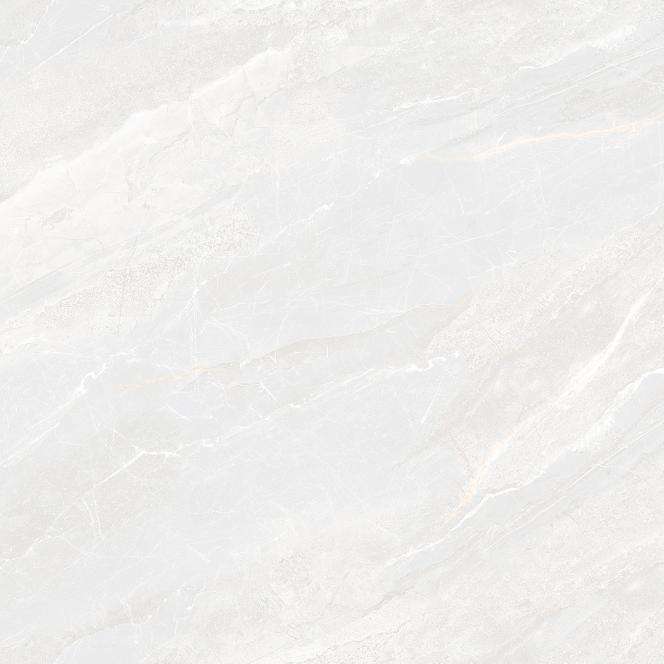
The wellness tourism trend has elevated the importance of bathroom tile in creating spaces that promote relaxation and rejuvenation. Biophilic design principles often incorporate natural stone-look tiles or patterns that echo organic elements, helping guests feel connected to nature even in interior spaces.
Spa facilities particularly benefit from bathroom tile's versatility in creating therapeutic environments. From steam rooms to treatment areas, tile surfaces can withstand varying temperatures and humidity levels while maintaining their aesthetic appeal and functional properties.
Investment and ROI Considerations
Initial Costs vs. Long-term Value
While premium bathroom tile may represent a significant upfront investment, its durability and low maintenance requirements often result in lower life-cycle costs compared to alternative materials. Hotels and spas that invest in quality tile installations typically experience reduced replacement and repair expenses over time.
The visual impact of well-chosen bathroom tile can contribute significantly to a property's perceived value and guest satisfaction scores. This translates to higher room rates and increased booking rates, particularly in luxury and boutique properties where design details matter extensively.
Brand Identity and Market Positioning
Bathroom tile plays a crucial role in expressing a property's brand identity and market positioning. Luxury hotels often utilize high-end natural stone or designer tiles to reinforce their premium status, while boutique properties might opt for unique, artisanal options that reflect their individual character.
The versatility of modern bathroom tile allows properties to create distinctive spaces that resonate with their target market while maintaining operational efficiency. This balance between aesthetics and practicality makes tile an invaluable tool in successful hospitality design.
Frequently Asked Questions
What type of bathroom tile is best suited for high-traffic hotel areas?
Porcelain tiles are typically considered the best choice for high-traffic hotel bathrooms due to their exceptional durability, low maintenance requirements, and wide range of design options. They offer superior water resistance and can withstand heavy use while maintaining their appearance.
How does bathroom tile contribute to hotel sustainability goals?
Bathroom tile supports sustainability initiatives through its long lifespan, low maintenance needs, and availability of eco-friendly options. Many manufacturers now offer tiles made with recycled materials and energy-efficient production methods, helping properties achieve green building certifications.
What are the key considerations for selecting spa bathroom tiles?
When selecting bathroom tile for spa areas, key considerations include slip resistance, moisture handling capability, ease of cleaning, and the ability to create a cohesive wellness atmosphere. The tile should also be able to withstand various temperatures and chemical treatments while maintaining its aesthetic appeal.