EN
EN

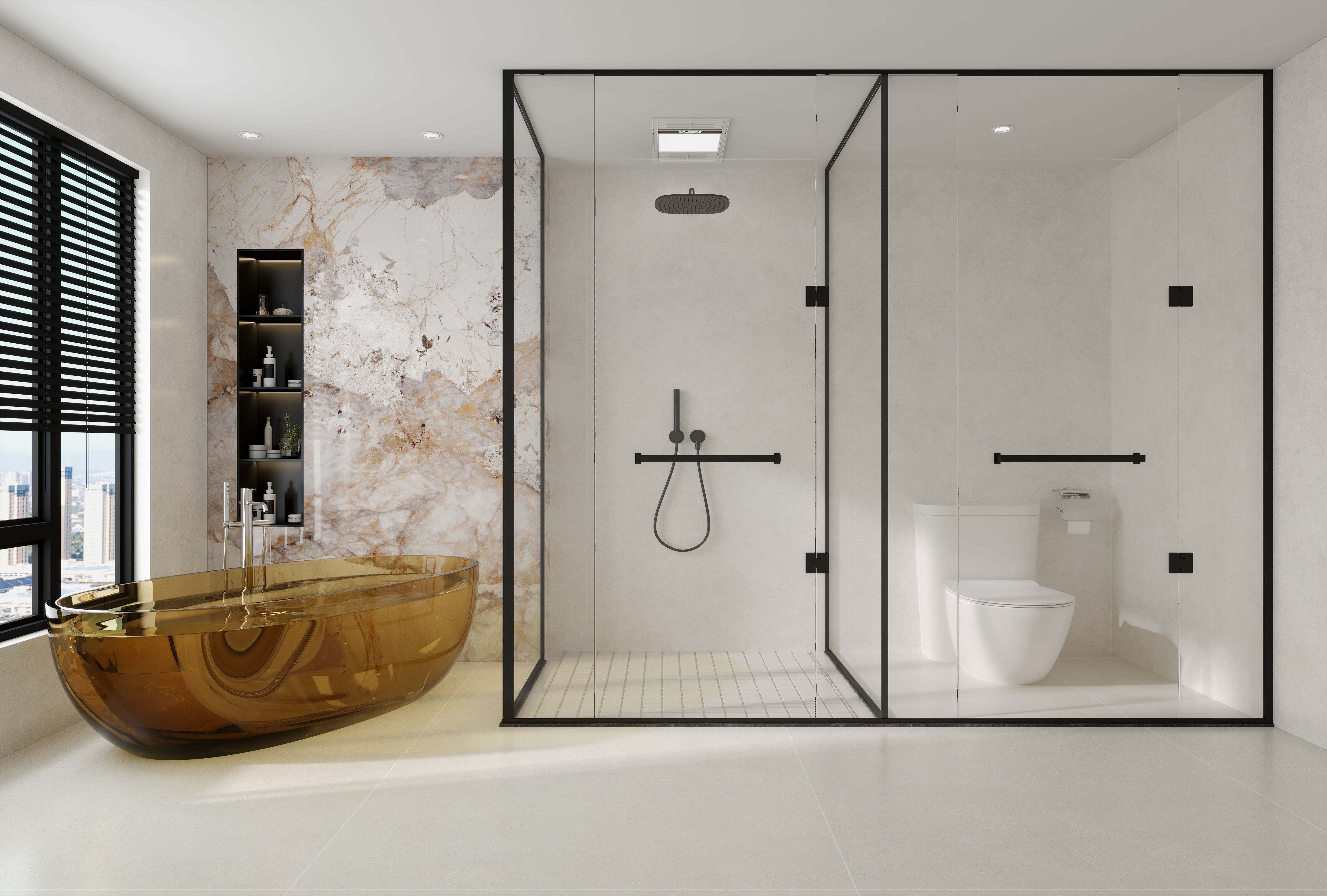
Ang paggawa ng mga gusaling mataas ang laki ay nangangailangan ng mga materyales na hindi lamang nagbibigay ng estetikong atractibo kundi pati na rin ay sumusunod sa mahigpit na mga kinakailangan sa kaligtasan laban sa sunog—na maaaring magbigay-daan sa pagkakaiba ng buhay at kamatayan sa panahon ng mga emergency na sitwasyon. Ang tradisyonal na sahig at pader na yari sa kahoy, bagaman nakakaloko sa paningin, ay nagdudulot ng malaking panganib sa sunog sa mga gusaling may maraming palapag kung saan ang mabilis na pagkalat ng apoy ay maaaring makulong ang mga naninirahan at lubos na sobrahan ang mga sistema ng evakuwasyon. Ang porcelain na may disenyo ng kahoy ay lumilitaw bilang isang rebolusyonaryong solusyon na pinauunlad ang likas na kagandahan ng ugat ng kahoy kasama ang likas na katangian nito na laban sa apoy—na kailangan ng mga modernong building code para sa mga proyektong konstruksyon sa vertikal na istruktura.
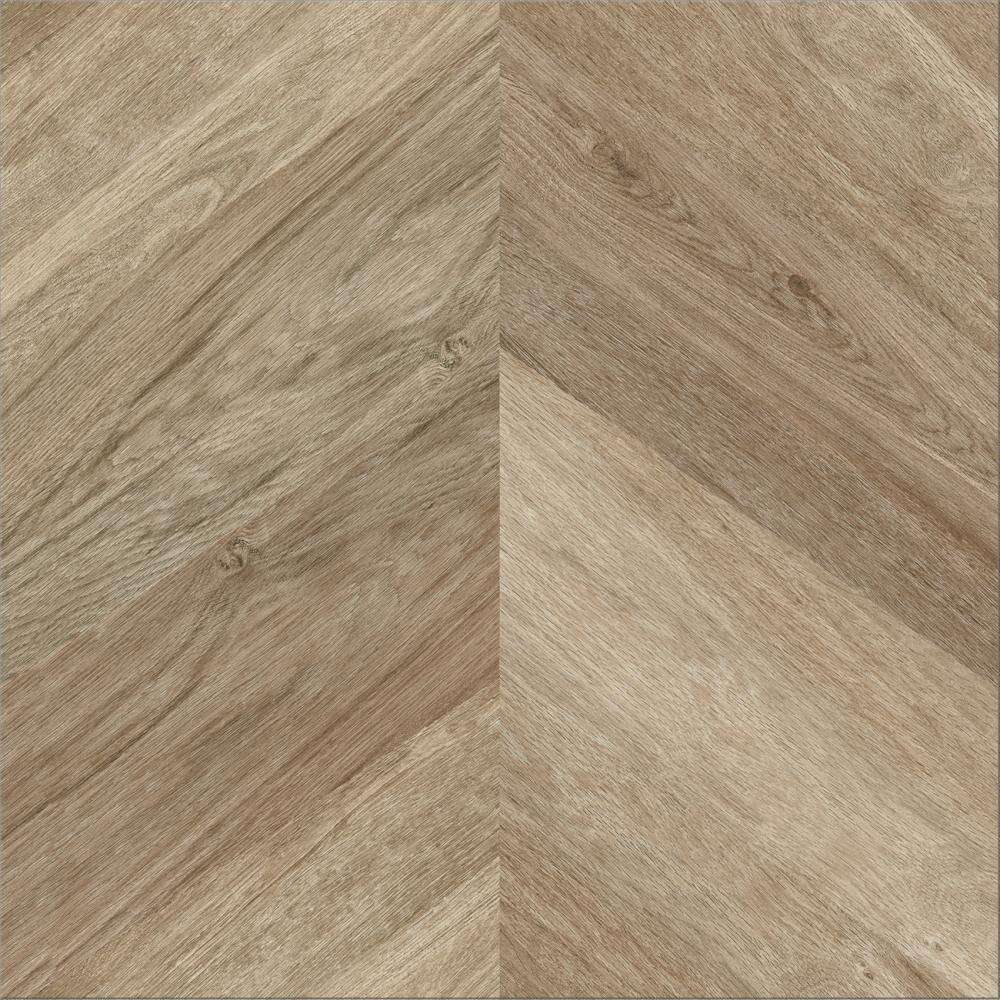
Ang kritikal na kahalagahan ng kaligtasan sa sunog sa mga gusaling mataas ay hindi maaaring labis na bigyang-diin, dahil ang mga istrukturang ito ay nagdudulot ng natatanging hamon para sa mga koponan ng emergency response at sa mga naninirahan sa gusali. Ang serye ng porcelain na kahoy ay tumutugon sa mga hamong ito sa pamamagitan ng pagbibigay ng isang hindi nasusunog na materyal na ibabaw na panatilihin ang kanyang istruktural na integridad sa ilalim ng matinding init habang nag-aalok ng mainit at natural na anyo na hinahanap ng mga arkitekto at disenyador para sa mga aplikasyon sa tirahan at komersyo. Ang pag-unawa kung bakit ang serye ng porcelain na kahoy ay nag-aalok ng mas mahusay na kaligtasan sa sunog kumpara sa tradisyonal na mga materyal ay nangangailangan ng pagsusuri sa mga pangunahing pagkakaiba sa komposisyon ng materyal, pag-uugali sa init, at pagkakasunod sa mga internasyonal na pamantayan sa paggawa ng gusali.
Pag-unawa sa mga Pamantayan sa Kaligtasan sa Sunog sa Konstruksyon ng Mataas na Gusali
Mga Klasipikasyon ng Building Code para sa mga Vertical na Istukturang Gusali
Ang mga mataas na gusali ay karaniwang lumalampas sa 75 paa sa taas at nabibilang sa uri ng konstruksyon na Type I o Type II, na nangangailangan ng paggamit ng mga hindi nasusunog na materyales sa buong istruktura. Ang mga klasipikasyong ito ay umiiral dahil ang pagpapahina ng apoy ay nagiging eksponensyal na mas mahirap habang tumataas ang taas ng gusali, kaya ang pagpili ng materyales ay isang mahalagang kadahilanan sa kabuuang kaligtasan ng gusali. Ang porcelain na serye ng kahoy ay sumusunod sa mga mahigpit na kinakailangan na ito sa pamamagitan ng pagkamit ng Class A fire ratings, na kumakatawan sa pinakamataas na antas ng paglaban sa apoy na magagamit para sa mga materyales sa gusali.
Itinataguyod ng National Fire Protection Association (NFPA) at International Building Code (IBC) ang mga tiyak na indeks ng pagkalat ng apoy at pag-unlad ng usok na kailangang matugunan ng mga materyales para sa paggamit sa mga mataas na gusali. Ang serye ng kahoy na porcelain ay paulit-ulit na nagpapakita ng mga indeks ng pagkalat ng apoy na nasa ilalim ng 25 at mga indeks ng pag-unlad ng usok na nasa ilalim ng 450, kaya ito nabibilang sa pinakamahigpit at pinakaligtas na kategorya para sa mga panloob na panghuling pagkakabukod. Ang mga katangiang ito sa pagganap ay nagsisiguro na ang materyales na ito ay hindi makakatulong sa pagkalat ng apoy o maglalabas ng labis na usok na maaaring hadlangan ang mga gawain sa pag-evacuate.
Mga Konsiderasyon sa Emergency Evacuation
Ang kaligtasan sa sunog sa mga mataas na gusali ay umaabot pa sa simpleng kahalumigmigan ng materyales—kabilang dito ang mas malawak na hamon ng ligtas na pag-alis ng daan-daang o libo-libong naninirahan gamit ang limitadong mga hagdan. Ang porcelain na may disenyo ng kahoy ay nakatutulong sa kaligtasan sa pag-alis dahil ito ay panatilihin ang kanyang istruktural na integridad at katatagan ng ibabaw habang nasa ilalim ng kondisyon ng sunog, na nagpapigil sa paglikha ng karagdagang panganib tulad ng nahuhulog na debris o nababagong ibabaw para sa paglalakad. Hindi tulad ng tradisyonal na mga kahoy na materyales na maaaring magpalingkod, magbukod, o lumikha ng mga puwang kapag inilantad sa init, ang porcelain na may disenyo ng kahoy ay panatilihin ang kanyang dimensional na katatagan sa buong panahon ng insidente ng sunog.
Ang mga katangian ng produksyon ng usok ng mga materyales sa loob ng gusali ay naging lalo pang mahalaga sa mga senaryo ng pag-evacuate mula sa mataas na gusali kung saan maaaring kailanganin ng mga naninirahan na daanan ang maraming palapag sa pamamagitan ng nakasaraang hagdan. Ang porcelain ng serye ng kahoy ay nagpapalabas ng kaunting usok kapag inilantad sa apoy, na panatilihin ang antas ng kahayanan na mahalaga para sa ligtas na paggalaw sa panahon ng emergency. Ang katangiang ito ay naging lalo pang mahalaga sa mga gusali kung saan maaaring lumampas sa 30 minuto ang oras ng pag-evacuate dahil sa taas ng gusali at mga kadahilanan sa bilang ng mga naninirahan.
Komposisyon ng Materyales at mga Katangian ng Paglaban sa Apoy
Proseso ng Pagmamanufacture ng Porcelain at Kaligtasan sa Apoy
Ang proseso ng paggawa ng porcelain na may disenyo ng kahoy ay kasali ang pagpi-piring ng mga materyales na yari sa luad sa mga temperatura na lumalampas sa 2200 degrees Fahrenheit, na nagpapabago nang pangunahin sa molekular na istruktura upang makabuo ng isang vitrified (nagkakatigas tulad ng salamin) at hindi poroso na ibabaw na hindi kayang suportahan ang pagsusunog. Ang prosesong ito ng pagpi-piring sa mataas na temperatura ay nagtatanggal ng mga organikong sangkap na maaaring magamit bilang pinagmumulan ng apoy, samantalang nililikha nito ang density ng materyales na nagbibigay ng mahusay na katangian sa thermal mass. Ang resultang produkto ay nagpapakita ng napakahusay na paglaban sa apoy dahil ito ay nakaranas na ng thermal treatment na malayo nang lumalampas sa anumang temperatura na maaaring harapin nito sa mga sitwasyon ng sunog sa gusali.
Hindi tulad ng tradisyonal na kahoy na mga materyales na naglalaman ng selulosa at lignin na mga compound na madaling sumunod sa apoy at nagpapalaya ng mga volatile na gas, ang porcelain na serye ng kahoy ay binubuo nang buo ng mga inorganic na mineral na nananatiling kemikal na stable sa ilalim ng kondisyon ng apoy. Ang teknolohiyang digital na pagpi-print na ginagamit upang lumikha ng mga pattern ng kahoy na ugat ay gumagamit ng mga tinta na batay sa ceramic na pinapainit sa ibabaw ng tile, na nagsisiguro na ang mga dekoratibong elemento ay panatilihin ang kanilang mga katangian ng paglaban sa apoy. Ang integrasyong ito ay nangangahulugan na ang porcelain na serye ng kahoy ay nagbibigay ng pare-parehong pagganap laban sa apoy sa parehong substrate at sa dekorasyon ng ibabaw.
Panglawak na Thermal at Katatagan ng Estructura
Ang coefficient of thermal expansion para sa porcelain na gawa sa kahoy ay nananatiling mas mababa kaysa sa mga tradisyunal na materyales sa pagtatayo, na nakakatulong sa pagpapanatili ng integridad ng istruktura sa panahon ng sunog kapag ang mga materyales sa pagtatayo ay nakakaranas ng mabilis na pagbabago ng temperatura. Ang dimensional stability na ito ay pumipigil sa paglikha ng mga puwang o paghihiwalay na maaaring magpahintulot sa apoy o usok na tumagos sa mga assembly ng sahig o dingding. Ang kakayahan ng materyal na makatiis ng thermal shock nang walang pagbibitak o pagkabasag ay nagsisiguro na ang mga assembly na may fire-rated na kalidad ay nagpapanatili ng kanilang mga katangiang proteksiyon sa buong tagal ng pagkakalantad sa sunog.
Ang serye ng porcelain na kahoy ay nagpapakita ng exceptional na performance sa mga thermal cycling tests na sumusubok sa mga cycle ng pag-init at paglamig na nararanasan sa panahon ng mga insidente ng sunog at sa mga sumunod na aktibidad sa pagsuppress nito. Ang tradisyonal na mga materyales na kahoy ay madalas na nakakaranas ng irreversible na dimensional changes na sumisira sa integridad ng building envelope, samantalang porcelana ng serye ng kahoy bumabalik sa orihinal nitong sukat kapag naibalik ang normal na temperatura. Ang katangiang ito sa pagbawi ay lubhang kapaki-pakinabang lalo na sa mga gusaling mataas kung saan ang pagsusuri at pagkukumpuni ng istruktura matapos ang sunog ay kailangang isaalang-alang ang pagganap ng materyales sa ilalim ng ekstremong kondisyon.
Paghahambing ng Pagganap sa Sunog
Pag-uugali ng Apoy ng Tradisyonal na Kagamitang Kawayan at Kahoy
Ang natural na kahoy ay nagdudulot ng malaking panganib sa apoy sa mga aplikasyon sa gusaling mataas dahil sa organikong komposisyon nito at relatibong mababang temperatura ng pagsisimula ng pagsunog, na karaniwang nasa pagitan ng 300 hanggang 500 degree Fahrenheit depende sa uri at nilalaman ng kahoy sa tubig. Kapag nagsimula nang sumunog, patuloy na nasusunog ang kahoy sa pamamagitan ng paglabas ng mga volatile compound na nagpapadami ng apoy at nag-aambag sa mabilis na pagkalat ng sunog sa loob na mga ibabaw. Ang proseso ng pyrolysis na nangyayari habang init ang kahoy ay lumilikha ng dagdag na maaaring masunog na gas na maaaring magdulot ng kondisyong flashover, kung saan ang buong silid ay napupuno ng apoy sa loob lamang ng ilang minuto.
Ang mga produkto mula sa kahoy na ininhinyero na karaniwang ginagamit sa mga aplikasyon ng sahig ay kadalasang may kasamang pandikit at kompositong materyales na maaaring magpalabas ng mga nakakalason na sangkap habang sinusunog, na nagdudulot ng karagdagang panganib sa kaligtasan ng buhay para sa mga naninirahan sa gusali. Ang mga materyales na ito ay karaniwang nakakakuha ng rating sa pagkalat ng apoy sa pagitan ng 75 at 200, na kung saan ito nasa Kategorya B o Kategorya C—na karaniwang ipinagbabawal ang paggamit sa konstruksyon ng mataas na gusali. Ang Wood Series Porcelain ay nawawala ang mga kabalang ito sa pamamagitan ng pagbibigay ng isang ganap na hindi nasusunog na alternatibo na panatilihin ang ninanais na estetikong katangian nang walang kaugnay na panganib sa sunog.
Mga Pagsasaalang-alang sa Paglikha ng Umuungong at Toksisidad
Ang mga katangian ng produksyon ng usok ng mga materyales sa loob ng gusali ay may malaking epekto sa kaligtasan ng buhay sa mga mataas na gusali kung saan maaaring mabigyan ng pinsala ang mga ruta ng pag-alis dahil sa nababawasang visibility at mataas na konsentrasyon ng nakakalason na gas. Ang tradisyonal na mga kahoy na materyales ay nagpapalabas ng malaking dami ng usok na naglalaman ng carbon monoxide, formaldehyde, at iba pang mga compound na maaaring magdulot ng kapabayaan o kamatayan kahit bago pa dumating ang apoy sa mga naninirahan. Ang porcelain na kahoy na serye ay nagpapalabas ng halos walang usok kapag inilantad sa apoy, na panatilihin ang malinaw na mga ruta ng pag-alis at binabawasan ang panganib ng mga sugat dulot ng paghinga ng usok.
Ang pagsubok sa toxicidad ay nagpapakita na ang porcelain ng wood series ay hindi nagpapalabas ng mga mapanganib na sangkap habang nakakalantad sa apoy, hindi tulad ng maraming sintetikong materyales para sa sahig na maaaring magpalabas ng hydrogen cyanide, chlorine gas, o iba pang mematay na sustansya. Ang katangiang ito ay lalo pang mahalaga sa mga gusaling mataas kung saan maaaring ilantad ang mga naninirahan sa usok sa mahabang panahon habang umaalis. Ang inert na komposisyon ng materyal ay nagsisiguro na hindi ito makakatulong sa pagdami ng toxic gas load—isa sa pangunahing sanhi ng mga pagkamatay dulot ng apoy sa mga gusali.
Pagsunod sa Building Code at Pamantayan sa Sertipikasyon
Mga Internasyonal na Protokol sa Pagsubok sa Kaligtasan Laban sa Apoy
Ang porcelain ng wood series ay sumasailalim sa malawakang pagsusuri ayon sa mga pamantayan ng ASTM E84 para sa mga katangian ng pagkasunog sa ibabaw, na sinusukat ang pagkalat ng apoy at ang pagbuo ng usok sa ilalim ng kontroladong kondisyon sa laboratorio. Kasama sa mga pagsusuring ito ang paglalantad ng mga sample ng materyal sa mga standard na pinagmumulan ng apoy habang sinusubaybayan ang bilis ng pagkalat ng apoy at ang produksyon ng usok sa loob ng mga tiyak na panahon. Ang konstanteng mahusay na pagganap ng wood series porcelain sa mga pagsusuring ito ay nagbibigay ng maaasahang datos sa mga arkitekto at opisyales ng gusali para sa pagpapatunay ng pagkakasunod sa mga kodigo.
Ang mga pamantayan sa Europa para sa kaligtasan laban sa sunog, kabilang ang mga klasipikasyon ng EN 13501-1, ay nagbibigay ng karagdagang pagpapatunay sa pagganap ng apoy ng porcelain na serye ng kahoy sa pamamagitan ng mga protokol sa pagsusuri na sinusuri ang mga materyales sa ilalim ng iba't ibang kondisyon ng heat flux at mga senaryo ng pagkakalantad. Ang mga komprehensibong programa sa pagsusuri na ito ay nagsisiguro na ang materyal ay nagpapakita ng pare-parehong pagganap sa iba't ibang kondisyon ng apoy na maaaring makaranas sa tunay na mga sitwasyon ng sunog sa gusali. Karaniwang nakakakuha ang porcelain na serye ng kahoy ng klasipikasyon na A1 o A2 ayon sa mga pamantayan ng Europa, na kumakatawan sa pinakamataas na antas ng pagganap sa kaligtasan laban sa apoy para sa mga materyales sa gusali.
Mga Dokumentasyon at Kinakailangan sa Pag-install
Ang tamang dokumentasyon ng mga katangian ng kaligtasan sa sunog ay naging mahalaga para sa pag-apruba ng permit para sa mataas na gusali at para sa patuloy na pagsusuri ng pagkakasunod sa mga code sa buong lifecycle ng gusali. Ang mga tagagawa ng porcelain na kahoy na serye ay nagbibigay ng komprehensibong mga ulat ng pagsusulit at mga dokumento ng sertipikasyon na nagpapakita ng pagkakasunod sa mga aplikableng code sa gusali at mga pamantayan sa kaligtasan sa sunog. Dapat panatilihin ang mga dokumentong ito bilang bahagi ng mga tala ng gusali at ibigay sa mga opisyales ng fire department at mga inspektor ng gusali sa panahon ng mga karaniwang pagsusuri sa kaligtasan.
Ang mga kinakailangan sa pag-install ng serye ng kahoy na porcelain para sa mga aplikasyon sa mataas na gusali ay dapat isaalang-alang ang pagganap ng pagsasaayos na may antas ng paglaban sa apoy, kabilang ang tamang paghahanda ng substrate, pagpili ng pandikit, at mga paraan ng paggamot sa mga hiwa na panatilihin ang kabuuang antas ng paglaban sa apoy ng pagsasaayos. Ang pagkakasundo ng materyal sa mga pader at sahig na may antas ng paglaban sa apoy ay nagpapaguarante sa pagpapanatili ng mga katangian ng paglaban sa apoy ng mga sistema ng gusali habang nagbibigay din ng estetikong benepisyo mula sa hitsura ng likas na kahoy. Ang tamang dokumentasyon ng pag-install ay naging bahagi ng kabuuang estratehiya sa kaligtasan laban sa apoy para sa mga mataas na gusali at dapat panatilihin sa buong operasyonal na buhay ng gusali.
Mga Pakinabang sa Kaligtasan at Pananatili sa Mahabang Panahon
Pagganap ng Pagtitiis sa ilalim ng mga Kondisyon ng Apoy
Ang pangmatagalang benepisyo ng serye ng kahoy na porcelana sa kaligtasan sa sunog ay umaabot nang lampas sa paunang pag-install upang isama ang mga katangian ng pagganap ng materyal sa buong buhay ng gusali. Hindi tulad ng mga organikong materyales na maaaring mag-degrade sa paglipas ng panahon at posibleng bawasan ang kanilang mga katangian sa pagtutol sa apoy, ang serye ng kahoy na porcelana ay nagpapanatili ng pare-parehong mga katangian sa pagganap laban sa apoy nang walang hanggan sa ilalim ng karaniwang kondisyon ng gusali. Ang katatagan na ito ay nagsisiguro na ang mga sistema ng kaligtasan sa sunog ay patuloy na gumagana ayon sa disenyo nito sa buong operasyonal na buhay ng gusali nang walang kailangang palitan o gamutan ang materyal upang mapanatili ang mga rating sa kaligtasan sa sunog.
Ang pagsusuri sa pagganap ng kahoy na serye ng porcelain matapos ang sunog ay nagpapakita na madalas itong maaaring linisin at ibalik sa dating kalagayan matapos ang mga insidenteng pampanday, na kung saan ay nababawasan ang mga gastos at oras sa pagkukumpuni kumpara sa mga tradisyonal na materyales na karaniwang nangangailangan ng buong pagpapalit. Ang pagkakapareho ng sukat at pagtutol sa pinsalang termal ng materyales ay nangangahulugan na ang mga sistema ng gusali ay maaaring maibalik sa serbisyo nang mas mabilis matapos ang mga insidente ng sunog. Ang katangiang ito ay nagbibigay ng malaking halaga sa mga gusaling mataas kung saan ang patuloy na operasyon ng negosyo at ang paglipat ng mga naninirahan ay mahahalagang isyu matapos ang mga insidente ng sunog.
Mga Protocolo sa Pagpapanatili at Inspeksyon
Ang pangangalaga sa kaligtasan laban sa sunog para sa mga instalasyon ng porcelain na kahoy-kahoy ay nangangailangan ng kaunting interbensyon kumpara sa tradisyonal na mga materyales na kahoy na maaaring kailangang lagyan ng panregulang paggamot o palitan upang mapanatili ang kanilang mga katangian laban sa sunog. Ang mga regular na proseso sa paglilinis at pagsusuri ay madaling makikilala ang anumang pinsala o pagdurumi na maaaring makaapekto sa pagganap laban sa sunog, na nagbibigay-daan sa mga tiyak na pagkukumpuni upang mapanatili ang kabuuan ng integridad ng sistema. Ang paglaban ng materyal sa pinsala dulot ng tubig mula sa mga gawain sa pagsuppress ng sunog ay nawawala ang mga alalahanin tungkol sa paglago ng amag pagkatapos ng sunog o sa pagbaba ng istruktura na karaniwang nakakaapekto sa mga organikong materyales sa gusali.
Ang dokumentasyon ng mga gawain sa pagpapanatili ay naging bahagi ng kabuuang programa sa pamamahala ng kaligtasan sa sunog para sa mga mataas na gusali, kung saan ang kahoy na serye ng porcelana ay nangangailangan ng kaunting dokumentasyon dahil sa kanyang likas na katatagan at mga katangian sa pagganap. Ang mga koponan sa pamamahala ng gusali ay maaaring magtuon ng mga yaman sa pagpapanatili sa iba pang sistema ng kaligtasan sa sunog habang umaasa sa pare-parehong pagganap ng mga instalasyon ng kahoy na serye ng porcelana. Ang nabawasang pasanin sa pagpapanatili ay nakatutulong sa kabuuang kaligtasan ng gusali sa pamamagitan ng pagbibigay-daan sa mga koponan sa pamamahala ng pasilidad na maglaan ng mga yaman nang mas epektibo sa lahat ng sistema ng kaligtasan ng gusali.
Madalas Itanong
Anong rating sa sunog ang nakakamit ng kahoy na serye ng porcelana para sa mga aplikasyon sa mataas na gusali?
Ang mga porcelain na kabilang sa Wood series ay karaniwang nakakakuha ng Class A fire ratings na may mga indeks ng pagkalat ng apoy na nasa ilalim ng 25 at mga indeks ng pagbuo ng usok na nasa ilalim ng 450, na sumasapat sa pinakamahigpit na mga kinakailangan para sa konstruksyon ng mataas na gusali. Ang mga rating na ito ay sumusunod sa parehong mga pamantayan ng NFPA at IBC para sa mga hindi nasusunog na materyales na kinakailangan sa mga uri ng konstruksyon na Type I at Type II.
Paano panatilihin ng wood series porcelain ang kanyang paglaban sa apoy sa paglipas ng panahon?
Ang vitrified ceramic composition ng wood series porcelain ay nagbibigay ng pangmatagalang paglaban sa apoy na hindi nababawasan sa paglipas ng panahon tulad ng mga organic material o surface treatments. Ang proseso ng paggawa sa mataas na temperatura ay lumilikha ng isang matatag na molecular structure na nananatiling pare-pareho ang mga katangian nito sa paglaban sa apoy sa buong lifecycle ng gusali nang walang kailangang maintenance o muling aplikasyon ng mga fire-resistant treatments.
Maaari bang gamitin ang wood series porcelain sa mga floor at wall assemblies na may fire rating?
Oo, ang porcelain na may disenyo ng kahoy ay compatible sa mga pagsasaayos na may rating laban sa apoy at hindi binabawasan ang mga rating ng paglaban sa apoy ng mga sistema ng sahig at pader na maayos na idinisenyo. Ang klasipikasyon ng materyal bilang di-namimili ng apoy at ang kanyang mababang katangian ng thermal expansion ay tumutulong na panatilihin ang mga rating ng apoy ng pagsasaayos habang nagbibigay ng estetikong benepisyo ng natural na anyo ng kahoy sa mga aplikasyon sa mataas na gusali.
Ano ang nangyayari sa porcelain na may disenyo ng kahoy sa ilalim ng tunay na kondisyon ng apoy?
Sa panahon ng pagkakalantad sa apoy, ang porcelain na may disenyo ng kahoy ay nananatiling buo ang istruktura at dimensional stability nito nang hindi nagdadagdag ng fuel sa apoy o lumilikha ng malaking halaga ng usok. Ang mga katangian ng thermal mass ng materyal ay tumutulong na abusorin ang enerhiya ng init, samantalang ang kanyang komposisyong di-namimili ng apoy ay pinipigilan ang pagkalat ng apoy sa ibabaw nito, na sumusuporta sa kabuuang estratehiya ng kaligtasan sa apoy ng gusali at sa mga sistema ng proteksyon para sa mga naninirahan.
Talaan ng Nilalaman
- Pag-unawa sa mga Pamantayan sa Kaligtasan sa Sunog sa Konstruksyon ng Mataas na Gusali
- Komposisyon ng Materyales at mga Katangian ng Paglaban sa Apoy
- Paghahambing ng Pagganap sa Sunog
- Pagsunod sa Building Code at Pamantayan sa Sertipikasyon
- Mga Pakinabang sa Kaligtasan at Pananatili sa Mahabang Panahon
-
Madalas Itanong
- Anong rating sa sunog ang nakakamit ng kahoy na serye ng porcelana para sa mga aplikasyon sa mataas na gusali?
- Paano panatilihin ng wood series porcelain ang kanyang paglaban sa apoy sa paglipas ng panahon?
- Maaari bang gamitin ang wood series porcelain sa mga floor at wall assemblies na may fire rating?
- Ano ang nangyayari sa porcelain na may disenyo ng kahoy sa ilalim ng tunay na kondisyon ng apoy?