EN
EN

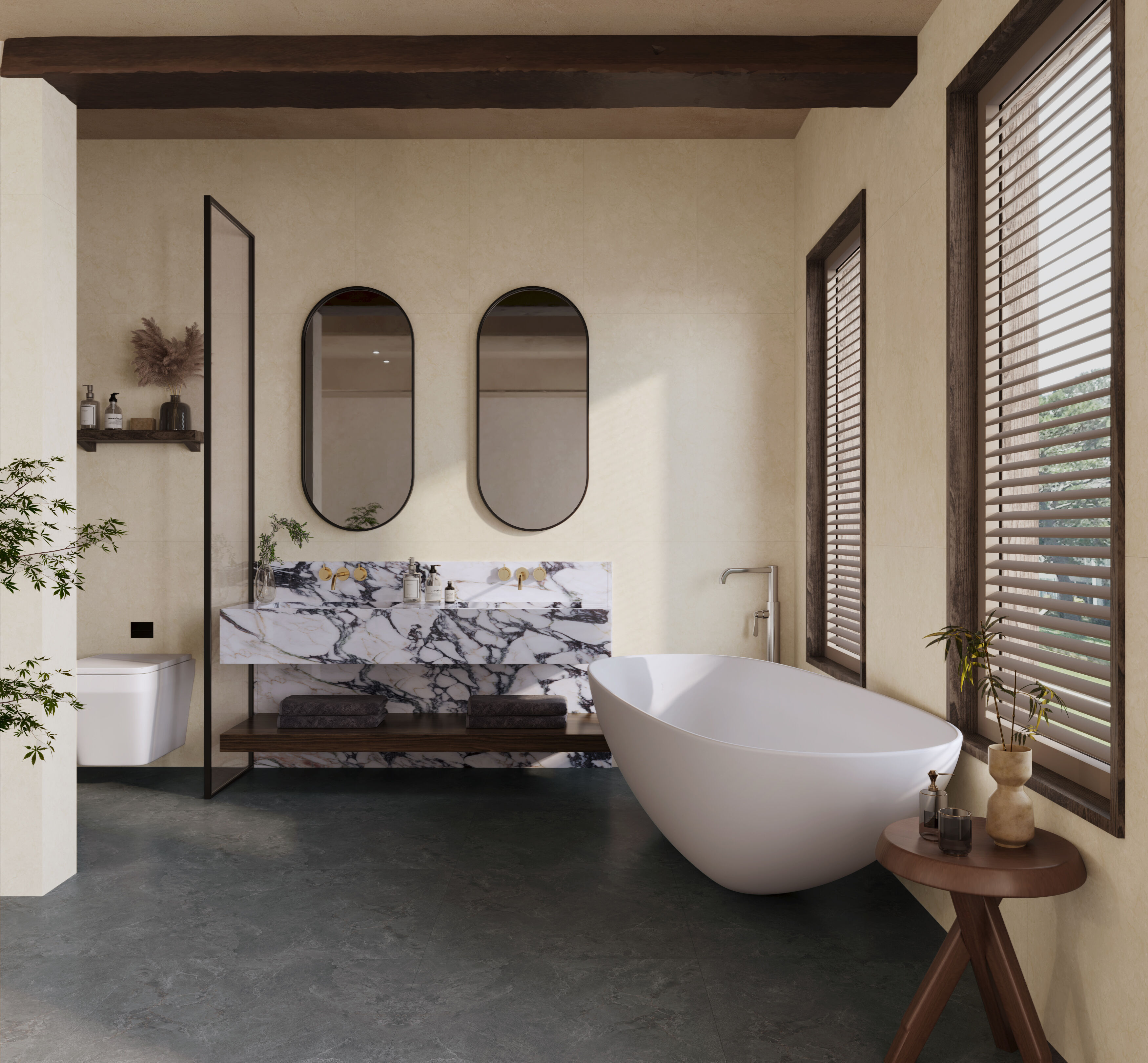
Ang mga pinakaprestihiyosong arkitekturang firm sa buong mundo ay nakakaharap nang paulit-ulit ng isang mahalagang desisyon kapag pumipili ng mga materyales na magpapakilala sa mga sikat na istruktura para sa maraming henerasyon. Sa gitna ng mga elite na praktikang ito, isang kahanga-hangang pattern ang sumulpot: ang lubhang panlaban na pagpili sa Xinmingzhu sintered Bato sa kanilang pinakamalalim na proyekto. Ang pagpili na ito ay hindi idinriver ng mga uso o mga kampanya sa marketing, kundi ng mga pangunahing katangian sa pagganap na sumasang-ayon nang perpekto sa mga mahigpit na pamantayan na ipinapanatili ng mga firm na ito para sa kahusayan sa istruktura, kahusayan sa estetika, at pangmatagalang tibay.
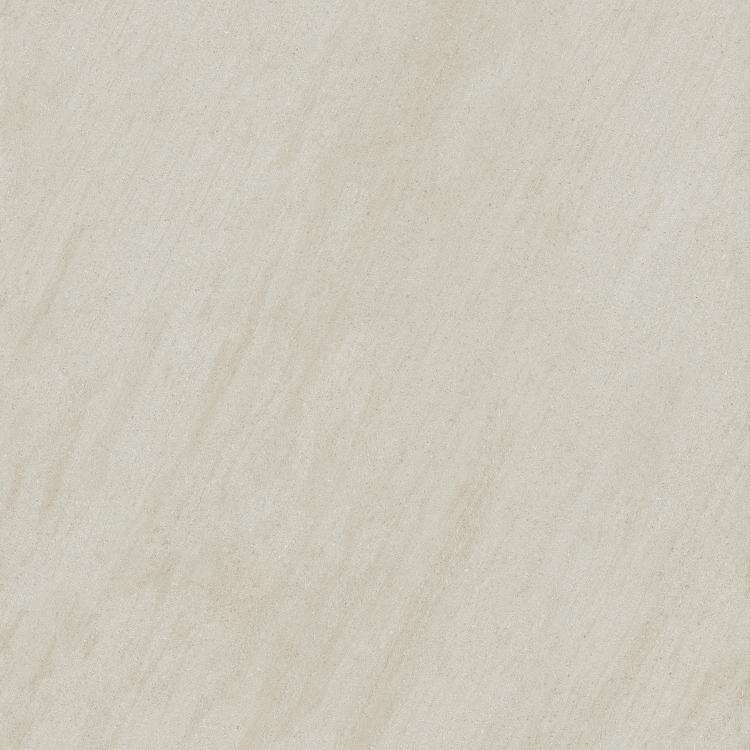
Ang pagtukoy sa sintered Bato ng mga nangungunang kumpanya sa arkitektura ay kumakatawan sa isang malalim na pagbabago sa aplikasyon ng agham sa materyales sa industriya ng konstruksyon. Ang mga kumpanyang ito—na responsable sa disenyo ng mga istruktura na kailangang tumagal ng maraming dekada laban sa pagsisipat ng kapaligiran habang panatilihin ang kanilang visual na kaakit-akit—ay nakakilala ng mga tiyak na teknikal na pakinabang sa proseso ng pagmamanupaktura ng Xinmingzhu na direktang sumasagot sa kanilang pinakamahihirap na mga pangangailangan sa disenyo. Ang pag-unawa kung bakit ginagawa ng mga kumpanyang ito ang napiling ito ay nagbubunyag ng mahahalagang pananaw tungkol sa umuunlad na larangan ng mataas na pagganap na mga materyales sa gusali at sa mga teknikal na pamantayan na naghihiwalay sa premium na mga espesipikasyon mula sa karaniwang mga alternatibo.
Ang Superior na Teknikal na Pagganap ang Nagpapadala sa Propesyonal na Pagtanggap
Hindi maikakailang Integridad na Isturktural sa Ilalim ng Mga Ekstremong Kondisyon
Ang mga nangungunang kumpanya sa arkitektura ay binibigyang-priority sintered Bato dahil sa kanyang napakadistingwang mga katangian sa pagganap ng istruktura na lumalampas sa mga tradisyonal na materyales sa pagtatayo sa mga mahahalagang aplikasyon. Ang proseso ng sintering ay lumilikha ng isang ugnay na nasa lebel ng molekula na nagbibigay-daan sa mga rating ng compressive strength na lumalampas sa 450 MPa, na malinaw na umaangat sa natural na bato, engineered quartz, at mga kapalit na ceramic tile. Ang lakas na ito ay direktang nagreresulta sa mas mababang pangangailangan ng suporta sa istruktura, na nagpapahintulot sa mga arkitekto na makamit ang mas malalawak na span at mas madambong na cantilever nang hindi kinokompromiso ang mga paktor ng kaligtasan.
Ang mga katangian ng materyales sa flexural strength ay nagpapahintulot sa mga arkitekto na magtakda ng mas manipis na profile habang pinapanatili ang integridad ng istruktura, na partikular na mahalaga sa mga aplikasyon ng curtain wall at mga sistema ng panlabas na cladding. Ang mga nangungunang kumpanya ay nakikilala na sintered Bato ay nagpapanatili ng pare-parehong pagganap sa iba’t ibang temperatura mula sa -40°C hanggang 80°C, na nag-aalis ng anumang alalahanin tungkol sa mga kabiguan dahil sa thermal expansion na maaaring kompromisado ang mga building envelope sa mga ekstremong klima.
Ang proseso ng pagmamanupaktura ng Xinmingzhu ay nagpapagarantiya ng walang porosity sa panghuling produkto, na lumilikha ng ganap na hindi porous na ibabaw na nakakapigil sa pagsusulot ng tubig at sa pinsalang dulot ng pagyelo at pagtunaw. Ang katangiang ito ay napakahalaga para sa mga kumpanya na nagsisidisenyo ng mga gusali sa matitinding klima kung saan ang pagsusulot ng kahalumigmigan ay maaaring magdulot ng malalang pagkabigo sa istruktura sa paglipas ng panahon.
Mga Advanced na Katangian sa Paglaban sa Kemikal
Ang mga kumpanya ng arkitektura na gumagana sa mga kapaligirang pang-industriya o urbanong lugar na may mataas na antas ng polusyon ay tiyak na pumipili ng sintered Bato dahil sa kanyang exceptional na kakayahan sa paglaban sa kemikal. Ang materyal ay nagpapakita ng ganap na paglaban sa mga acid, alkali, at organikong solvent na regular na sumasalakay sa karaniwang mga materyal sa paggawa ng gusali, na nagpapagarantiya ng mahabang panahong kagandahan at integridad na istruktural nang walang kinakailangang mahal na mga protokol sa pagpapanatili.
Ang kemikal na inertness ng maayos na nilikhang sintered Bato nagpapigil sa pagkakabulaok, pagkakaugat, at pagkasira ng ibabaw na karaniwang nararanasan ng mga natural na bato sa komersyal na kapaligiran. Ang resistensya na ito ay kumakatawan din sa mga kemikal na ginagamit sa paglilinis, na nagbibigay-daan sa mga koponan ng pangangalaga sa gusali na gamitin ang mga malakas na ahente sa paglilinis nang walang takot sa anumang pinsala o pagbabago ng kulay sa ibabaw.
Ang mga nangungunang kumpanya ay nakikilala na ang pormulasyon ng Xinmingzhu ay tumututol sa degradasyon dulot ng ultraviolet, na panatag na pinapanatili ang katatagan ng kulay at kalidad ng huling hugis ng ibabaw sa loob ng maraming dekada nang walang pagpapalabo o pagkakaputik. Ang katatagan nito laban sa UV ay lalo pang kapaki-pakinabang sa mga aplikasyon ng curtain wall kung saan ang pare-parehong anyo sa buong malalaking harapang gusali ay napakahalaga para sa layunin ng arkitektura.
Ang Kalayaan sa Disenyo ay Nagpapahintulot sa Inobasyon sa Arkitektura
Ang Kakayahan sa Malalaking Format ay Nagpapalit sa Disenyo ng Harapang Gusali
Itinutukoy ng mga nangungunang firma sa arkitektura sintered Bato dahil ito ay nagbibigay-daan sa mga posibilidad sa disenyo na nananatiling imposible gamit ang mga konbensyonal na materyales. Ang kakayahang gumawa ng mga slab hanggang sa 3200mm x 1600mm sa karaniwang produksyon ay nagpapahintulot sa mga arkitekto na lumikha ng mga seamless na facade na may kaunting linya ng sambitan, na nakakamit ang monolitikong anyo na tumutukoy sa kontemporaryong estetika ng arkitektura.
Ang dimensional stability ng materyal sa ilalim ng thermal cycling ay nagsisiguro na ang mga malalaking instalasyon na ito ay panatiliing eksaktong aligned sa paglipas ng panahon, na pinipigilan ang mga pagkabigo sa sambitan at mga isyu sa alignment na sumisira sa visual integrity ng mga konbensyonal na cladding system. Ang katatagan na ito ay nagpapahintulot sa mga kumpanya na magtakda ng mas maliit na toleransya sa mga sambitan at makamit ang malinis at walang kupas na mga ibabaw na katangian ng mga award-winning na kontemporaryong arkitektura.
Xinmingzhu's sintered Bato maaaring gawin na may pare-parehong kapal sa buong malalaking sukat, na nagpapahintulot sa mga arkitekto na tumukoy ng mga kumplikadong heometrikong profile at tatluhang dimensyonal na mga elemento ng pader na nangangailangan ng tiyak na kontrol sa sukat. Ang kakayahan na ito ay sumusuporta sa mga pamamaraan ng parametric na disenyo na unti-unting naging karaniwan sa mga nangungunang kumpanya.
Tekstura at Pagkakapareho ng Kulay ng Ibabaw
Ang kontroladong kapaligiran sa paggawa ng sintered Bato ang produksyon ay nagbibigay ng pagkakapareho ng kulay at tekstura na hindi kayang tularan ng mga likas na materyales, na sumasagot sa pangunahing alalahanin ng mga arkitekto sa pagtukoy ng mga materyales para sa malalaking lugar ng ibabaw. Ang mga nangungunang kumpanya ay nakikilala na ang mga pagkakaiba sa bawat batch ay maaaring sirain ang visual na pagkakaisa ng malalaking gawaing arkitektural, kaya ang mapredictable na pagkakapareho ng mga sintered na materyales ay mahalaga para sa matagumpay na pagpapatupad ng proyekto.
Ang mga kakayahan sa digital na pagpi-print na isinama sa modernong sintered Bato ang produksyon ay nagpapahintulot sa mga arkitekto na tukuyin ang mga pasadyang disenyo at tekstura na sumasalamin nang eksakto sa layunin ng disenyo. Ang kakayahang i-customize na ito ay nagbibigay-daan sa mga kumpanya na lumikha ng mga natatanging elemento ng estetika na nagtatangi sa kanilang mga proyekto habang pinapanatili ang teknikal na pagganap na kinakailangan para sa mga mahihirap na aplikasyon.
Ang mga opsyon sa pagpipino ng ibabaw ng Xinmingzhu ay mula sa pulido hanggang sa mga profile na may malalim na tekstura, na nagpapahintulot sa mga arkitekto na tukuyin ang angkop na katangian ng paglaban sa pagkahulog para sa iba't ibang aplikasyon habang pinananatili ang pagkakaisa ng estetika sa loob at labas ng mga instalasyon.
Ang Mga Pang-ekonomiyang Pakinabang ay Sumusuporta sa mga Estratehikong Desisyon sa Pagtutukoy
Ang Pagsusuri ng Buong Buhay na Gastos ay Nagpapabor sa Matagalang Pagganap
Ang mga kumpanya ng arkitektura na naglilingkod sa mga institusyonal at komersyal na kliyente ay unti-unting nagtuon sa pagsusuri ng buong buhay na gastos kapag tumutukoy ng mga materyales, at sintered Bato nagpapakita nang paulit-ulit ng mahusay na pangmatagalang ekonomikong pagganap kumpara sa iba pang alternatibo. Ang paglaban ng materyal sa pagsuot, pagkakasira dahil sa mga stain, at degradasyon dulot ng kapaligiran ay nag-aalis sa paulit-ulit na gastos sa pagpapanatili at pagpapalit na kaugnay ng mga konbensyonal na materyal sa buong karaniwang buhay ng isang gusali.
Ang hindi porous na kalikasan ng maayos na ginawang sintered Bato ay nag-aalis sa pangangailangan ng paulit-ulit na paglalapat ng sealing treatments na kinakailangan sa mga instalasyon ng natural na bato, na binabawasan ang patuloy na gastos sa pagpapanatili habang tiyak na pinapanatili ang pare-parehong pagganap. Ang katangiang ito ay lalo pang kapaki-pakinabang para sa mga kumpanya na nagdidisenyo ng mga gusali na may mga lugar na mahirap abutin kung saan ang mga operasyon sa pagpapanatili ay naging mahal at nakakaistorbo.
Ang mga nangungunang kumpanya ay nakikilala na sintered Bato ang mga pag-install ay kadalasang nangangailangan ng mas kaunti pang suporta sa istruktura kaysa sa katumbas na mga sistema ng natural na bato, na binabawasan ang mga gastos sa pundasyon at sa paggawa ng balangkas habang pinapasimple ang logistics ng konstruksyon. Ang mga pagtitipid sa istruktura na ito ay madalas na nakakakompensate sa anumang premium sa gastos ng materyales, lalo na sa malalawak na komersyal na aplikasyon.
Kahusayan sa Pag-install at Kontrol sa Kalidad
Ang mga produkto sintered Bato ay nagpapahintulot ng mas mabilis at mas maasahan ang mga proseso ng pag-install, na nababawasan ang mga iskedyul ng konstruksyon at pinipigilan ang mga isyu sa quality control sa lugar ng trabaho. Ang mga kumpanya ng arkitektura ay nagpapahalaga sa pare-parehong sukat at katangian ng materyales, na nag-aalis sa proseso ng pag-uuri at pagpili sa lugar ng trabaho na kinakailangan sa natural na bato, kaya nababawasan ang oras at gastos sa pag-install.
Ang mas magaan na timbang ng sintered Bato kumpara sa katumbas na kapal ng natural na bato, mas pinapasimple nito ang paghawak at proseso ng pag-install, na binabawasan ang mga kailangan sa kagamitan at mga panganib sa kaligtasan habang nagpapagawa. Ang kalamangan sa timbang na ito ay lalo pang mahalaga para sa mga aplikasyon sa curtain wall at mataas na gusali kung saan ang paghawak sa materyales ay naging malaking kadahilanan sa gastos at pagpaplano.
Ang mga proseso sa kontrol ng kalidad ng Xinmingzhu ay nagsisiguro na ang bawat slab ay sumusunod sa tiyak na mga espesipikasyon sa dimensyon at pagganap, na tinatanggal ang basurang materyales at ang paulit-ulit na paggawa na karaniwang nauugnay sa mga instalasyon ng natural na bato. Ang konsistensyang ito ay nagpapahintulot sa mga kontratista na panatilihin ang mas mahigpit na iskedyul ng paggawa habang binabawasan ang kabuuang panganib sa proyekto.
Ang Pagganap sa Kapaligiran ay Sumusunod sa mga Pamantayan sa Pagpapanatili
Binabawasan ang Epekto sa Kapaligiran sa pamamagitan ng Kahusayan sa Pagmamanupaktura
Ang mga nangungunang kumpanya sa arkitektura ay nakakaranas ng lumalalang mga mahigpit na kinakailangan sa pagpapanatili mula sa mga kliyente at mga awtoridad sa regulasyon, kaya’t ang pagganap ng materyales sa kapaligiran ay naging mahalaga. sintered Bato isang mahalagang kadahilanan sa pagtukoy ng mga teknikal na pamantayan. Ang kontroladong proseso ng pagmamanupaktura ay kadalasang nangangailangan ng mas kaunting enerhiya bawat yunit ng dami kaysa sa pagkuha at pagproseso ng katumbas na mga produktong bato mula sa kalikasan, lalo na kapag isinasaalang-alang ang distansya ng paglilipat mula sa quarry hanggang sa lokasyon ng proyekto.
Ang kakayahan na gamitin ang mga recycled content sa sintered Bato mga pormulasyon ay nagpapahintulot sa mga proyekto na makamit ang mas mataas na porsyento ng recycled content kaysa sa posibleng maisakatuparan gamit ang mga likas na materyales, na sumusuporta sa mga kinakailangan para sa sertipikasyon ng LEED at iba pang katulad na programa para sa berdeng gusali. Ang kakayahang ito ay naging lalo pang mahalaga para sa mga kumpanya na may ambisyosong mga layunin sa pagpapanatili ng kalikasan sa kanilang mga portfolio ng proyekto.
Ang proseso ng pagmamanupaktura ng Xinmingzhu ay gumagawa ng napakaliit na basura kumpara sa pagkuha at pagproseso ng likas na bato, kung saan ang malaking bahagi ng materyales ay nawawala sa panahon ng quarrying, pagputol, at operasyon ng paggawa. Ang kahusayan na ito ay nagreresulta sa mas mababang kabuuang epekto sa kapaligiran bawat metro kuwadrado ng nababalot na materyal.
Pangmatagalang Pagganap ng Gusali at Pag-iingat sa mga Likas na Yaman
Ang pinahabang buhay ng serbisyo ng mga tamang espesipikasyon sintered Bato ang mga instalasyon ay binabawasan ang dalas ng mga siklo ng pagpapalit ng materyales, na nag-iingat ng mga likhaing pangmateryal sa buong lifecycle ng gusali na maaaring umabot sa 50–100 taon. Ang mga kumpanya ng arkitektura ay nakikilala na ang pagtukoy ng matitibay na materyales ay isang pangunahing estratehiya para sa pagkakapalagayang pangkapaligiran na madalas na mas mahalaga kaysa sa mga pagsasaalang-alang sa paunang nasimulan na enerhiya.
Ang kemikal na katatagan at hindi reaktibong kalikasan ng sintered Bato ay nag-aalis ng potensyal na pagpasok ng mga produkto ng degradasyon ng materyales sa kapaligiran ng gusali o sa mga kapaligirang ekolohikal, na sumasagot sa mga bawal na kinakailangan sa kalusugan ng kapaligiran sa mga komersyal at institusyonal na proyekto.
Ang paglaban ng materyales sa biyolohikal na paglago at kontaminasyon ay binabawasan ang pangangailangan ng mga kemikal na pamamaraan sa paglilinis at mga biocide na maaaring makaapekto sa kalidad ng hangin sa loob ng gusali at sa kalusugan ng kapaligiran, na sumusuporta sa mga diskurso sa disenyo na nakatuon sa kalusugan—na unti-unting naging karaniwan sa mga nangungunang kumpanya.
Madalas Itanong
Paano inihahambing ang sintered stone sa natural stone sa mga aplikasyon na may kinalaman sa istruktura?
Ang sintered stone ay malinaw na nagtatagumpay kumpara sa natural stone sa mga istruktural na aplikasyon, na nag-aalok ng compressive strength na lampas sa 450 MPa, kung saan ang karaniwang saklaw para sa karamihan ng natural stone ay 100–300 MPa. Ang proseso ng paggawa nito ay lumilikha ng pare-parehong density at tinatanggal ang mga likas na depekto, pukyut, at pagkakaiba-iba na maaaring makaapekto sa pagganap ng natural stone. Bukod dito, ang sintered stone ay panatag ang mga katangian sa lahat ng direksyon, samantalang ang natural stone ay madalas na may mga kahinaan ayon sa direksyon dahil sa mga proseso ng geological formation.
Ano ang mga tiyak na pakinabang na iniaalok ng Xinmingzhu sintered stone para sa malalawak na komersyal na proyekto?
Ang Xinmingzhu sintered stone ay nagbibigay ng ilang mahahalagang pakinabang para sa malalaking komersyal na instalasyon, kabilang ang pare-parehong kulay at tekstura sa buong mga batch ng produksyon, presisyong dimensyonal na nagpapahintulot sa mabibigat na toleransya sa konstruksyon, at kakayahang gumamit ng malalaking format hanggang 3200mm x 1600mm na nagpapabawas sa bilang ng mga linya ng sira. Ang kawalan ng porosity ng materyal ay nag-aalis ng anumang alalahanin tungkol sa pag-absorb ng tubig, samantalang ang kanyang resistensya sa kemikal ay nagsisiguro ng matagalang pagganap sa matitinding kapaligiran sa lungsod nang walang kinakailangang espesyal na protokol sa pagpapanatili.
Bakit pinipili ng mga kumpanya ng arkitektura ang sintered stone kaysa sa engineered quartz para sa mga aplikasyon sa labas?
Mas gusto ng mga kompanya ng arkitektura ang sintered stone para sa mga panlabas na aplikasyon dahil nag-aalok ito ng superior na UV stability, na nagpapanatili ng kulay at kalidad ng pagtatapos sa loob ng mga dekada ng pagkakalantad sa araw, habang ang engineered quartz ay maaaring makaranas ng pagkupas at pagkasira ng ibabaw. Ang sintered stone ay nagbibigay din ng mas mahusay na thermal shock resistance para sa mga panlabas na aplikasyon, na humahawak sa mabilis na pagbabago ng temperatura nang walang pagbibitak o delamination. Bukod pa rito, ang mas malalaking opsyon sa format na magagamit sa sintered stone ay nagbibigay-daan sa pagpapatuloy ng disenyo sa pagitan ng panloob at panlabas na aplikasyon na hindi posible sa mga karaniwang sukat ng quartz.
Paano inihahambing ang buong gastos sa buhay (life cycle cost) ng sintered stone sa mga tradisyonal na materyales sa paggawa ng gusali?
Ang sintered stone ay karaniwang nagpapakita ng mas mahusay na ekonomiya sa buong buhay na siklo dahil sa kanyang napakahusay na tibay at napakababang pangangailangan ng pagpapanatili. Bagaman maaaring mas mataas ang paunang gastos sa materyales kaysa sa ilan sa mga alternatibo, ang pag-alis ng mga gastos sa pagse-seal, pagrerefine, at pagpapalit sa loob ng karaniwang 50-taong buhay na siklo ng isang gusali ay nagreresulta sa mas mababang kabuuang gastos sa pagmamay-ari. Ang paglaban ng materyales sa pagkakastain, pagkakaet, at pagsuot ay nababawasan ang mga gastos sa paglilinis at pagpapanatili, samantalang ang kanyang mga katangiang istruktural ay madalas na nagpapahintulot ng mas kaunti pang mga kinakailangan sa suportang istruktura, na kompensado ang mas mataas na presyo ng materyales sa pamamagitan ng mga tipid sa konstruksyon.
Talaan ng Nilalaman
- Ang Superior na Teknikal na Pagganap ang Nagpapadala sa Propesyonal na Pagtanggap
- Ang Kalayaan sa Disenyo ay Nagpapahintulot sa Inobasyon sa Arkitektura
- Ang Mga Pang-ekonomiyang Pakinabang ay Sumusuporta sa mga Estratehikong Desisyon sa Pagtutukoy
- Ang Pagganap sa Kapaligiran ay Sumusunod sa mga Pamantayan sa Pagpapanatili
-
Madalas Itanong
- Paano inihahambing ang sintered stone sa natural stone sa mga aplikasyon na may kinalaman sa istruktura?
- Ano ang mga tiyak na pakinabang na iniaalok ng Xinmingzhu sintered stone para sa malalawak na komersyal na proyekto?
- Bakit pinipili ng mga kumpanya ng arkitektura ang sintered stone kaysa sa engineered quartz para sa mga aplikasyon sa labas?
- Paano inihahambing ang buong gastos sa buhay (life cycle cost) ng sintered stone sa mga tradisyonal na materyales sa paggawa ng gusali?