Premium Tiles Manufacturer - Advanced Production & Sustainable Solutions

Get a Free Quote

Our representative will contact you soon.
Email
Name
Company Name
Message
0/1000

tiles manufacturer

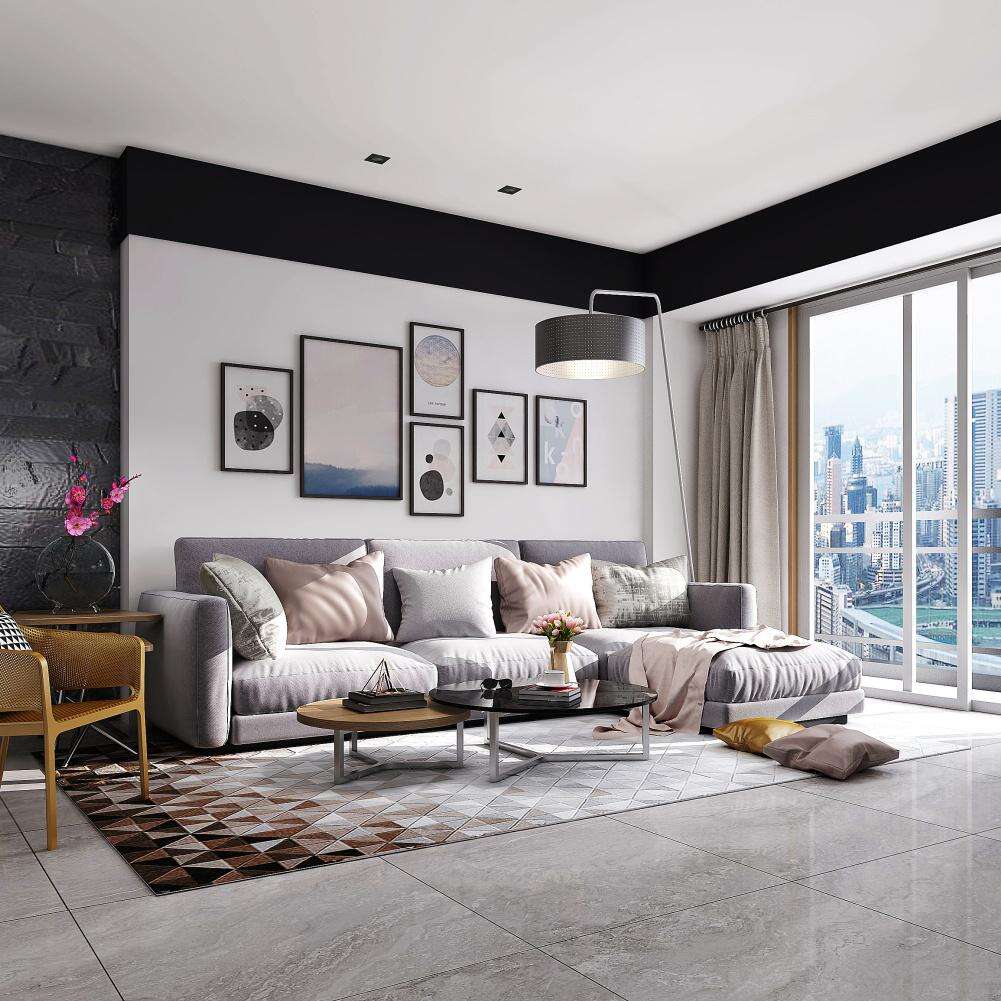
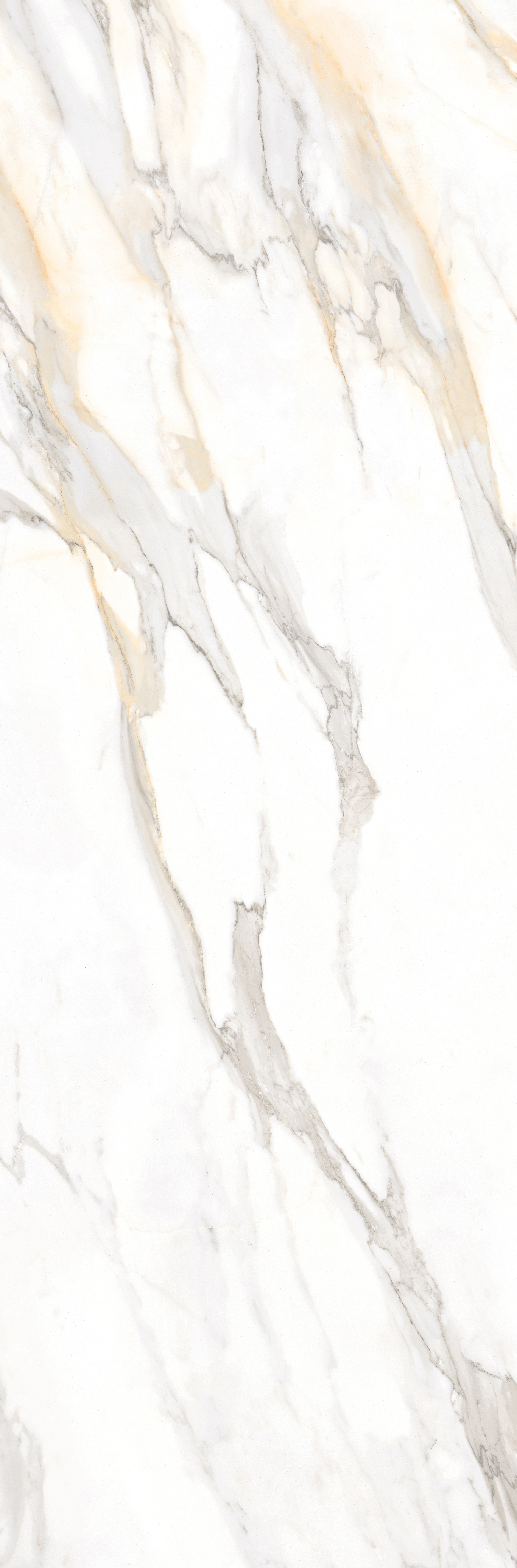
A tiles manufacturer represents the cornerstone of modern construction and interior design industries, serving as a specialized production facility that transforms raw materials into high-quality ceramic, porcelain, stone, and composite tiles. These sophisticated manufacturing operations combine traditional craftsmanship with cutting-edge technology to produce diverse flooring and wall covering solutions for residential, commercial, and industrial applications. The primary function of a tiles manufacturer revolves around the systematic processing of clay, minerals, and other base materials through precise mixing, shaping, firing, and finishing processes. Advanced kiln systems operate at temperatures exceeding 1200 degrees Celsius, ensuring optimal durability and strength in the final products. Modern tiles manufacturer facilities incorporate automated production lines equipped with computer-controlled pressing machines, digital printing systems, and quality inspection technologies. These technological features enable consistent product quality, intricate design patterns, and efficient mass production capabilities. The manufacturing process typically involves several critical stages including raw material preparation, body formation, glazing application, decoration, firing, sorting, and packaging. Contemporary tiles manufacturer operations utilize sophisticated color management systems, allowing for precise reproduction of natural stone patterns, wood textures, and artistic designs. Quality control laboratories within these facilities conduct rigorous testing for water absorption rates, breaking strength, thermal shock resistance, and dimensional accuracy. Environmental sustainability has become increasingly important for tiles manufacturer operations, with many facilities implementing recycling programs for production waste and energy-efficient firing systems. The applications for manufactured tiles span across numerous sectors including residential housing, commercial buildings, hospitals, schools, restaurants, and outdoor spaces. Specialized tiles manufacturer companies often focus on specific market segments such as luxury designer tiles, industrial-grade flooring, or eco-friendly sustainable options. Modern facilities can produce thousands of square meters of tiles daily, meeting the growing global demand for versatile and durable surface materials.

New Product Releases

The advantages of partnering with an established tiles manufacturer extend far beyond simple product procurement, offering customers comprehensive solutions that enhance both project outcomes and long-term value. Cost efficiency stands as a primary benefit, as direct manufacturer relationships eliminate intermediary markups while providing access to bulk pricing structures and volume discounts. A reputable tiles manufacturer maintains consistent inventory levels, ensuring reliable supply chains that prevent project delays and enable precise scheduling for construction and renovation timelines. Quality assurance represents another significant advantage, with manufacturer-direct sourcing guaranteeing authentic products that meet established industry standards and performance specifications. Professional tiles manufacturer operations implement rigorous quality control protocols throughout production, resulting in uniform dimensions, consistent color matching, and superior durability characteristics. Customization capabilities offer tremendous flexibility for unique project requirements, allowing customers to specify custom sizes, colors, textures, and finishes that align with specific design visions. Technical support services provided by tiles manufacturer experts include installation guidance, maintenance recommendations, and troubleshooting assistance that ensures optimal performance and longevity. Warranty coverage typically extends longer when purchasing directly from a tiles manufacturer, providing enhanced protection for investment value and peace of mind for property owners. Innovation access allows customers to benefit from the latest technological advancements, including stain-resistant surfaces, antimicrobial treatments, and enhanced slip-resistance features. Environmental responsibility initiatives implemented by leading tiles manufacturer companies include sustainable sourcing practices, waste reduction programs, and energy-efficient production methods that align with modern green building standards. Product variety advantages include comprehensive selections spanning multiple materials, styles, and price points under one supplier relationship, simplifying procurement processes and ensuring design consistency across projects. Speed to market benefits enable faster project completion through streamlined ordering processes, efficient logistics coordination, and priority allocation for preferred customers. Long-term partnership opportunities foster collaborative relationships that provide ongoing support, preferential pricing, and early access to new product launches that maintain competitive advantages in dynamic market conditions.

Latest News

How to Select Marble Slab for Luxury Residential Projects

22

Sep

How to Select Marble Slab for Luxury Residential Projects

The Art of Selecting Premium Marble for Upscale Homes In the realm of luxury residential design, few materials command the same level of prestige and timeless elegance as marble slab. This natural stone has graced palaces, monuments, and high-end res...
View More
How to Choose Wall Tiles for Modern Home Renovations

22

Sep

How to Choose Wall Tiles for Modern Home Renovations

Transform Your Living Space with Contemporary Wall Tile Design The art of selecting wall tiles has evolved significantly in modern home design. Today's wall tiles offer an incredible array of possibilities, from sleek minimalist options to bold artis...
View More
What Export Considerations Apply to Polished Tile Suppliers

23

Oct

What Export Considerations Apply to Polished Tile Suppliers

Essential Guidelines for International Tile Export Success The global market for polished tile suppliers continues to expand as architectural and design preferences evolve worldwide. With increasing demand for premium surfacing materials, understandi...
View More
What Makes Marble Slab Ideal for Premium Flooring Projects

05

Nov

What Makes Marble Slab Ideal for Premium Flooring Projects

The Timeless Elegance of Natural Stone Flooring When it comes to creating an atmosphere of luxury and sophistication in any space, few materials can match the inherent beauty and durability of marble slab flooring. This natural stone has graced the h...
View More

Get a Free Quote

Our representative will contact you soon.
Email
Name
Company Name
Message
0/1000

tiles manufacturer

Advanced Digital Printing Technology

Advanced Digital Printing Technology

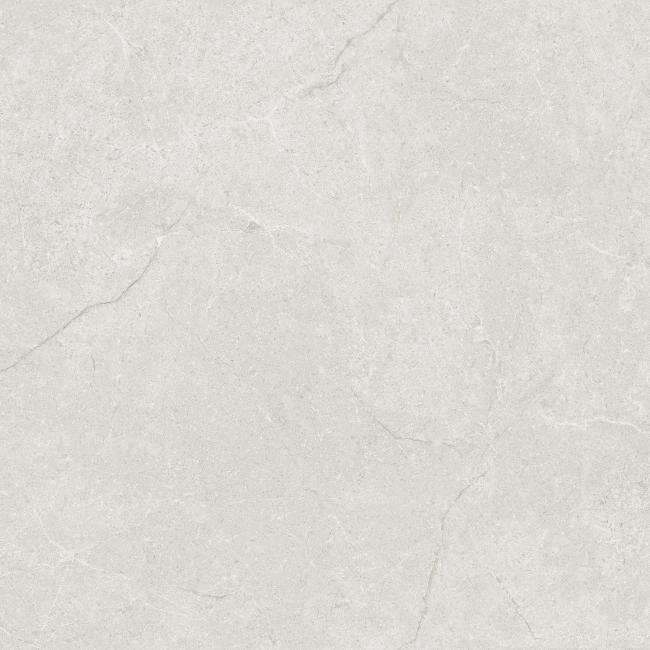
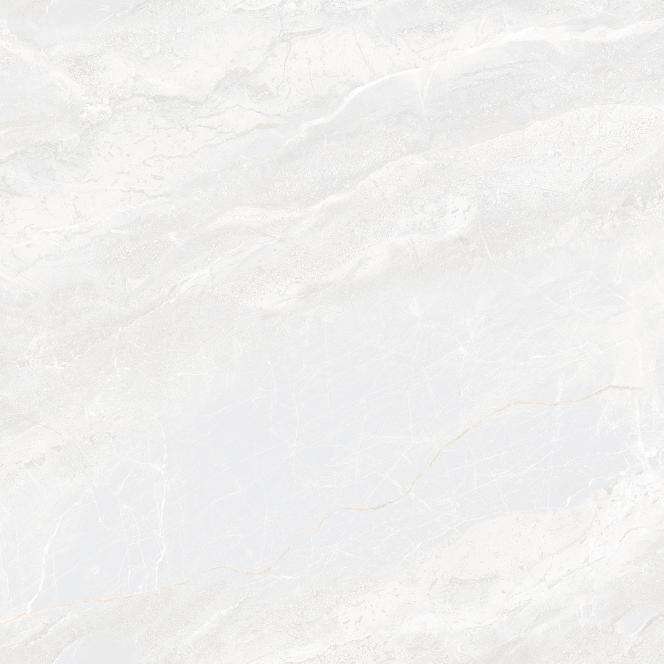
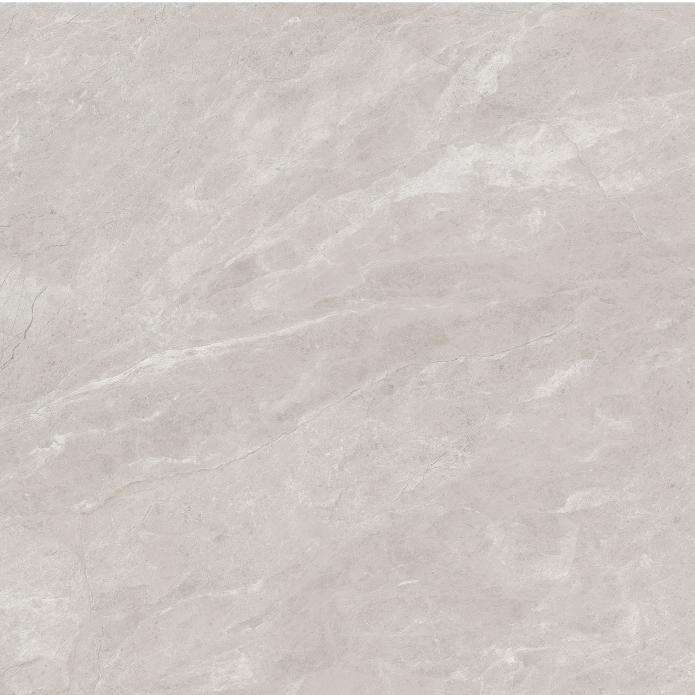
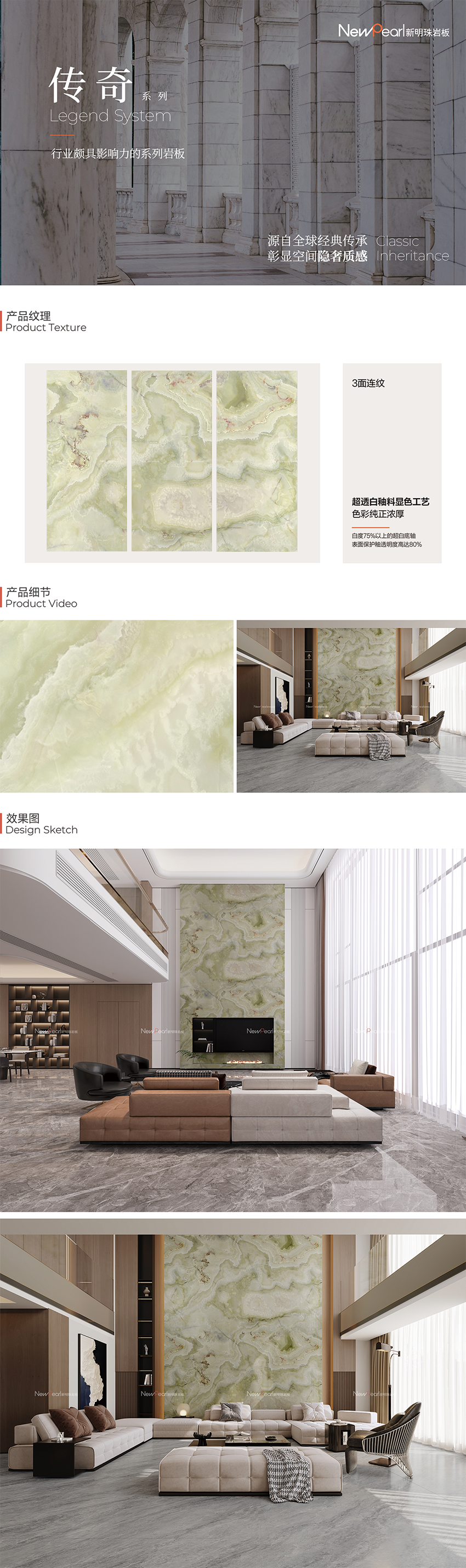
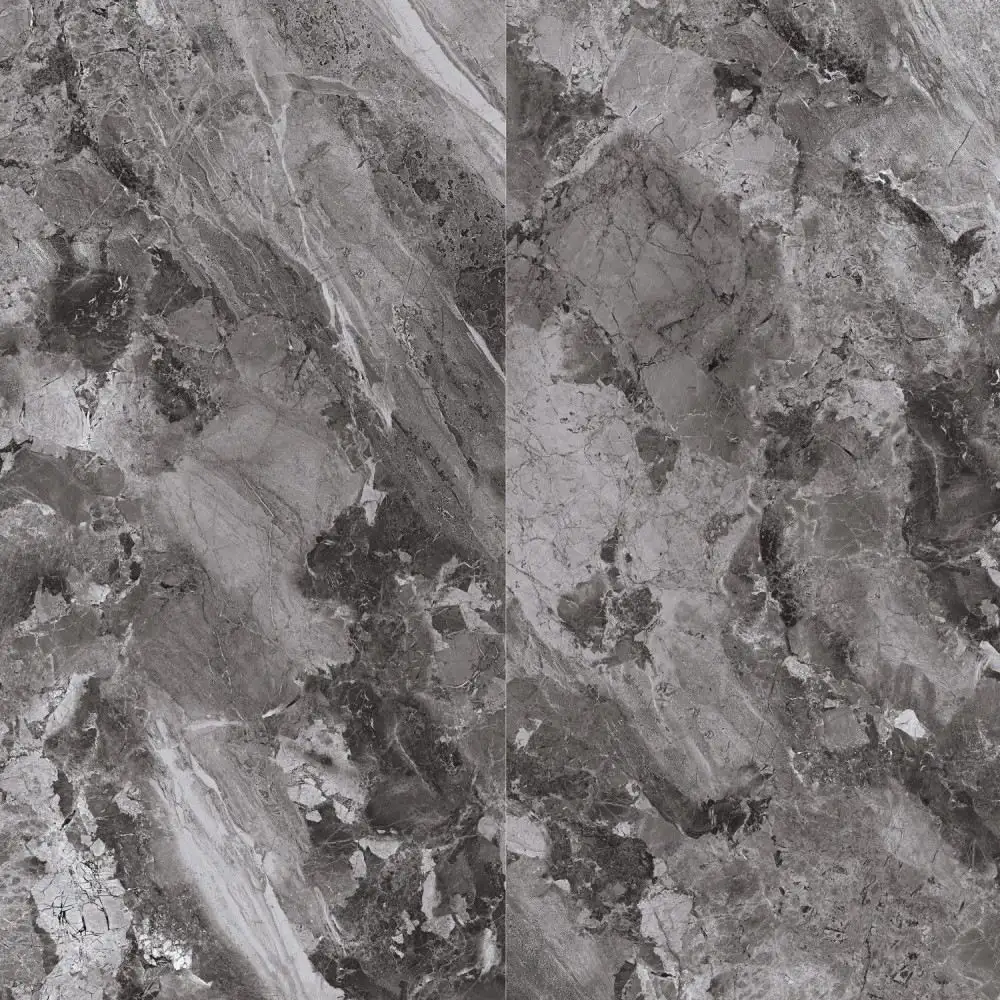
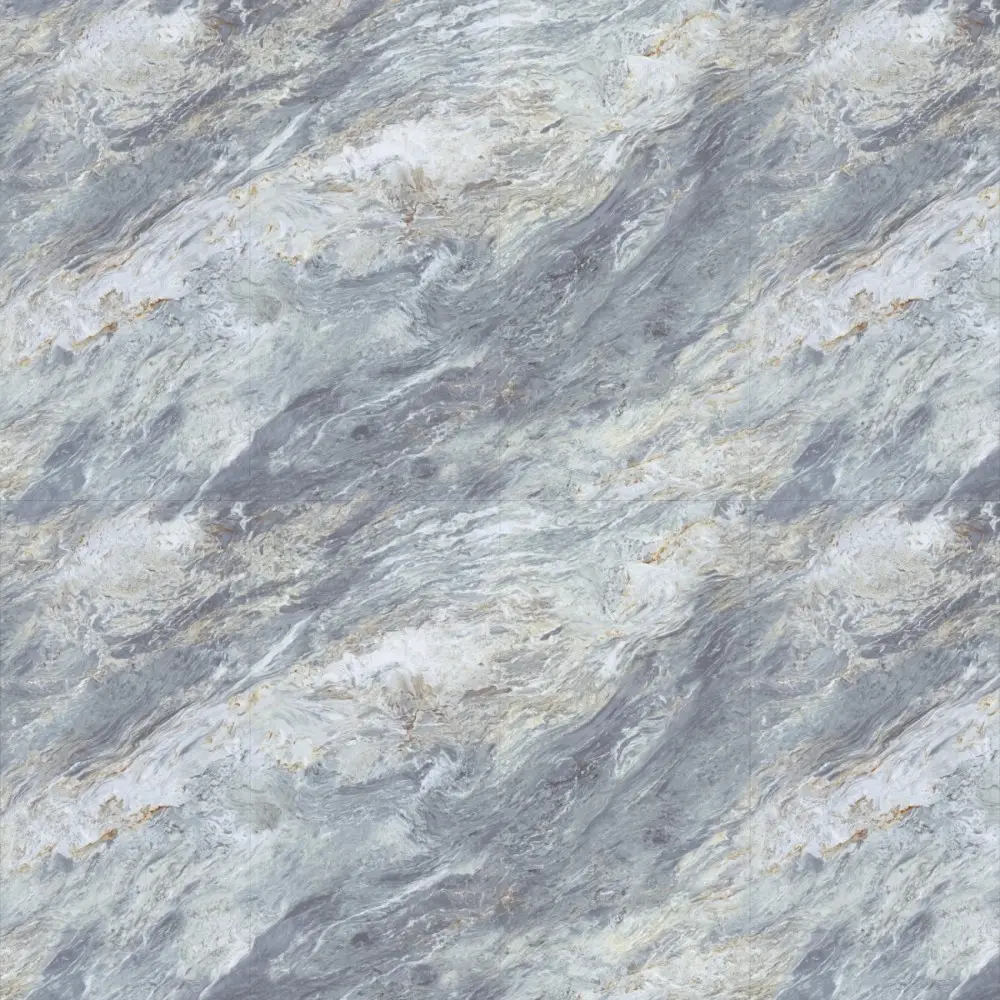
Leading tiles manufacturer companies have revolutionized surface design through sophisticated digital printing technologies that deliver unprecedented levels of detail and authenticity in tile patterns and textures. These state-of-the-art printing systems utilize high-resolution inkjet technology capable of reproducing intricate natural stone veining, realistic wood grain patterns, and complex artistic designs with photographic precision. The digital printing process employed by modern tiles manufacturer facilities involves multiple ink layers applied through precisely controlled nozzles, creating depth and dimensional effects that closely mimic natural materials. This technology enables tiles manufacturer operations to produce consistent pattern repetition while maintaining natural randomization, ensuring that installed surfaces appear genuinely authentic rather than artificially repetitive. Color accuracy achieved through advanced digital printing systems allows tiles manufacturer companies to match specific design requirements and maintain consistency across large installations. The flexibility of digital printing technology empowers tiles manufacturer facilities to respond quickly to market trends and customer preferences, enabling rapid development of new designs without the lengthy lead times associated with traditional manufacturing methods. Quality control integration within digital printing systems includes real-time monitoring and automatic adjustment capabilities that maintain consistent output quality throughout production runs. Environmental benefits of digital printing technology include reduced waste generation compared to traditional screen printing methods, as well as more efficient ink usage and lower energy consumption. The precision capabilities of modern digital printing systems enable tiles manufacturer companies to create seamless pattern flows across multiple tile formats, supporting contemporary design trends toward large-format installations and continuous surface aesthetics. Cost-effectiveness advantages include reduced setup times, elimination of screen production costs, and the ability to produce small quantity runs economically, making custom designs accessible to a broader range of customers. Innovation in digital printing continues to drive tiles manufacturer capabilities forward, with developments in three-dimensional effects, tactile surface textures, and specialty ink formulations that enhance both visual appeal and functional performance characteristics.
Comprehensive Quality Assurance Systems

Comprehensive Quality Assurance Systems

A professional tiles manufacturer implements comprehensive quality assurance systems that encompass every aspect of production from raw material inspection through final packaging, ensuring consistent excellence that exceeds industry standards and customer expectations. These systematic quality control protocols begin with rigorous incoming material testing, where laboratory technicians analyze clay composition, mineral content, and chemical properties to verify compliance with established specifications. Throughout the manufacturing process, quality assurance teams conduct regular sampling and testing at critical control points, monitoring parameters such as moisture content, pressing pressure, firing temperatures, and cooling rates. Advanced testing equipment utilized by tiles manufacturer facilities includes digital thickness gauges, water absorption testers, breaking strength analyzers, and thermal expansion measurement systems that provide precise quantitative data for quality evaluation. Statistical process control methodologies enable tiles manufacturer operations to identify trends and variations before they impact product quality, supporting proactive adjustments that maintain consistent output characteristics. Dimensional accuracy verification ensures that finished tiles meet tight tolerance requirements essential for proper installation and aesthetic alignment, with automated sorting systems separating products based on precise measurement criteria. Surface quality inspection procedures include visual examination for color consistency, pattern alignment, glaze uniformity, and surface defects, with trained quality inspectors applying standardized evaluation criteria. Durability testing protocols simulate real-world conditions through accelerated aging tests, thermal cycling, chemical resistance evaluation, and abrasion resistance measurement to verify long-term performance capabilities. Packaging quality controls protect finished products during transportation and storage, with moisture monitoring, cushioning adequacy, and labeling accuracy verification ensuring products arrive in perfect condition. Documentation systems maintain complete traceability records linking specific production batches to test results, enabling rapid identification and resolution of any quality issues that may arise. Continuous improvement initiatives drive ongoing enhancement of quality assurance procedures, incorporating customer feedback, industry best practices, and technological advancements to maintain leadership in product excellence. Certification compliance demonstrates tiles manufacturer commitment to recognized quality standards, with third-party audits and certifications providing independent verification of quality management system effectiveness.
Sustainable Manufacturing Practices

Sustainable Manufacturing Practices

Environmental sustainability has become a defining characteristic of responsible tiles manufacturer operations, with comprehensive programs addressing resource conservation, waste reduction, and ecological impact minimization throughout the production cycle. Energy efficiency initiatives implemented by forward-thinking tiles manufacturer companies include advanced kiln designs that optimize fuel consumption, heat recovery systems that capture and reuse waste thermal energy, and renewable energy integration through solar panels and wind power systems. Water conservation programs encompass closed-loop recycling systems that treat and reuse process water, reducing fresh water consumption by up to seventy percent compared to traditional manufacturing methods. Waste management strategies employed by environmentally conscious tiles manufacturer facilities include comprehensive recycling programs for production scraps, defective products, and packaging materials, with unfired clay waste typically reintroduced into the production stream. Raw material sourcing policies prioritize suppliers who demonstrate sustainable extraction practices, supporting responsible mining operations and promoting ecosystem preservation in quarry regions. Air quality management systems include advanced filtration equipment, emission monitoring technologies, and dust collection systems that exceed regulatory requirements and minimize environmental impact on surrounding communities. Green product development initiatives focus on creating tiles with enhanced environmental performance characteristics, including higher recycled content, lower embodied energy, and improved indoor air quality contributions through reduced volatile organic compound emissions. Life cycle assessment methodologies enable tiles manufacturer companies to quantify environmental impacts across all production stages, supporting data-driven decisions for continuous improvement and sustainability goal achievement. Carbon footprint reduction programs target multiple emission sources including transportation optimization, energy efficiency improvements, and supply chain consolidation to minimize greenhouse gas contributions. Certification achievements such as LEED compliance, GREENGUARD validation, and ISO 14001 environmental management system certification demonstrate tiles manufacturer commitment to measurable sustainability performance. Community engagement activities include environmental education programs, local conservation support, and transparency reporting that builds trust and accountability with stakeholders. Innovation investments in sustainable technologies continue to drive tiles manufacturer industry evolution, with research and development efforts focused on alternative energy sources, bio-based materials, and circular economy principles that transform waste streams into valuable resources.

Get a Free Quote

Our representative will contact you soon.
Email
Name
Company Name
Message
0/1000