EN
EN

The Timeless Appeal of Ceramic Tiles in Modern Spaces
In the ever-evolving world of interior design, ceramic tile stands as a testament to the perfect fusion of functionality and aesthetics. For centuries, this versatile material has graced the floors and walls of homes, transforming ordinary spaces into extraordinary showcases of style. Today's ceramic tile offerings combine ancient craftsmanship with cutting-edge technology, providing homeowners and designers with an unparalleled range of design possibilities.
From sleek metropolitan apartments to rustic country homes, ceramic tile adapts seamlessly to any environment, making it a go-to choice for discerning designers and homeowners alike. Its remarkable versatility extends beyond mere appearance, encompassing practical benefits that have secured its position as a leading material in interior design.
Design Versatility and Aesthetic Range
Pattern and Color Options
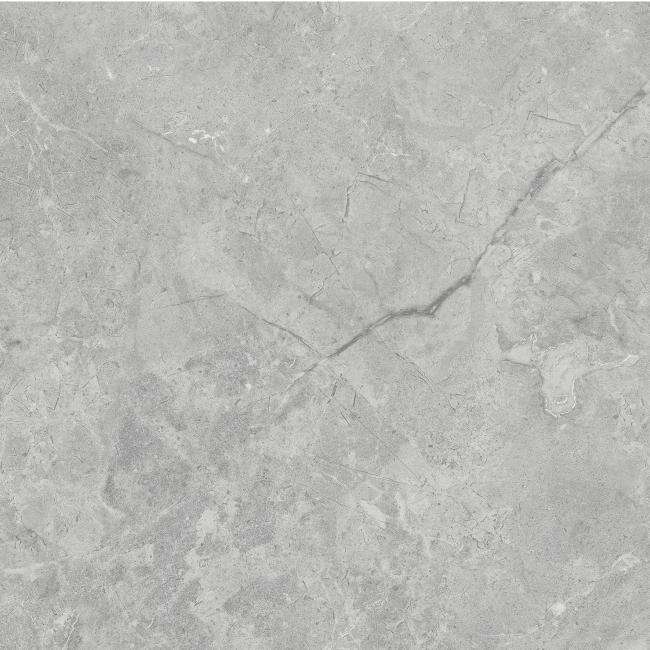
The design possibilities with ceramic tile are virtually limitless. Today's manufacturing techniques allow for the creation of tiles that can mimic natural materials with astounding accuracy - from the rich grains of exotic hardwoods to the subtle veining of luxury marble. Digital printing technology has revolutionized the industry, enabling the production of ceramic tiles with intricate patterns, photorealistic images, and complex geometric designs.
Color options range from subtle neutrals to bold, vibrant hues, allowing designers to create everything from serene, monochromatic spaces to dramatic, eye-catching installations. The ability to mix and match different colors and patterns opens up endless possibilities for creating unique, personalized designs that perfectly reflect the desired ambiance of any space.
Size and Shape Variations
Modern ceramic tile comes in an extensive array of sizes and shapes, from tiny mosaic pieces to large-format slabs. Traditional square tiles remain popular, but designers now have access to rectangular planks, hexagons, triangles, and even custom shapes. This variety allows for creative installation patterns like herringbone, basketweave, or intricate geometric arrangements.
Large-format ceramic tiles have gained significant popularity in contemporary design, offering the ability to create seamless, expansive surfaces with minimal grout lines. These larger pieces can make spaces appear more open and sophisticated, while smaller formats can add texture and visual interest to specific areas.
Practical Benefits and Applications
Durability and Maintenance
One of the most compelling attributes of ceramic tile is its exceptional durability. When properly installed, ceramic tile can withstand decades of heavy foot traffic without showing significant wear. It's resistant to scratches, stains, and fading, making it an ideal choice for high-traffic areas like entryways, kitchens, and commercial spaces.
Maintenance requirements are remarkably straightforward. Regular cleaning with basic household products is typically sufficient to keep ceramic tile looking pristine. Unlike many other flooring materials, it doesn't require special treatments, waxing, or periodic refinishing, saving both time and money over the long term.
Environmental Performance
Modern ceramic tile contributes significantly to sustainable design practices. Many manufacturers now produce tiles using recycled materials and environmentally conscious methods. The material's natural composition and long lifespan reduce its environmental impact, while its thermal properties can contribute to better energy efficiency in buildings.
Additionally, ceramic tile's resistance to moisture and humidity makes it an excellent choice for areas prone to water exposure. It doesn't harbor allergens, mold, or bacteria, contributing to better indoor air quality and a healthier living environment.
Installation Flexibility and Design Applications
Creative Layout Possibilities
The versatility of ceramic tile extends to its installation possibilities. The same tile can create dramatically different effects depending on its layout pattern. Traditional grid patterns offer clean, organized looks, while diagonal installations can make spaces appear larger. Mixing different sizes and shapes of ceramic tile allows for the creation of unique focal points and design features.
Designers often use ceramic tile to define zones within open-plan spaces or create visual pathways through rooms. The ability to transition seamlessly from floors to walls enables the creation of cohesive design schemes that flow throughout an entire space.
Multi-Surface Applications
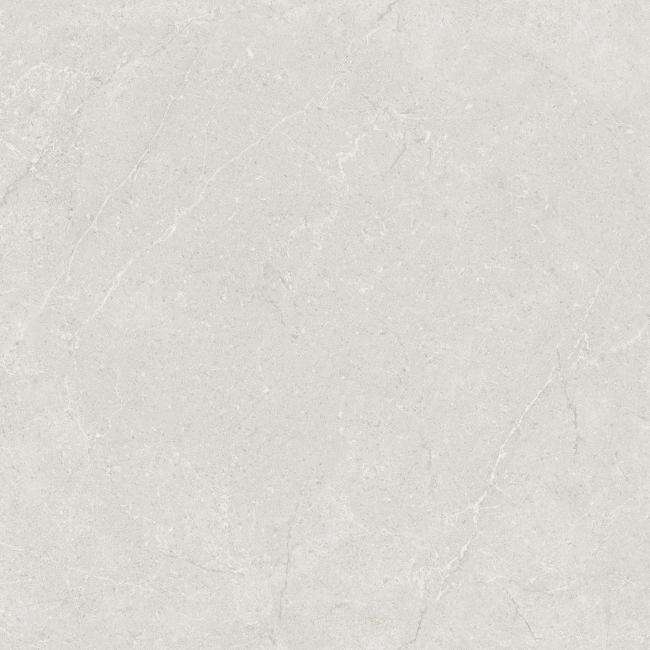
Ceramic tile's versatility shines in its ability to be used on multiple surfaces. From floors and walls to countertops and bathroom surfaces, it provides consistent design aesthetic across different applications. This versatility allows for the creation of coordinated looks that maintain visual harmony while meeting the specific performance requirements of each area.
In wet areas like bathrooms and kitchens, ceramic tile offers the perfect combination of style and functionality. Its water-resistant properties make it ideal for shower walls, backsplashes, and other moisture-prone areas, while its design flexibility ensures these practical spaces don't compromise on aesthetics.
Frequently Asked Questions
How long can ceramic tile last when properly maintained?
With proper installation and regular maintenance, ceramic tile can last 50 years or more. Many historic buildings feature original ceramic tile installations that have maintained their beauty and functionality for over a century, demonstrating the material's exceptional longevity.
Can ceramic tile be installed over existing flooring?
In many cases, ceramic tile can be installed over existing flooring, provided the subfloor is stable, level, and in good condition. However, it's essential to consult with a professional installer who can assess the specific situation and recommend the best installation method.
What makes ceramic tile eco-friendly?
Ceramic tile is considered eco-friendly due to its natural composition, long lifespan, and recyclability. Many manufacturers now use recycled materials in production and implement sustainable manufacturing processes. The material's durability means less frequent replacement, reducing waste and resource consumption over time.